Archive for category Film
film review: The Hurt Locker
Posted by Amy Steele in Film on July 10, 2009
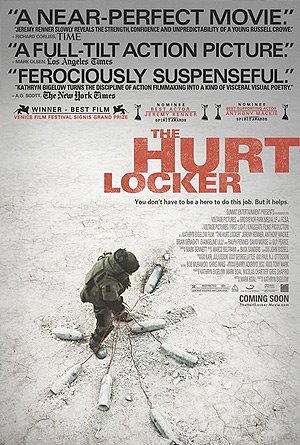
The opening scene of The Hurt Locker is a creepy version of Wall-E. A robot whisks out through dusty silence scanning back and force looking for something. Iraqis hang out of windows looking on. Children stand along the streets. Snipers hide on rooftops. Suddenly it finds what it is looking for and the men of Bravo Company know that there’s some sort of bomb out there that that needs to be disarmed and fast. It’s time to suit up and get out there.
The Army’s Explosive Ordnance Disposal [EOD] squad has 38 days left of their tour to search for roadside bombs on the streets of Baghdad. Staff Sergeant William James [Jeremy Renner– Dahmer, The Assassination of Jesse James] has recently taken over leadership of the team. He’s a renegade with a blatant and happy disregard for military protocol and basic safety measures. Sergeant J.T. Sanborn [Anthony Mackie– Half Nelson, We are Marshall] plays by the rules while Specialist Owen Eldridge [Brian Geraghty– We are Marshall, Jarhead] is the newbie on this counter force team. It’s a high pressure job that allows for no mistakes and requires extreme calmness. Improvised Explosive Devices [IEDs] account for more than half of American hostile deaths. The Hurt Locker is a gritty, frenetic film packed to the brim with terror-filled moments.
Told he should put on a heavy Kevlar suit to disarm one bomb, Sgt. James [Renner] says: “If I’m gonna die, I’m gonna die comfortable.’’ He proceeds to disarm the bomb without the protective gear to the amazement of his crew who think he’s a cowboy. Is he fearless or gutsy, rowdy or reckless? Or is this all he knows and how he is most comfortable? The blood pours off in puddles after a particularly tense mission when he showers in full uniform. At home [where he is clearly dissatisfied], James keeps a box of remnants from disarmed bombs under his bed (his own Hurt Locker) while a bomb itself is obviously a Hurt Locker and the war could be a Hurt Locker. There’s no politics involved. It is all about this company and its job: to locate and disable bombs. Renner is a revelation in this break out role. His eyes are the windows into the risks and rewards of his job. The Hurt Locker is written by Mark Boal [In the Valley of Elah] who spent months embedded with troops in Iraq.
There is so much death and destruction, blood and devastation, that you cannot help but think about the reasons behind the violence. The Hurt Locker takes place in 2004 during the Gulf War but the emotions that one feels while watching the film transcend the setting and the war. Director Kathryn Bigelow [Point Break, Strange Days] has made her career directing male-centric, action films. The Hurt Locker succeeds with Bigelow adding elements of grace, empathy and serenity to the demeanor of each character. Within the chaos and danger of The Hurt Locker lies bravery and reasoning. The Hurt Locker is without a doubt one of the most potent films you will see this year.
STEELE SAYS: SEE IT IN THE THEATRE
<!–
document.write(' ‘);
‘);
//–>
Share this:

STEELE INTERVIEWS: Robert Kenner [FOOD Inc.]
Posted by Amy Steele in Film, Interview on June 20, 2009

Do you know where your food really comes from? Food Inc. director Robert Kenner wants you to know. He sets out across America to find the answers. He interviews Eric Schlosser, the author of Fast Food Nation and The Omnivore’s Dilemma author Michael Pollan. Food Inc. will open your eyes and mind, may break your heart, and will definitely churn your stomach at least once or twice.
According to Food Inc., Americans want food bigger, faster, fatter, and cheaper. Why not? Americans like big things: look at gas-guzzling SUVs on the roads; the popularity of venti iced lattes; and extra large portions of food. The average American eats 200 lbs. of meat a year. [Gross] Americans like fast things: everyone is constantly on a cell phone; IMing; Twittering; no one wants to wait in line; everything is now, now, now. And fatter? According to the CDC, 34% of adults and 17% of children [ages 6-17] are obese. One in three people born after 2000 will develop early onset diabetes. And of course everyone is looking for things that are cheaper. Organic lettuce is $4.00/head and a can of peas is $1.00? What are you going to buy?
There are 47,000 products available in a modern American supermarket. The image supermarkets use to sell food is of the farming industry or “Agrarian American” with messages of “farm fresh” or images of farms, cows, pastures, picket fences. When most of the eggs, milk, cheese, and meat sold in a supermarket are mass produced factory-style. In the film, Carole Morrison, Perdue “chicken farm” owner says: “This isn’t farming. This is just mass-production like an assembly line.” The average chicken farmer makes $18,000 a year, yet invests over $500,000. The food industry has become corporate run and not about the consumer.
The FDA and USDA have less control than before due to the influence of a few mega-corporations that run everything. In 2006, the FDA conducted only 9,164 food safety inspections. Companies place “profit ahead of consumer health.” Food is overly processed. Animals are corn fed. Farm-raised fish (salmon, tilapia, and tuna) are fed corn. The food we eat is not that healthy. There’s engineering of food. There’s less regulation. Some food may contain pesticides, hormones, or other synthetic additives that no one should be ingesting. Bacteria easily get into food products and inspection processes have become lapse. More often there are incidences of food-borne illnesses in the news.
E. coli and Salmonella outbreaks have become frequent in the U.S. In 2007, there were 73, 000 people sickened by E. coli. In the film is a devastating story of Barbara Kowalcyk’s son who died of an E. coli infection 12 days after eating hamburgers. The FDA recalled the meat 16 days after his death. She is now a food safety advocate.
As a vegetarian and someone who mostly shops at Whole Foods, watching this film was rather painful for me. I recognize that everyone has a choice even though I think meat is gross and vile. Watch those chickens being killed and immediately go out and eat some chicken and come back and leave a comment. The truth of the matter is though, how much do you want to and can you in actuality pay for food? The process to get organic food to be reasonably priced is going to take a long time. I often have to shop at three stores to get everything I need and, more importantly, can afford. When the cost of food is raised, people give up savings or spending on healthcare or education. [I also suggest you take the time to watch the stellar documentary King Corn]
Food Inc. is not an attack on farmers but on the loss of consumer rights and an expose on the big business model that has been bringing down food industry for decades. Sure, it is mostly one-sided. Kenner claims he had no “agenda” or preconceived notion going into the filming of this documentary but I don’t believe it. The message is clear: eat organic. Do see Food Inc. You may cringe a bit but the message is vital to the health of our nation.
I sat down to talk to Food Inc. director Robert Kenner earlier in the week.
Amy Steele [AS]: So what kind of audience are you looking to attract with this film?
Robert Kenner [RK]: I didn’t make this for the convinced. I’m not looking to preach to the choir. I’m really hoping to broaden the circle. I didn’t start out to make a film with a preconceived point of view. I really just wanted to do an examination of our food system. And I just thought it thought it would be interesting to talk to all sorts of different people who are involved unfortunately most of the ag [agriculture] industry did not want to talk to me, did not want us to know where our food is grown and what’s in it and that was for me the shock.
When I go to Sacramento to a hearing about cloned animals and that industry representative said, “I think it’s against the consumer’s interest to label this because it would only confuse them.” That gave me goose bumps. I’m thinking, “Wait a second. If you have a good product, aren’t you supposed to advertise it? Not try to hide it? Whether it’s GMOs [genetically modified organism] or RBSTs [growth hormones to get cows to produce more milk] for dairy cattle or Trans fats, the industry will go to great lengths to stop you from getting the information about what is in your food. Consumers have power to change what they are getting but we’re being denied the information. If we want to have a free market and freedom to choose things, it should be based on information. So I realize this is a film that goes beyond food. Ultimately this low cost food is costing way too much money.
AS: How do you get the people who will benefit most from seeing the film to see the film?
RK: First of all, all of us will benefit. The problem is we’re subsidizing food with food that is making us sick. Therefore there’s inexpensive food we can buy but we pay for it on a bunch of levels. We’re paying for it with our tax dollars to subsidize it. We’re paying for it with our healthcare dollars as well and it’s going to be a fortune. So even though the food is cheap when you go to the check out counter, it’s really very expensive.
AS: Apples can be $1 an apple.
RK: If we stop subsidizing unhealthy food it will help bring down the cost of good food and it will save us in health care. Here’s a fact for you. [writer’s note: I cannot find Kenner’s date of birth so I cannot do any “fact checking” here] When I was a kid, food cost us about 18% of our paychecks; today it cost us about 9%. Healthcare cost us about 5% and today it cost us about 18%. In aggregate, our costs have gone up and I think there’s a real direct relationship between healthcare and food. So we really have to fix the system and I thought the tobacco analogy was a good one. There are a few powerful corporations with unbelievable amounts of money, totally connected to government, who are putting out misleading information about the safety of these products. I think when we start to understand what this food does to us we’re going to change the system. So I’m very optimistic. It is going to change even though we’re up against incredibly powerful forces. The consumers are also more powerful than they are. And that was one of the empowering things that you learned. You get to vote three times a day. But we also have to vote with our dollars to make it an even playing field. So how to we get the food to Baldwin Park and places like that in the movie. That’s the challenge but I think that’s also with our votes. I think we have to create a fair system.
AS: So. The patented genes with Monsanto. Can you explain that a bit more? Are they the only company that makes soy beans?
RK: Monsanto is amazing. They’re a company that practiced radiation on animals in the 40s and 50s. They invented Agent Orange in the 60s and 70s and now they’re the ones who provide us our food. They are looking to own seeds that they can use their chemicals on. They are looking for ways of selling fertilizer.
AS: But there are people who do soybeans without their seeds?
RK: Very few.
AS: [thinking. great the majority of the protein in my diet. Good thing I love quinoa]
RK: And they’re putting people out of business who don’t use theirs and that’s the problem. They’ve gained control. They own our food. This is all about anti-trust. How could this go on in our country? I’m so amazed.
AS: Even when you went to that organic market and that guy was pointing out that Kashii is owned by Kellogg and…
RK: It’s all a consolidated system. A lot of people feed into it but there’s a bottle neck because there are very few corporations that control it.
AS: So even with the USDA and FDA, they’ve lost control and the corporations have more control of the food industry?
RK: Well there’s that woman whose son died of eating a hamburger. The horrible part was the meat that they knew had killed her son stayed on the shelf for 16 days after he died because the USDA did not have the power to recall that meat. I didn’t know that.
AS: I actually took a class in infectious diseases and it was interesting. Every week the professor had new articles and new things going on with food-borne illnesses when we discussed them.
RK: It’s constant. You think with science it should have gotten but it’s getting worse and that’s the scary part but I’m optimistic and I do believe that we’re going to change. I do believe that food safety laws are going to be one of the first things to change. The FDA will be able to gain control to be able to recall but the USDA recalls meat. The laws are so byzantine and none of them have power but it looks like it’s changing.
AS: How can the average consumer make the changes and get her voice heard?
RK: First of all, shop at Farmer’s Markets whenever possible. Try to buy organic whenever possible. Try to buy local. But when you go to the supermarket, read labels. All those weird words for corn and soy, they are there to make us sick. Ask questions. Let people know we care. It’s going to change things. If you start asking question, start making changes, it’s going to affect that system. It’ll bring the cost down. As we increase the demand for this, it’ll improve the distribution systems.
AS: What are the biggest issues affecting the food industry?
RK: Well for me it was connecting the dots. The food system’s become industrialized. Corn and soy has become subsidized. The corn and soy is making us sick. One in three Americans is going to get diabetes and it’s going to bankrupt healthcare. We’re not allowed to know what’s in our food. Upton Sinclair in The Jungle wrote about a system that is broken and we kept improving the system but then it got worse and worse again. We use illegal immigrants. Think about a society using people who have no rights grow and process their food. There’s something wrong with that. Not only do we treat the animals badly, we treat the workers badly, and we treat the earth just as badly. And we the consumers are treated badly. So it’s broken.
AS: Why should people care about this film?
RK: Because we eat this stuff everyday. We should know what’s in the food. We’re not telling you what to eat but we’re telling you that you should have the right to know what you eat.
<!–
document.write('‘);
//–>
Share this:

film review: The Proposal
Posted by Amy Steele in Film on June 19, 2009
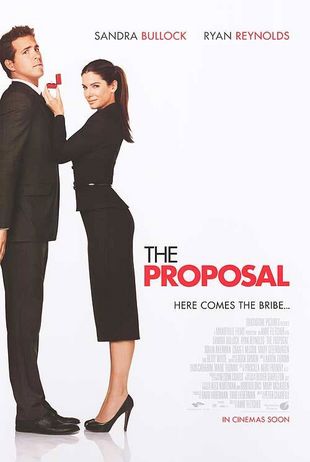
The Proposal is a packaged, sexist unromantic, unfunny, unoriginal film. Once again, a romantic comedy takes a stereotypical view of the successful woman: single and bitchy—as Margaret [Sandra Bullock] comes into the office, instant messages get sent around: “It’s here!” or “The witch is on her broom.” These ice queen roles are so predictable. When the woman thaws out due to the man’s charms, she figures out that she likes the guy right in front of her after all.
Margaret [Bullock] is an editor at a publishing company and Andrew [Ryan Reynolds] is her beleaguered assistant. Somehow she’s let her work visa expire. She’ll lose her job and be deported [all the way back to Canada] until she announces that she and Andrew are getting married. As a trade off, he wants to be an editor and wants his manuscript published. Off to Sitka, Alaska the duo go for the 90th birthday party of Andrew’s granny [scene-stealing Betty White].
Ridiculous moments: Margaret cannot swim; Andrew’s father is still mad at him for not working with the family businesses; the pair literally run into each other in the nude; Margaret admits to being a Rob Base fan [they start dueting “It Takes Two”]; and Margaret softens when she interacts with Andrew’s mother [Mary Steenburgen] and grandmother.
I like Sandra Bullock and it’s such a disappointment that she even took this role. Her last romantic comedy was seven years ago with Hugh Grant in the dismal, equally unamusing Two Weeks Notice which had a similar office-set premise. Roles that suit her much better are those in films such as 28 Days and The Lake House. It’s too late to pull off the Hepburn/Tracy thing. Zooey Deschanel and Joseph Gordon-Levitt have that vibe going for them in July’s 500 Days of Summer.
Reynolds and Bullock start off with an amusingly caustic give and take and good chemistry but it fizzles out quickly as the script quickly falters. The screenwriter threads together an implausible story with silly jokes. Director Anne Fletcher [27 Dresses] clearly does not care about engaging the audience because these characters remain two-dimensional. The Proposal is a lazy retread of every other romantic comedy you have ever seen before.
STEELE SAYS: SKIP IT!
ps. stunning views of “Alaska” right? [shot mostly in and around Gloucester, Mass.]
<!–
document.write('‘);
//–>
Share this:

Indie Films Vs. The Box Office
Posted by Amy Steele in Film on June 8, 2009
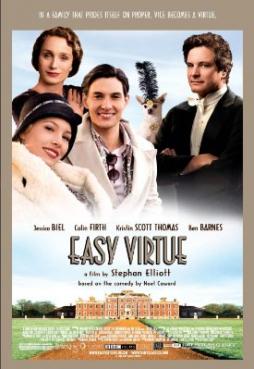
Although I’m not raving about the film My Life in Ruins this week, in general I usually see independent films. The stories are more compelling and the characters more realistic/quirky/unusual. There’s more depth and perhaps care that goes into an independent film. You are most likely not going to see a re-make of a TV show, a 1970s or 80s movie, or a sequel. It will be low budget and therefore everyone is invested in the project from the key grips to the caterers to the makeup artists to the screenwriter to the director to the actors.
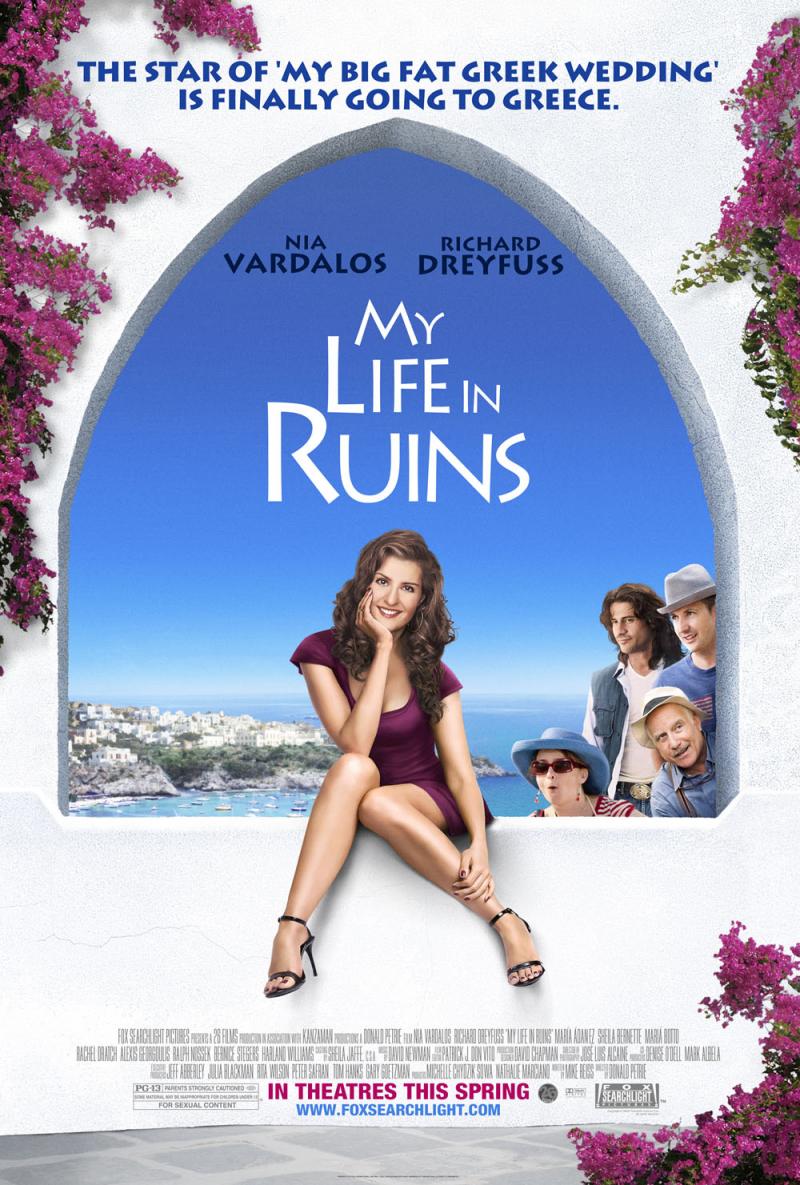
I vehemently support independent film. I am a member and proud supporter of The Coolidge Corner Theatre in Brookline, Mass. I’m sorry some films do not get the chance to be screened in more theaters. Looking at the mixed reviews of My Life in Ruins and the number of screens it is showing on throughout the country, I do not think it will last that long. Although Transformers and Public Enemies do not open until near July 4th weekend, it’s the summer season [the season of mindless BLOCKBUSTERS] and if a film doesn’t hit that $100 million mark pretty fast, it’s out and on to the next one. I hope that is not the case. It’s very sad that a film does not have an adequate chance to earn an audience via word of mouth at the box office.
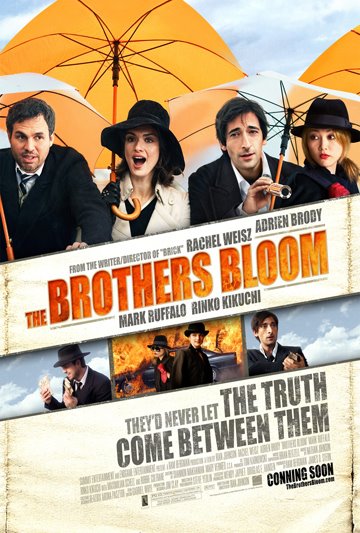
Sure I will go see The Hangover in the next few days [I’ve had a crush on Bradley Cooper since Alias] but I’ve already seen The Brothers Bloom, and Easy Virtue. I have yet to see Star Trek and Angels and Demons. [I thoroughly enjoyed the escapist Drag Me to Hell though]
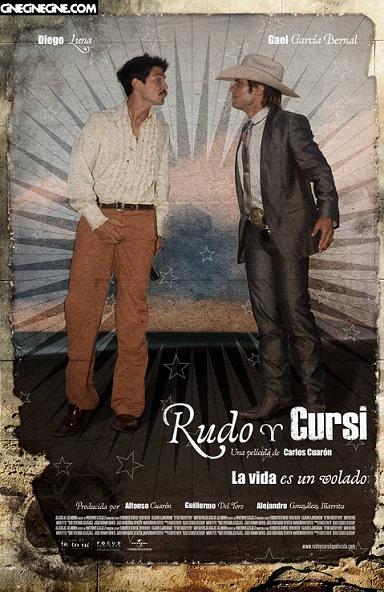 My inclination is to see the independent film before I see the major release. Rudy y Cursi, The Girlfriend Experience and Away We Go are on my to-do list. It’s just my style and my preference. Indie usually means greater quality to me [Brokeback Mountain anyone? I took my mom to see it at Coolidge Corner Theatre on Christmas Day. I had already seen it once on opening day.] Of course in these economic times, shelling out $10 for a movie better be worth it so you have to analyze whether a movie is theatre-worthy or netflix material.
I’m lucky that in Boston, besides The Coolidge Corner Theatre, I have The Landmark Kendall/Embassy Theatres as well as W. Newton and Somerville which show indie films on a regular basis. The Brattle Theatre, Harvard Film Archives, and MFA Film (also a member there) run retrospectives and show classics, cult films, and indies.
As the huge conglomerate chain theaters [AMC, Regal, Showcase] take over and movies are being shown on three or four screens at half-hour intervals, if you want to see independent films in your city or town you need to:
ASK your local theaters to show the films you want.
When you see and like an independent film, tell friends. Call, email, twitter, use facebook, blog. Spread the word! Word of mouth is how a small film like Slumdog Millionaire made millions and ending up winning an Academy Award [besides also being an outstanding film].
Talk to the theater managers and explain to them that while The Hangover is really funny and Bradley Cooper is super cute, Easy Virtue might be a charming little film to balance it out. Doesn’t the theatre want more diversity in its selection of films? [No, it really just wants to make tons of money.]
Get all your friends to bombard the theater with phone calls demanding that a certain independent film that is coming out be shown at the theater or you will take a nice road trip to another town to see said film.
Join your local independent theater. You will get discounts, invitations to special events, and can feel great about keeping independent film alive and going.
Keep an eye out at local universities, museums, and libraries for showings of independent films.
If all this fails, boycott the theater and join Netflix. It has a decent selection of indies.
<!–
document.write('‘);
//–>
Share this:

film review: My Life in Ruins
Posted by Amy Steele in Film on June 4, 2009

The magnificent cliffs overlooking the cerulean Aegean Sea create a romantic and inviting atmosphere. It seems the idyllic place to recharge. In My Life in Ruins, that is what American professor Georgia (a radiant Nia Vardalos) intended when she moved to Greece to teach at Athens University. Instead, she lost her job and subsequently her kefi or “mojo.”
Georgia works at a rag tag tour agency. As she’s an academic, Georgia’s tours have turned into walking academic lectures instead of fun forays to buy crappy souvenirs, eat ice cream, go to the beach and drink. Apparently that is what these tourists want to do. Of course, this begets the question, why vacation in a historically rich destination like Greece? Why not just sit on an island drinking a cocktail?

Predictably, Georgia’s latest tour group is a collection of touristy yahoos: loudmouthed Americans in baseball hats and sneakers [an utterly foolish Rachel Dratch and Harland Williams]; beer-guzzling obnoxious Aussies [Natalie O’Donnell and Simon Gleeson]; stuffy Brits [Caroline Goodall and Ian Oglivy] and their moody teenager [Sophie Stuckey]; and the one decent guy, a well-meaning widower named Irv [Richard Dreyfuss].
Georgia rolls her eyes and trudges onto her bus and launches into auto tour guide mode. Her bus driver is obviously instant make-over material: a hairy and intimidating Greek given the unfortunate juvenile name “Poupi” Kakas (Alexis Georgoulis). Ha ha. [Competing with all those male-dominated films out there, have to get some potty humor in.] Naturally, he’s a diamond in the rough. Poupi swoons at Georgia, is sensitive and a “good listener.” Just how soon until he reveals how cute he his underneath that unibomber look?

Irv pulls Georgia aside for some How Stella Got Her Groove Back advice. She is what 40 after all and single. This is the moment when one wonders who wrote this screenplay anyway. Mike Reiss. A man. And not just any man but the guy responsible for The Simpsons Movie. Really? Nia Vardalos, you must be able to find better material than this. I’ve seen you in Connie and Carla and you can act. You are very funny in non-Greek roles.
The uptight/overworked/stressed woman realizes that she’s been taking herself way too seriously and lightens up. My Life in Ruins unfolds pretty similarly to Under the Tuscan Moon. Georgia literally lets down her hair and allows her inner beauty to shine through.
My Life in Ruins proves to be somewhat fun only because Vardalos is enchanting in this role and illuminates the screen. Only through the captivating spirit of Vardalos, can we believe that Georgia really does find that new outlook on her life, and an optimism, and centered spirit that will take her to the next phase in her life. Unfortunately, My Life in Ruins is too cliche, though a sweet charmer with lovely views of Greece, and a few endearing moments.
STEELE SAYS: MAKE IT A MATINEE OR SAVE IT FOR THE NETFLIX QUEUE
<!–
document.write('‘);
//–>
Share this:

film review: Easy Virtue
Posted by Amy Steele in Film on May 29, 2009

Easy Virtue is a biting British comedy from start to finish. It is sharp-witted, sassy, unpredictable, humorous and tinged with bitterness, sadness and regret. Everything one might expect from the British.
“It’s a dark melodrama,” explained director/ co-writer (with Sheridan Jobbins) Stephan Elliott [The Adventures of Priscilla, Queen of the Desert] by phone from London. “[The play] was so vicious and cruel to English. [It was] the second play for [Noel] Coward and in his biographies we found some misgivings he had and within that found license to go with it.”
It is the late 1920s and John Whittaker [Ben Barnes] surprises his family by marrying a glamorous, platinum blonde American motorcar racer from Detroit named Larita [Jessica Biel]. This is much to the horror of his proper British family. While it appears that everything is perfect at the country estate, it really isn’t. The mother, Mrs. Whittaker [Kristin Scott Thomas] is uptight and overbearing and the father, Mr. Whittaker [Colin Firth] spends the majority of his time “fixing” a motorcycle that may never work. John most likely married the free-spirited Larita [Biel] on a lark in an act of rebellion. She’s independent, easy- going, athletic, charming, and smart. The complete opposite of his mother. Suddenly it is the elder Mrs. Whittaker vs. the new Mrs. Whittaker.
“It’s a culture clash and collision of women of different eras,” said Elliott. “Great Depression. Veronica Lake. Screwball element. Likeable yet screwball.”
Larita is a city girl. John is a country boy. The sooner the two realize this, the better. Mrs. Whittaker says: “Have you had as many lovers as they say?” Larita: “No. Hardly any of them loved me.”
Firth is scruffy, downtrodden and sad. It’s not the typical role for him. He’s not the usual brooding guy. “Colin is laconic,” Elliot explains. “His character is a dead-man walking. “He’s stopped fixing himself a long time ago. He’s really the arc of the film. Larita brings him back to life.”
Biel steps out of the pretty girl role to play a woman with greater depth and character. She’s truly impressive and memorable. A pure delight to watch. If you liked her in The Illusionist, you will like her even more in Easy Virtue. “Jessica was the big surprise, the big revelation,” Elliot agreed. “Something fresh and different. We didn’t expect it.”
And after seeing Kristin Scott Thomas in the heartbreakingly poignant I’ve Loved You So Long, she must have relished her role as an eccentric, overprotective mother-in-law. [“We were chasing Kristin and Colin for years. We wouldn’t deliver something they had done.]
I don’t want to give too much away but it’s a divine war of words and gestures. “This is a very subversive, naughty piece of work,” Elliot concluded. “You have expectations and you go into the film and have those expectations crushed majorly and you can go on that ride.”
Easy Virtue is the must-see indie of the summer. It does not disappoint.
STEELE SAYS: SEE IT IN THE THEATRE
<!–
document.write('‘);
//–>
Share this:

film review: Management
Posted by Amy Steele in DVD, Film, TV on May 15, 2009
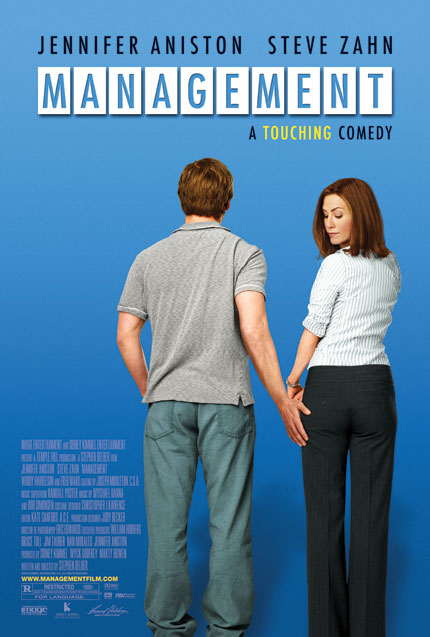
You’re incredibly sweet. Beneath the part of you that’s not.
Mike to Sue.
Mike [Steve Zahn] is the manager of his family’s motel and Sue [Jennifer Aniston] checks in while on a business trip. Mike nearly startles Sue by showing up at her door bearing a bottle of wine, “compliments of management,” which he proceeds to share. The next night he arrives with champagne. Confused with his aggressive tactics, Sue asks if his “game” ever works. He admits not that often. Sue asks: “What would be a success?” The seemingly mis-matched pair hook-up in the laundry room, and Mike develops an obsession for the eco-conscious, driven professional. Although Sue has accomplished many things, she remains insecure. Mike barely knows her and immediately notices that she takes care of everybody but herself. Impulsively, he jumps on a plane to Maryland and shows up at Sue’s office. She’s flattered but really only wants stability which ex-boyfriend Jango [a frightening Woody Harrelson], a wealthy yoga expert and dog breeder, offers. Sue moves to Aberdeen, Wash. to be with him. Upon hearing this, Mike follows her there. Mike is one uber-geeky, yet myopically determined dude. When Sue tells him that she’s truly back together with Jango, Mike settles in Aberdeen and waits Say Anything-style. He’s not really sure he can compete with Jango but finds himself so attracted to Sue that he will do almost anything to win her over.

Management is an off-beat, darker romantic comedy. The film has touching moments, awkward moments, and comical moments.
Whenever Aniston dyes her hair brown [Office Space, Friends with Money], she’s going for a more serious, darker comedic performance. It is never a bad thing. She often performs much better in these introspective roles instead of in some lighter, mostly forgettable roles [Marley and Me, He’s Just Not That Into You]. Zahn excels at the humble, sweet guy roles. He’s the best friend/boyfriend that every girl wants but doesn’t yet know she wants. He slips into these roles so effortlessly too. He’s simultaneously funny and charming. Management actually brought tears to my eyes at times. Who doesn’t want that kind of unconditional love and nearly blind commitment from someone?
Grade: B+
<!–
document.write('‘);
//–>
Share this:

IFFBoston Day Five: That Evening Sun
Posted by Amy Steele in Film on May 1, 2009

Abner: You even walk like it.
Lonzo: What?
Abner: White trash. It amuses me.
In That Evening Sun, Abner Meecham [Hal Holbrook] takes off from an assisted-living facility and returns to his Tennessee farm. Once there, he finds that his son has leased it to a man he has never liked, Lonzo Choat [Ray McKinnon]. Abner sets up in the caretaker’s cottage out back and schemes how to get Lonzo and his family to move out. Meanwhile, convinced the farm now belongs to him, Lonzo seethes with resentment at Abner’s return. An ominous air fills each scene as two generations battle it out over land rights. Verbal threats soon escalate to more violent, bitter acts. Directed by Scott Teems, That Evening Sun focuses on an elderly man who has no intention to become a pushover. He is that stereotypical grumpy old man. He’s a widower and seems very bitter except when we see him dreaming about his wife [played in warm, artful dream sequences by Holbrook’s real life spouse Dixie Carter]. Choat is an awful, drunk red neck loser who cannot pay the rent. But in reality, this could be the result of the economy and be a very real and painful situation. Does the audience emphasize with him? Not easily when he beats his daughter and treats his wife like dirt. That Evening Sun reflects today’s economic time: the strains to find work; to keep a family together and to stay sane. The film unfolds like an evening in the South: slow and sprawling.
Grade: B
<!–
document.write('‘);
//–>
Share this:

Day Four IFFBoston [part two]: We Live in Public
Posted by Amy Steele in Film on April 29, 2009
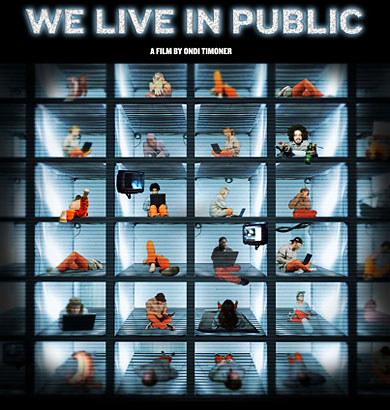
We Live in Public starts with a bang. The images and information hurdle at you just like on the Internet. It is fast-paced, frenetic and jumpy. This provides that fleeting feeling that one idea does not last very long as people lose interest very easily. Tastes change. Fads change. Markets change. Popularity rises and falls. Inexplicably so in many cases. As soon as one idea is popular (MySpace), then people have already moved on to the next great cool site (Facebook), and then to the newest and coolest (Twitter). But all these “cool” online sites are watching you in their own secret, unique ways which may be benign but may not be. At this time, we really do not know. We Live in Public provides us with a cautionary tale of what can happen when an individual loses himself in the public domain.
Directed by Ondi Timoner [Dig!], We Live in Public focuses on an egomaniacal, loner, geeky, dot.com front-runner named Josh Harris. He always has a new idea. A new project. He started Jupiter Communications, then Prodigy which launched the chat room (especially the sex platform) and had an $80 million IPO. In 1994, at the height of the dot.com boom, Harris started pseudo.com, the first Internet television network where people could watch television while simultaneously chatting. Those working at Pseudo had free rein as to what kind of show they wanted to do. People went from “nobodies to celebs because you could set up a modem,” said Jason Calocanis. NY Magazine called Harris the “Warhol of Web TV.” In 1999, during an interview with 60 Minutes, Harris said his goal was to take CBS down. “It’s group-generated consciousness. Our dreams will be created by each other,” Harris stated.
Harris moved on to his next project and built an underground society with monitors and cameras everywhere including the showers and bathrooms and bedrooms. Nothing would be private. The ultimate Big Brother experiment. Everything could be watched. Everyone would be controlled. There was an interrogation room that people willingly entered and subjected themselves to upsetting humiliation and abuse. Harris called it Citizens of Quiet. With so many different types of people involved in this “experiment,” while it began as a big party soon enough tensions escalated and people shut down and fought and broke down. The cameras made people simultaneously uninhibited and stripped of privacy and basic rights. Eventually, the police shut the place down. After his “Quiet” experiment, he moved in with a girl he had met at Pseudo, named Tanya. Of course, they filmed everything and allowed people to comment on things by running an ongoing chat room. As the relationship disintegrates the audience merely fuels the fires and it turns violent.
Harris is an unlikeable character who takes advantage of people without any thought to their feelings or the final outcome. He comes across so selfishly and uncaring. It isn’t that he cannot relate to other people that is the problem. It is that he does not want to change at all. When he delves into the Internet, it is just unhealthy for him and he loses more than just his dignity and any sense of humanity he may have once had. He just wants his 15-minutes to stay in repeat mode for eternity but that is entirely unrealistic. Some of his decisions are so desperate and sick, misguided and wrong that you expect him to be in jail at the end of the film. We Live in Public is quite unsettling, even stomach-turning at times but is so provocative and au courant it is a must see.
Grade: A-
********
Director Ondi Timoner on We Live in Public, [Q&A after the film’s screening at IFFBoston]
“The bunker is a metaphor for life online”
“When there’s a camera, people generally give it up. There’s a power there.”
“What lengths we’ll go through to have our lives matter” [on people doing the pre-registration personality test of 300 questions to get into the bunker]
“No one who busted it [the bunker] was alive from 9/11 [to talk to].”
“Best thing as documentary filmmaker is not judge as much as possible.”
“Data I documented happens to be dark. There are beautiful aspects to the Internet.”
<!–
document.write('‘);
//–>
Share this:

STEELE INTERVIEWS: Director Jody Lambert
Posted by Amy Steele in Film, Interview on April 27, 2009
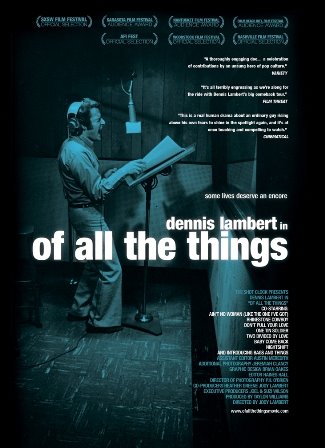
Before screening Of All the Things for IFFBoston, I sat down at The Joshua Tree bar in Davis Square with Director Jody Lambert and P.H. O’Brien, Director of Photography.
Amy Steele (AS): What did you think of what your father did as a kid and what did you think of his career later in life?
Jody Lambert (JL): When I was a kid, he was at the height of his success. He was a hitmaker. I grew up in L.A. so a lot of kids had parents doing similar things. It didn’t seem that unusual. When I was in college trying to be an actor and writer I realized how epic his career was.
AS: What were the greatest challenges and the best parts?
P.H. O’Brien (PO): I hadn’t filmed concerts before so the technical side of putting different shots together was a challenge. Especially the last concert [in Manila]. It was such a huge venue. We wanted to make it feel like a rock documentary but it is also a father and son and a band going on tour for the first time.
JL: When we got off the plane in Manila and there were reporters there. We didn’t realize the magnitude of my father’s popularity and the reality hit us. For challenges? There were language barriers and technical aspects to deal with. From venue to venue we didn’t know what to expect and how he would perform.
PO: Jody was also stage manager because there was no one else.
JL: We had 100 jobs each: making the movie; helping with the show; being the support team. It was also fun for that reason.
AS: What does your father think of the final product?
JL: He loves it. He still laughs at the same parts. He feels like he’s watching a film about someone else. He enjoys watching the story unfolding. He still gets so much joy out of re-living all this. It’s been great.
AS: Is he going to do any more touring?
JL: He played at the Viper Room in L.A., the Bluebird Café in Nashville and Joe’s Pub in New York and is being approached by people again. The movie has to go one more level of visibility. It has been successful on the festival circuit [writer’s note: Of All the Things has screened at 20 festivals]. We were chosen for AFI Project: 20/20. [writer’s note: according to AFI’s website: “AFI PROJECT: 20/20 is an American Film Institute (AFI) international initiative designed to enhance cultural exchange, understanding and collaboration through filmmakers and their films from the US and abroad. It is an unprecedented cultural diplomacy effort that is the only international filmmaker exchange supported by all of America’s cultural agencies–National Endowment for the Arts (NEA), National Endowment for the Humanities (NEH), Institute of Museum and Library Services (IMLS) — and the President’s Committee on the Arts and the Humanities.”]
JL: What my dad feels is nothing good happens when you say no but so many good things happen when you say yes. Shake yourself out of your comfort zone. He did not have to prove anything to anyone but by doing it he added a few years to his life and feels energized.
–30–
<!–
document.write('‘);
//–>
Share this:

-
You are currently browsing the archives for the Film category.
About Me

covering mostly music and books. focus on alternative/indie and women in music, literature and the arts. feminist. vegan. mostly alternative, a bit bohemian. Masters in journalism from Boston University. BA from Simmons College.



Entertainment Realm by Amy Steele is licensed under a Creative Commons Attribution-Noncommercial-No Derivative Works 3.0 United States License.
Based on a work at entertainmentrealm.comCopyright © 2009. All writing, unless otherwise noted, by Amy Steele.
 ENTERTAINMENT REALM
You must be logged in to post a comment.