Archive for category Books
book review: The Mother
Posted by Amy Steele in Books on May 14, 2016
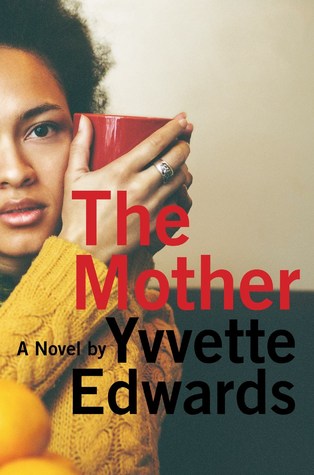
The Mother by Yvvette Edwards. Amistad| May 10, 2016| 256 pages | $21.99| ISBN: 9780062440778 |
RATING: ***/5*
“What has happened can never be undone and it is the fact that it can never be undone that means it will never be okay.”
As a trial unfolds, a London woman must focus on the details of her sixteen-year-old son’s violent murder. Barely coping and subsisting on drinks and pills, Marcia Williams learns details about her son Ryan’s death and about the accused killer, a teenager named Tyson. While attending the trial with her sister, Marcia’s husband flees the house early each day and the two barely communicate with one another. Every mother thinks she knows her child until the worst happens. Marcia discovers some surprising aspects to his life during the trial. Inevitably she scrutinizes Tyson while comparing him to her scholar-athlete son. She also compares herself and her family to Tyson’s mother and Tyson’s family. How will she come to terms with her son’s death? Will she be able to manage her own grief and salvage her marriage?
Author Yvvette Edwards thoughtfully and thoroughly examines black on black crime. She deals with race and class in London in a classic good vs. evil match-up of star athlete and student planning to attend college vs. delinquent street hustler. Whether black or white or living in a city or the suburbs or a mother or child-free, readers can relate to this family tragedy. The comparison between the two teenagers proves quite interesting. Viewing a trial from a mother’s perspective also captivating. The novel falls a bit short in lingering on Marcia’s wilting relationship with her husband rather than focusing on the murder and trial. Despite the writing, the story proved more predictable than expected. The ending did not sit well with me either. After all that stress and reflection, why did Marcia make that decision?
–review by Amy Steele
FTC Disclosure: I received this book for review from Amistad.

Share this:

book review: Heat & Light
Posted by Amy Steele in Books on May 5, 2016
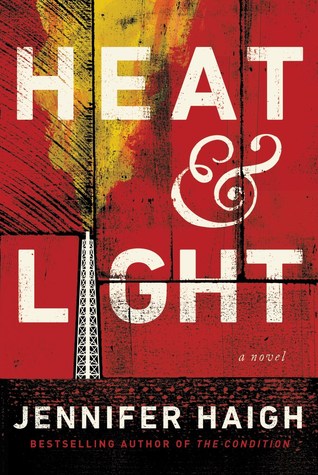
Heat & Light by Jennifer Haigh. Ecco| May 3, 2016| 488 pages | $26.99| ISBN: 9780061763298
RATING: 4.5/5*
Returning to Bakerton, Pennsylvania—the setting for the 2005 best-selling novel Baker Towers—author Jennifer Haigh again focuses on an energy source and its effects on a small community. For decades, coal fueled Bakerton and the country. In this town, multiple generations worked in the coal mines. Few left to pursue higher education or a different path. Bakerton sits on the Marcellus Shale, a huge natural gas deposit. Tapping into this natural gas source utilizes questionable techniques and could lead to possibly dangerous and deadly consequences. Haigh creatively examines fracking through nuanced, broken characters and a detailed sense of place. She vividly describes the process as well as the rough crews attracted to these high-risk, high-paying short-term gigs– mostly men who work hard and party harder. Not all that different from the coal mining days.
“Rural Pennsylvania doesn’t fascinate the world, not generally. But cyclically, periodically, its innards are of interest. Bore it, strip it, set it on fire, a burnt offering to the collective need.”
Some residents choose to lease their land while others remain wary of fracking and its side-effects. Prison guard Rich Devlin wants to run a farm while his wife Shelby believes that the water might be poisoning their daughter. Organic dairy farmers Mack and Rena remain against the drilling and refuse to lease or sell their land. Rena meets an environmental activist and becomes involved in anti-fracking issues. Influxes of out-of-state drillers disrupt and divide the town. Relationships may implode. Money changes the perspective and drive. Their lives might improve a bit. For many this seemingly easy money might resolve their struggles and allow them to expand their goals.
“The town is named for its coal mines. The prison guard is named for his father. Both feel the weight of their naming, the ancestral burden: congenital defects, secondhand hopes.”
Bakerton remains in a bit of a limbo. Alcohol, meth and religion allow people to avoid feelings and band-aid emotional wounds. At turns fascinating, sad, infuriating, provocative and authentic, Heat & Light pulls in the reader from the jump. This well-researched, impressive novel exposes many angles of fracking. In order to capture this present day dilemma, Haigh effectively dips into the past with the Three Mile Island disaster as well as coaling. The novel generously addresses an important hot-button topic with sharp prose and a stellar cast of characters as well as an intriguing story-line.
–review by Amy Steele
FTC Disclosure: I received this book for review from Putnam.
purchase at Amazon: Heat and Light: A Novel

Share this:

book review: The Rainbow Comes and Goes
Posted by Amy Steele in Books on April 29, 2016
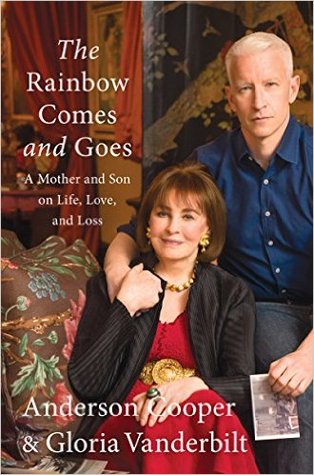
The Rainbow Comes and Goes: A Mother and Son on Life, Love, and Loss by Anderson Cooper and Gloria Vanderbilt. Harper| April 2016| 290 pages | $27.99| ISBN: 9780062454942
RATING: 3.5/5*
“I may look like my dad, but I am most definitely your son. We share the same drive and determination, the same restlessness and rage. It is good to know you’ve felt these things, too, and to see how they have both helped and hindered you.” –Anderson Cooper
If you’re reading this book to learn details about Anderson Cooper’s personal life, you will be disappointed. Cooper reveals nothing about his personal life. This epistolary memoir is an email exchange between a mother and her apparent favorite son. Both famous, both privileged, both introspective and thoughtful. Gloria Vanderbilt, now 92, loved a lot and also has a successful art and fashion career. She’s well-read—constantly quoting various authors to Anderson—and comfortable with herself and her choices and mistakes and life path.
Vanderbilt is the notorious “little girl lost.” You’ve heard of that haven’t you? Have you visited the Vanderbilt mansions in Newport, RI? I told someone I was reading this book and she didn’t know that Anderson Cooper’s mom is Gloria Vanderbilt. That’s not particularly surprising as Anderson maintains a high level of privacy. He built his own career as a television journalist. Yes, he graduated from Yale and grew up privileged in Manhattan but he’s clearly a hard worker and cares about journalism, exposing the truth and highlighting issues and telling stories that many might not focus upon.
Just because I didn’t adore this book, doesn’t mean I don’t adore Anderson Cooper. He’s a solid journalist and I listen to his show AC360 nearly every evening via podcast on TuneIn radio. In the introduction, Cooper writes: “Vanderbilt is a big name to carry, and I’ve always been glad I didn’t have to. I like being a Cooper. It’s less cumbersome, less likely to produce an awkward pause in the conversation when I’m introduced. Let’s face it, the name Vanderbilt has history, baggage.” Later in the book, Vanderbilt states: “As for you, Anderson, you have always had a fierce drive, a burning desire to make a name for yourself. For a long time I don’t think people even knew you were related to the Vanderbilt family.”
This exchange focuses mainly on Gloria Vanderbilt. Anderson Cooper wants to know some of the things that he never asked and now it might be appropriate as his mom is in her 90s. Vanderbilt discusses her childhood, revealing her difficult and tenuous relationship with her mother, who gave birth to her at 18-years-old. Vanderbilt lived with an aunt for the majority of her childhood and teenage years. But then there’s the bitter custody battle, perhaps for Vanderbilt’s money. Her mother spent much of her time traveling the globe and dating wealthy and powerful men. Like her mother, Vanderbilt married early and often and didn’t go to college.
She had four husbands [including her last, Anderson Cooper’s father Wyatt Cooper], four sons [she and Anderson do not discuss her two sons from her second marriage, except in passing] and many lovers including Frank Sinatra and Howard Hughes. She always seemed to have a man in her life and why not although I think she realizes that in her younger years it may have been better to develop independence and confidence without a man. Two months after Anderson’s father, Wyatt Cooper died, Vanderbilt was already dating ex-husband Sidney Lumet. Later in her life—I think she said at 54– she earned great success with those Gloria Vanderbilt jeans. She also held many art shows. Vanderbilt proves it’s never too late to start a career.
Apparently during the court battle there were allegations that Vanderbilt’s mom was a lesbian. Vanderbilt writes: “In 1934, being gay was considered evil. It was a crime. Gay people could be, and were, arrested, imprisoned, and institutionalized.” Bringing it back to himself as he often does in this book, Anderson responds: “When I told you I was gay, it must have brought up a lot of your feelings about your own mother. It makes sense to me now. I remember the day I finally decided to speak to you about it. I was really nervous.” Vanderbilt’s response: “I rejoice that you are gay! It is part of what makes you the person you are, and I am so glad that you have found someone who makes you happy. I wouldn’t want you any other way, even if that were possible, which it most certainly is not.”
Cooper’s definitely close with his mom. They’re extremely supportive of one another. It’s a mutual admiration society! But shouldn’t mothers and children be like this? I wouldn’t know. I’ve never had a close relationship with a parent featuring unconditional love and acceptance as Cooper and Vanderbilt. They convey admiration, empathy and respect of each other. Sometimes it seems too much. Too cloying. Too much applauding.
Cooper writes: “What is interesting to me is that you have always been able to keep going forward and at the same time have remained vulnerable. I worry that I have shut myself off to feeling, numbed myself so that I am not weighted down.” Vanderbilt responds: “You are a storyteller, and though you may wish at times that you didn’t feel pain, the fact that you continually put yourself in situations where you will, and where you can help others feel as well, speaks volumes about who and what you really are.”
Throughout the exchange, Cooper expresses empathy for his mom and her difficult childhood and poor relationship with her mother. Vanderbilt applauds Cooper. She tells him how much she admires him and loves him and thinks that he’s wonderful in so many ways. Sometimes it seems that they are quite self-centered—bringing each topic back to themselves– but this is their conversation which reveals their feelings and thoughts about past and present.
They’re quite different but also have many commonalities—particularly Carter Cooper’s suicide about 20 years ago. Also there’s money. Vanderbilt writes: “I wish I had known that the greatest gift of money is the independence it can give you. If you are lucky enough to have money, learn to hold on to it, but don’t be a miser, because it will shrivel your insides and start showing on your face in ways that will startle you.” Cooper says: “How many children of wealthy or accomplished parents have gone on to make their own mark?” Cooper apparently doesn’t have a trust fund and won’t inherit money from his mother. Both also feel they possess “the demon of rage.” Cooper says he’s fueled by rage. Vanderbilt states: “At best, I no longer agonize intensely as I did over my failings or the failing of others. I accept them. At worst, I have to admit that somewhere within still lurks a demon of rage. Age makes it impossible to put right the things that went wrong. There is little time left.”
The book has its moments. It is obvious that Cooper and Vanderbilt maintain a wonderful relationship. Take from it what you will. Every reader will find something in it that appeals to her. I’m surprised proceeds do not go to charity. At least partial proceeds. Neither needs the money.
–review by Amy Steele
FTC Disclosure: I received this book for review from Harper.

purchase at Amazon: The Rainbow Comes and Goes: A Mother and Son On Life, Love, and Loss

Share this:

Boston-area book readings of note in May
Posted by Amy Steele in Books on April 25, 2016
Jennifer Haigh, Heat & Light
Monday, May 2 at 7pm
Patricia Park, Re Jane
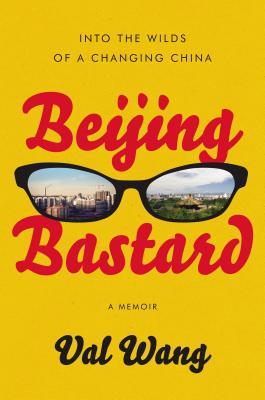
Val Wang, Beijing Bastard
Monday, May 2 at 7pm

Diane Guerrero, In the Country We Love
Brookline Booksmith
Tuesday, May 3 at 7pm
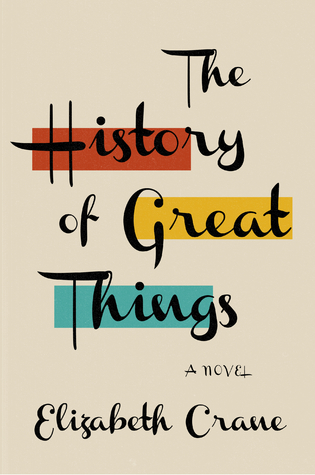
Elizabeth Crane, The History of Great Things
Porter Square Books
Wednesday, May 4 at 7pm
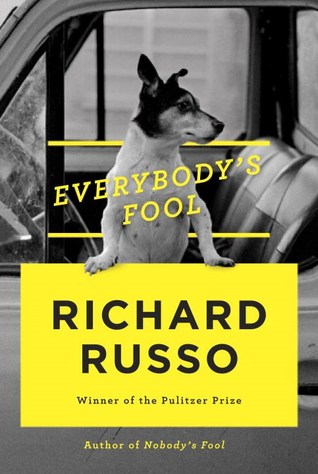
Richard Russo, Everybody’s Fool
Wednesday, May 4 at 7pm
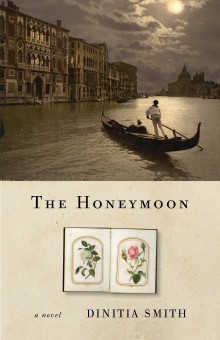
Dinitia Smith, The Honeymoon
Tuesday, May 10 at 7pm
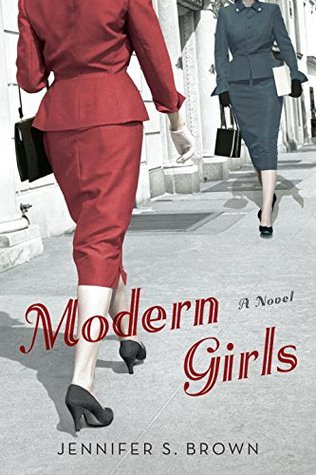
Jennifer S. Brown, Modern Girls

Lynda Cohen Loigman, The Two-Family House
Brookline Booksmith
Wednesday, May 11 at 7pm
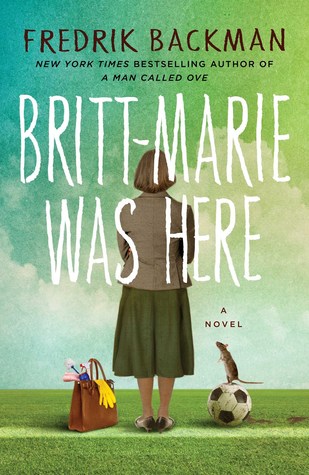
Fredrik Backman, Britt-Marie Was Here
Brookline Booksmith
Wednesday, May 18 at 7pm
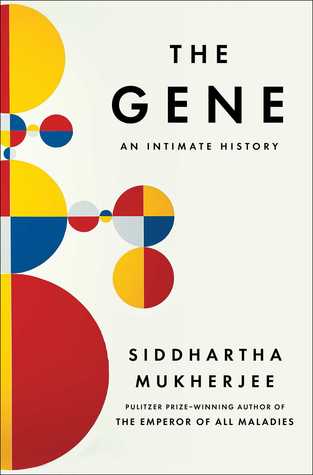
Siddhartha Mukherjee, The Gene: An Intimate History
Harvard Bookstore
At Brattle Theatre
Wednesday, May 18 at 6pm
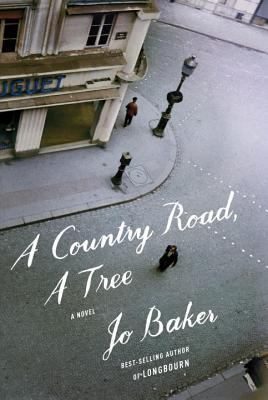
Jo Baker, A Country Road, a Tree
Brookline Booksmith
Thursday, May 19 at 7pm
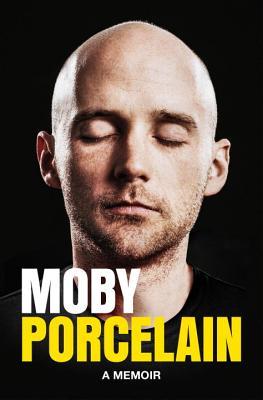
Moby, Porcelain: a Memoir
Brookline Booksmith
Friday, May 20 at 7pm
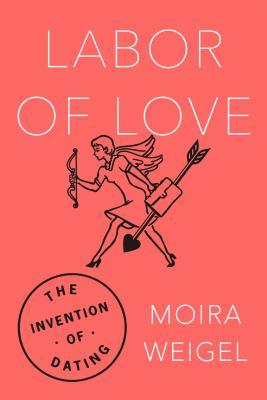
Moira Weigel, Labor of Love: The Invention of Dating
Harvard Book Store
Monday, May 23 at 7pm
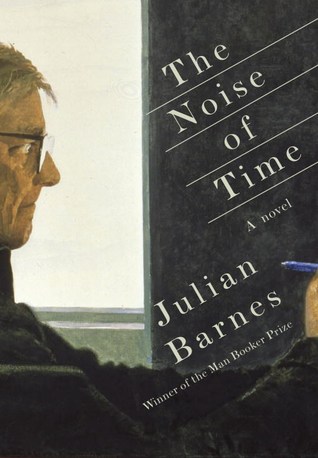
Julian Barnes, The Noise of Time
Coolidge Corner Theatre/ Brookline Booksmith event
Thursday, May 26 at 6pm
Share this:

book review: The Longevity Book
Posted by Amy Steele in Books on April 20, 2016

THE LONGEVITY BOOK by Cameron Diaz and Sandra Bark. Harper Wave| February 2016| 259 pages | $27.99| ISBN: 978-0-06-237518-6
RATING: ****/5*
“In the years that come, I may grow weaker, but it is my hope that I can also grow wiser, warmer, and more resilient. I hope we can all find the power to grow older together, each of us doing the work we must to become stronger and more loving and more at home in our hearts, in our bodies, and in the world.” –Cameron Diaz
How does Cameron Diaz start every day? She brushes her teeth, drinks one liter of water, meditates, eats breakfast and works out. I didn’t read The Body Book. I know that her discussion of poop and body hair received lots of press. Both important and I was glad that her book encouraged discussion. I’m quite in touch with my body, its functions and the mind-body connection. That doesn’t mean I look or feel perfect or that my body isn’t showing and feeling signs of aging. There’s more gray hair at 46 and more creaks and cracks. The Longevity Book focuses on aging—what happens to our body as we age, how we can feel good in our aging bodies and how we might increase our lifetime longevity. Cameron Diaz and her writing partner Sandra Bark conducted thorough research on the subject. They spoke to scientists, researchers, educators and doctors throughout the country at universities and research centers, including National Institutes for Health [NIH]. If you’ve taken a biology or Anatomy and Physiology class some details will be familiar. Definitely worth a review. Throughout these pages the authors effectively explain stem cells, disease risk factors, genes, cells, the immune system, nutrition and menopause.
The Longevity Book is divided into three parts—The Scenic Route: Living in the Age of Longevity; Steep Grades, Sharp Curves: The Biology of Aging; and You are Here: The Art and Science of Living Longer. The book reads quite conversationally. It’s packed with useful information, reminders and facts. Here’s the truth on how women age, what’s expected of women in our society and how changing dynamics and life expectancy combined with new technologies will change the way we live and live long. As someone looking for work and being interviewed by many twentysomethings, I could relate to this: “Traditional hierarchies may be overturned. Many older people may find themselves taking lower-level positions, reporting to people who are actually their junior in age but their senior in authority.” The Longevity Book serves as a handy reference guide for women. Kudos to Cameron Diaz to get women talking about their health. It’s such an important and integral topic.
Some interesting information:
–In 1850, a woman’s life expectancy in the United States was approximately 40 years old. Now it’s double that—90 years old. [p. 22]
–66% of caregivers are women [p.34]
–“The field of geroscience aims to understand the relationship between aging and age-related diseases. The word root “gero” is derived from the name of the Greek god of aging, Geras.” [p. 37]
–The female heart is smaller than a male heart with “”think vessels arranged in a lacy pattern instead of the thicker tubes that connect a male heart to his cardiovascular system.” [p. 46]
–A women’s distinctive biology means that we have different risk factors for disease. “women are more likely than men to develop depression, eating disorders, and anxiety disorders like post-traumatic stress disorder. Mental health issues are, in turn, a risk factor for a variety of other diseases.” women aged 47-52 with depression have twice the risk for stroke than women who do not have depression. [p. 47]
–Not until 1980 did the American Psychiatric Association drop the official diagnosis of “hysterical neurosis.” You know a woman is crazy because she possesses a uterus. [p.50]
–Women’s health wasn’t really a thing until the 60s. And not until 1989 did Congress allocate funds to study women’s health specifically. By the 1990s “30 percent of ob-gyn specialists were women, up from just 7% in the 1960s.” [p. 51]
–Sex affects medications. “A female liver metabolizes drugs different than a male liver.” Also women store more body fat than men and some medications are attracted to fat tissues. Hormones influence how our bodies process medications. [p. 54-55]
–“Vitamin B6, also known as pyridoxine, helps your brain make serotonin, an important neurotransmitter for positive moods.” [p.140]
–“Nutrition, Movement, Rest. These are the threads from which our human experiences are woven, and they are the basis of our strength as we age.” [p. 158]
–Brain cells possess a longer life span than other cells. Skin cells last about three weeks and stomach lining cells last three days. “Over time, we continuously lose brain cells due to injury, illness, and the natural process of aging.” [p. 183]
–“Mindfulness-based activities like mediation and relaxation exercises have been linked to lower levels of the stress hormone cortisol. And a regular mediation practice has been shown to change the architecture of your brain in ways that are beneficial and protective.” [p. 193]
–According to studies, when people listen to music or play music it increases the neural activity in the brain. [p. 194]
–review by Amy Steele
FTC Disclosure: I received this book for review from Harper Collins.
purchase at Amazon: The Longevity Book: The Science of Aging, the Biology of Strength, and the Privilege of Time

Share this:

book review: Sunset City
Posted by Amy Steele in Books on April 18, 2016
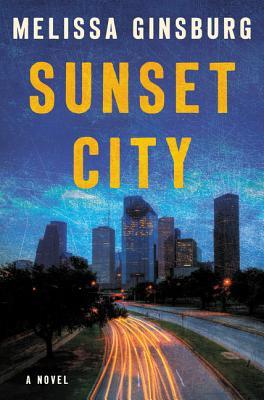
Sunset City by Melissa Ginsburg. Ecco| April 12, 2016| 208 pages | $25.99| ISBN: 9780062429704
RATING: ****/5*
When this book arrived unsolicited I was positive it would be another mystery/thriller that wouldn’t interest me all that much. I wasn’t enthralled by Gone Girl. I need a bit more depth in my thrillers. Fortunately, the phenomenal writing and intriguing characters and plot grabbed me from page one. Author Melissa Ginsburg writes a taut, colorful and gritty noir. She highlights the darker side of Houston—the strip clubs, the dive bars, the run down neighborhoods, the places where average Americans scrape by on minimum wage work. The descriptions of both setting—“By morning the city was hot and muggy, awash in dirty yellow air.”–and the drug use “With one more bump the world drifted from the stream of regular existence. I loved the separateness of it. I smelled the cocaine in my nostrils, a plastic bitterness that repulsed me if I gave it any thought. Back at the picnic table I was jittery, excited.”– take you right there.
A police detective shows up at Charlotte Ford’s house and she finds out that her high school friend Danielle Reeves was murdered. The now early twenty-somethings stopped hanging out when Danielle became addicted to heroin and went to prison. Danielle possessed a magnetic quality that attracted all types to her. Ford recalls: “Danielle was easily the coolest girl at our school. She wore outfits no one else could pull off—scarves and hats and glamorous upswept hair. She dressed for class like a movie star at some gala, and it seems elegant, never pretentious. Sometimes being around her made me feel sparkly, too.” Several days before Danielle’s murder, the two old friends met for a drink and Charlotte thought they might move beyond the past and become close again.
Danielle supported Charlotte when her alcoholic mother got sick and later died. Charlotte spent lots of time at Danielle’s house. Danielle partly escaped into drugs and the sex industry due to her overbearing and wealthy mother. Lately every novel unfolds from several points of view, often trading chapters back and forth between different characters. I’m getting a bit tired of this style. It’s refreshing and fitting that this story is told in first-person by Charlotte. Readers will feel empathy for Charlotte and her hard knock life. She’s gutsy and resilient which ensures an immensely readable and compelling read.
“I never got addicted to drugs when Danielle did. After a couple of days of being high, I wanted a break. I craved order, time alone, exercise. Danielle just wanted more pills. I knew it wasn’t any kind of strength of character. I wasn’t better than her. We both did whatever we felt like. It was only luck that what I wanted was not as dangerous.”
A bereft Charlotte decides to spend time in the places and with the people that Danielle did in order to understand how she possibly could have ended up viciously murdered in a crappy hotel room. Charlotte delves into the drug scene again as she hangs out with Danielle’s friends and at places Danielle frequented. She spends quite a bit of time and enjoys a physical connection with Audrey who worked at the same porn company as Danielle. She meets Danielle’s manager Brandon. But she also speaks with and shares an attraction with the handsome detective intent to solve the case. Besides tons of drug use, there’s lots of raw, hot sex. Will Charlotte get hurt as she delves into this debased underworld or will she find answers and peace?
–review by Amy Steele
FTC Disclosure: I received this book for review from Ecco.
purchase at Amazon: Sunset City: A Novel

Share this:

book review: mon amie americaine
Posted by Amy Steele in Books on April 11, 2016
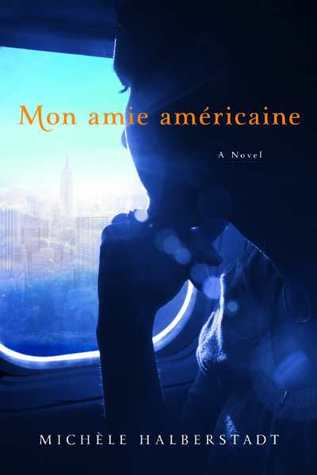
Mon Amie Americaine by Michele Halberstadt. Other Press| April 12, 2016| 160 pages | $14.95| ISBN: 978-1-59051-759-8
RATING: ***/5*
This is the story about a friendship between two women who work in the film industry—one a Manhattanite named Molly and the other a Parisian named Michele. Molly suffers a brain aneurysm which puts her into a month-long coma. Michele would rather not think of Molly in a coma at all. Not think of her with a serious health concern. The entire novel unfolds as one long confession in which Michele expresses her fears, regrets, selfishness and blame toward Molly. She writes: “I’d rather think you’re away on some assignment, out covering a story; and that you can’t wait to tell me what you’ve found out as soon as you get back.” Denial. Of Molly’s smoking (maybe the cause of the aneurysm): “You should to say you’d stop smoking when you found a man to give you children, since a pregnancy was, you’d maintain, the only way to make yourself give up your three packs a day. You didn’t know that illness was another way to achieve abstinence.” Guilting Molly. I thought the French smoked all the time. Of course as with anything there are exceptions.
Apparently Michele was that healthy woman lacking any bad habits. The perfect European. Is Michele going through the stages of grief for a lost friend although Molly isn’t dead? Perhaps. Michele considers their friendship in its past imperfect perfection, as it stands in the present and as she pictures it would or would not be in the future. It’s an easy read but definitely doesn’t depict Americans kindly. Here’s how she describes Molly: “You, the city rat who’ll startle at the slightest noise, get hysterical when an insect comes near; you, climbing onto a chair the moment you see a mouse. You, scared of the dark, heights, flying, bridges and elevators. Shunning exercise, jogging, sports, the slightest physical exertion. You, the American who gobbles vitamins, never eating right, the confirmed frozen-food user, eating yogurt a month after the expiration date, worshipping the sun to an outrageous extent, forgetting whether you’ve had a tetanus shot, sucking down aspirin like it’s mint candy, abusing cheesecake and chocolate milkshakes. You, doping yourself with one cappuccino or Diet Coke after another.” Not super positive. She sounds like a junk-food craved, sedentary southern suburbanite not a Manhattan executive who travels the world on business.
What attracted the two to each other in the first place? Why did they become such close friends? Sure they both worked in the same industry, likely composed of mostly men. Women would form bonds and if there were enough commonalities a bond would grow. One of Molly’s friends asks Michele why the two are even friends and Michele writes a long list in response. She includes that Molly makes her laugh; brings her souvenirs; knows how to give unbelievable presents; loves soul music, hot water bottles and earrings; she can fix Michele’s telephone and computer; she can put on nail polish in the back of a moving car without issue. Also: “Because you never wear eye makeup but do put on lipstick, and I do the opposite.” And “Because your French is nonexistent, and I love to speak to you in English.” So this sounds sort of one-sided. Does not sound like a solid basis for friendship. It’s a rather symbiotic relationship it seems: each takes from it what she needs. Isn’t that often how one can boil down friendship? When visiting Molly in the ICU, Michele writes: “I’ve found you again, incredibly fragile and battered, but still near and still so familiar. I’ve missed you so much.”
For Michele, Molly may never be that “fun” American friend again: “You look a little like a rag doll. All of your movements occur in slow motion. But I see no spark in your eyes. Only the weight of an indescribable fatigue.” Michele, your friend went through an extremely traumatic life-threatening experience and she survived. This is your friend. You adapt to the changes or you move on and readers likely can guess your decision. As Molly begins to recover many of her American friends stop spending time with her as they find her demanding and perhaps too in need of assistance. Michele herself cannot handle this fractured Molly. She states: “With all my strength I’ve wanted our friendship to remain intact. I’ve got to face facts: that’s far from being the case. I lack courage. There have been times when I’ve been in New York and haven’t told you.”
purchase: Mon amie américaine

Share this:

book review: The Wander Society
Posted by Amy Steele in Books on April 9, 2016
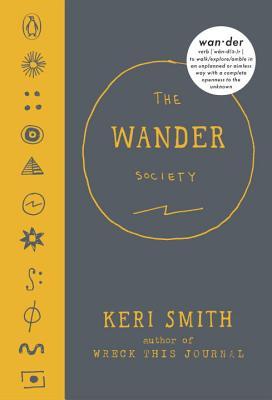
The Wander Society by Keri Smith. Penguin Books| March 29, 2016| 176 pages | $20.00| ISBN: 9780143108368
RATING: ****/5*
A beautiful looking book that explains a secretive society designed to allow a person to get in touch with one’s thoughts, one’s soul and nature. By now everyone knows that meditation, yoga and mindfulness help us pursue calmness and productivity. When author Keri Smith found an old copy of Walt Whitman’s Leaves of Grass, she stumbled upon the Wander Society. The members remain anonymous. Author Keri Smith explains: “While we cannot say for sure exactly who the Wander Society is, I believe its members exist to aid us in our quest to discover our own deepest soul life, to help us move to a higher plane of consciousness. That is the theme that seems to repeat itself again and again in its literature. Smith compiled this book after reading and researching any existing literature she could find associated with the Wander Society.
From an introductory pamphlet: “The path of the wanderer is an experiment with the unknown. To be idle, to play, to daydream.”
Included in this brief book: The Nature of Wandering–includes definition; the philosophy; the importance of “randomness” and how to find fellow wanderers; The Wander Society’s Tactical Guide—includes essentials; time; how to be invisible; wandering meditation; Wandering Initiation– includes setting out; creating a uniform; how to invoke an inner wanderer; Assignments/Research/ Field Work—there’s a ton in this section such as documentation; low wandering; sound tracking; leaving symbols; wandering by bicycle; library wandering; random painting; How-To Section—carving a wandering stick; making a wander belt pouch; making a wander notebook. In the end she includes Wander Society Lexicon; Leave Behind Quotes; Excerpt from Leaves of Grass; the Wanderer’s Creed and Wander Symbol’s Key.
Whether you decide to take up wandering every day or once a month, this book will certainly encourage you to try it. The beautiful typeset, photos and organization of the book create an appealing guide. It’s also the perfect size and weight to take along as a reference and inspiration during your wandering. Smith writes: “We need more rambling, daydreaming, thinking, perusing, being, looking, existing, allowing, ambling, opening, listening, because it teaches us what we are capable of. The nomadic tendency of wandering allows us to take pause, to consider what is really necessary, what is important for living well.” Wandering is a bit aimless but it’s also a way to think and observe. It’s a way to break our reliance on technology and take moments to savor the world around us. She adds: “The wanderer becomes one with himself or herself and the universe. We connect with the energy of all living things. We live according to our inner nature.” Another beautiful concept behind wandering: “When we enter into the wandering mindset, which can take a while to kick in, we actually change into our true self, not the person we are trying to be for society.”
In this book you will discover that wandering incites creativity. Smith writes: “qualities of great wanderers: “curious, inquisitive, nonconformist, rebellious, daring, revolutionary, inventive, visionary, solitary, self-sufficient.” That sounds ideal. Many of us—the writers, the artists, the radicals, the free-spirits—desire to be seen as change-makers, running against the grain, anti-societal expectations and precepts. Some well-known wanderers include: Walt Whitman; William Wordsworth; Charlotte Smith [an English Romantic poet and novelist]; Charles Baudelaire; Henry David Thoreau; Aristotle; Thich Nhat Hanh; Oscar Wilde; Rebecca Solnit and Virginia Woolf. So add wandering to your list which should include yoga, mindfulness [read the chapter on Wandering Meditation if you aren’t familiar with mindfulness because there’s such a thing as mindful walking] and meditation. So pack a snack, a notebook, a camera and a bottle of water and head out there to commune with the earth, discover something fresh. Wandering inside in libraries or old bookstores works too.
–review by Amy Steele
FTC Disclosure: I received this book for review from Penguin Books.
purchase at Amazon: The Wander Society

Share this:

book review: Modern Girls
Posted by Amy Steele in Books on April 7, 2016
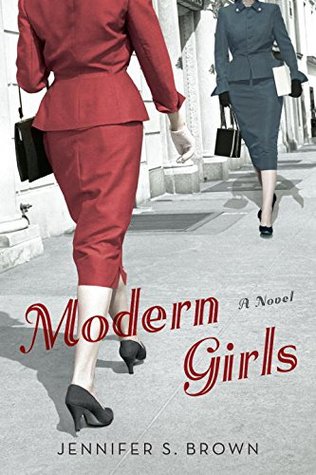
Modern Girls by Jennifer S. Brown. New American Library| April 5, 2016| 366 pages | $15.00| ISBN: 978-0-451-47712-5
RATING: *****/5*
It’s 1935. America’s coming out of the depression and Europe’s heading for WWII. Years before, Rose immigrated from Russia, met her husband Ben and they raised a large family—four sons and one daughter in the Jewish tenements on the East Side of Manhattan. She’s particularly close with her bright 19-year-old daughter Dottie who works as a bookkeeper at an insurance company and just earned a promotion. Dottie excels at math and her mom’s been saving money so that she can attend college. Rose notes: “In my dreams, Dottala went to a fancy college, a place where she could spend her entire day learning, immersing herself in books.” The delight with these characters is that they’re progressive and believe in women’s equality as much as possible in the 30s. Committed to the socialist party for years, Rose wants to return to activism since her children don’t need as much attention. She’s concerned about her brother trapped in Poland as Jewish persecution escalates. She needs to assist in the impending war as much as she possibly can. There’s also a Women’s Conference against the High Cost of Living with which she wishes to be involved. Rose also embraces her Jewish heritage and religion and keeps up with traditions like Shabbat dinner.
While Dottie dreams of marrying her strictly religious boyfriend Abe, she also plans to continue working. She thinks: “I knew I would have to take on the same tasks when Abe and I married, but I didn’t relish the idea. In my dreams, I kept working—either at his store, or perhaps, now, at the insurance office—and hired a girl to take care of the house. But those were fantasies.” Dottie’s new thinking might not mix that well with Abe’s old-school attitudes. When her mother tells her that she’s saved up money for her to attend college and study accounting the idea thrills her as she adores math and the increasing responsibilities in her work. Dottie explains: “How wonderful would it be to sit in a classroom, surrounded by numbers. Were there new numbers to learn? New worlds of calculations to discover?” A woman focused on gaining an education and concentrating on a career makes Dottie an intriguing character. She enjoys earning her own money. She helps her family and likes to keep up with the latest fashion and make-up.
Unfortunately, when both women become pregnant their future plans may suffer. The women must contemplate what’s important to them and make complicated decisions. At first Rose thinks that she might be going through menopause even though she’s only 42. Dottie realizes that her pregnancy resulted from a one night liaison with a wealthy and rather womanizing young man at a Jewish camp in upstate New York. She and her boyfriend of three years have yet to have sex. Abe remains religious, studying Judaism constantly, and intends to wait until marriage to have sex with Dottie. However Abe and Dottie have dated for three years and Abe doesn’t seem all that interested in marrying anytime soon. As Dottie just earned a promotion and isn’t pregnant with her boyfriend’s child, wants to attend college, her mother decides to take some of her savings to pay for an abortion.
Revisiting the past often connects us with the present in unexpected ways. In this debut novel, author Jennifer S. Brown, developed layered and complex characters. We learn the women’s personalities through present and past events. Brown makes Dottie and Rose women you could imagine getting together with for a cup of tea and a blend of conversation. Being younger and born in America, Dottie enjoys a bit of pop culture and trends but she’s also focused on a career. Rose remains partly in the old world while remaining active in her new environment. She’s making the best home and best life possible.
The novel focuses on a strong mother-daughter relationship. Brown incorporates historical details which strengthen the plot, setting and characters. For instance in a meeting Rose attends, she urges her comrades to write letters to their Senators to repeal 1924’s Johnson-Reed Act which instituted quotas on the number of Jews that could enter America. While Rose and Dottie don’t share every detail with each other they’ve developed a solid bond and care deeply about each others well-being. Mother and daughter respect and support each other. Despite the decade, the restrictions against women and standard domestic expectations, these women remain strong feminist characters. A sequel set 10 or 15 years on would be greatly welcomed. These characters must be followed up on. Clear your schedule and brew a pot of tea. Once you start this wonderful, detailed novel you’ll want to read straight through.
–review by Amy Steele
FTC Disclosure: I received this book for review from New American Library.
purchase at Amazon: Modern Girls

Share this:

book review: Security Mom
Posted by Amy Steele in Books on April 5, 2016

Security Mom by Juliette Kayyem. Simon & Schuster| April 5, 2016| 260 pages | $25.99| ISBN: 978-1-4767-3374-6
RATING: ***/5*
In the last Massachusetts gubernatorial race, I volunteered early on for Juliette Kayyem and I’m convinced she now has me on a watch list. It’s not the easiest thing to take orders from millennials as a GenXer who has volunteered on political campaigns since they were babies. Things didn’t go well with these young ones and I’m pretty sure they held my mental health against me and then I found Juliette Kayyem had even blocked me on twitter and I’m not quite sure why. I chose to work with her. I picked her as my candidate. Unfortunately she did not receive enough caucus votes to secure a place on the ballot. Also interestingly Emily’s List—an organization devoted to putting women in political office—would only support ONE female candidate in Massachusetts and that was then Attorney General Martha Coakley, who as we know went on to lose against Republican Charlie Baker. That’s my connection with Juliette Kayyem.
“The warning that keeps sounding, year after year, generation after generation, is this: NO government ought to guarantee perfect security, because no government can provide it. There has never been a time of perfect peace. Indeed, there is only one promise that government should make: that it will invest in creating a more resilient nation. And that promise begins with acknowledging that citizens must be a part of this plan.”
Her new book Security Mom focuses more on the memoir part than the how-to part. Kayyem’s worked for the Department of Justice, she’s taught at Harvard’s Kennedy School of Government and worked as assistant secretary of Homeland Security and as the homeland security advisor for Massachusetts under Governor Deval Patrick. She does include tips we’ve all heard before disasters and after 9/11 such as keep a stocked first-aid kit; stock up on water and canned goods and flashlights and batteries; know your exit plan. One smart thing is to photocopy all essential paperwork—birth certificates, social security cards, passports and mail to someone out-of-state. Kayyem stresses: “We don’t need to live in fear of catastrophic disaster striking at any time. Preparedness means taking responsibility in the event that it might. When more people are prepared, fewer people will need help. That will minimize the possibility of greater catastrophe.”
Kayyem discusses The Boston Marathon bombing, the H1N1 pandemic, the aftermath of the Haiti earthquake, anthrax scare and the BP oil spill. It’s a chronological account to her career as an attorney and terrorism expert. Her career began as an attorney in the Civil Rights Division of the Department of Justice. Former governor Deval Patrick served as Assistant Attorney General and her direct supervisor under Attorney General Janet Reno. She notes she was the only high-ranking Arab-American [she’s part Lebanese] at the Justice Department. Soon Janet Reno placed Kayyem on a team that reviewed “secret evidence” cases. The task: to examine how the FBI investigated certain individuals. This work started to make her a terrorism expert. She notes: “As my work drew me deeper into the national security apparatus, I became privy to information about the threats to our nation from various terrorist organizations thriving abroad and at home, as well as about the amount of activity—surveillance, intelligence operations, military actions, law enforcement raids—being performed to protect the country.”
In the 90s Congress appointed her to the National Commission on Terrorism. Of the appointment, Kayyem wrote: “The Democrats needed to show that I was a safe appointment, qualified and also acceptable to all of the religious, political, and ethnic groups invested in the issue: a Christian Arab-American terrorist expert born in California and married to a Jewish Law professor—a Harvard law professor, no less!” No slacker herself, Kayyem graduated from both Harvard College and Harvard Law School. That’s where she met her husband. No doubt Kayyem’s career fascinates and impresses and she details much of it within these pages. Might lead you to feel you’ve accomplished little with your own career. Although you’ll notice that each career appointment connects to her last. Politics subsists by who you know. If you are interested in homeland security, counter-terrorism and safety, it’s a book you should read. I’d rather not give out too many details. Watch list and all.
–review by Amy Steele
FTC Disclosure: I received this book for review from Simon & Schuster.
purchase at Amazon: Security Mom: An Unclassified Guide to Protecting Our Homeland and Your Home

Share this:

-
You are currently browsing the archives for the Books category.
About Me

covering mostly music and books. focus on alternative/indie and women in music, literature and the arts. feminist. vegan. mostly alternative, a bit bohemian. Masters in journalism from Boston University. BA from Simmons College.



Entertainment Realm by Amy Steele is licensed under a Creative Commons Attribution-Noncommercial-No Derivative Works 3.0 United States License.
Based on a work at entertainmentrealm.comCopyright © 2009. All writing, unless otherwise noted, by Amy Steele.
 ENTERTAINMENT REALM
You must be logged in to post a comment.