Posts Tagged STEELE INTERVIEWS
STEELE INTERVIEWS: WHEAT [I kinda adore this band]
Posted by Amy Steele in Interview, Music on October 22, 2011

Amy Steele: Thank you for taking the time to answer a few questions.
Brendan Harney: You’re totally welcome. Our pleasure for sure. Nothing like the opportunity to talk ’bout what we love.
Amy Steele: The two of you, Brendan and Scott, have been together as Wheat for 15 years. How did Wheat start?
Brendan Harney: We started off as art school pals – “hangin’ out” in the parking lot of the art building. We always enjoyed each other’s aesthetic choices and such, and looked for ways to collaborate. And, then eventually we decided that we could kinda pull a lot of things together by making music and art under one umbrella sorta thing. No goals – no business plan – just whatever felt right.
Scott Levesque: yeah I had actually never witnessed Bren play a drum, but trusted that he’d be great. We had a lot of the same things in common we loved in music, visual art and artists, some books, etc.
Amy Steele: What kind of music training do you both have?
Scott Levesque: Actually I have anti-training… I seriously have a mental block when it comes to facts and figures; A’s and D’s. …it’s really funny. I just really enjoy the creative process being pure and natural. I just listen up super-ultra-mega close is all. And feel junk so I go with it…
Brendan Harney: Basically none. Really, not much at all. I took drum lessons off a guy for ’bout a year, but that was way way way before I ever started playing with Scott. In fact I had put the drums down for many years while working’ on visual art stuff. My best music training is listening and playing – listening and playing.
Amy Steele: What has changed since the band’s inception?
Brendan Harney: Well a few dudes have come and gone over the years for sure – most notably our original bass player (Kenny Madaras), and our long time guitar player and [honorary] kid brother (Ricky Brennan). And, the roles we play in the band continue to evolve sorta like a strange mismanaged garden. you know – it obviously got a bit more “professional” as the years went by – but, we also always throw some wrench in the works there as well – just to keep things fresh. Also – our aesthetic continues to mutate into something of its own. Who knows where it will go next!
Scott Levesque: I don’t always see change since I’m so close, but we always refer to a focusing, flex and wobble, sort of thing… we tighten up, lax out on the other end. Still the same guys at the core, but we get restless and crave change within the wheat framework [which comes so naturally]
Amy Steele: How do you manage longevity in such a rapidly changing music industry?
Brendan Harney: We just have always put the making of music right at the forefront (sometimes at the cost of a good career move and such like that). And, we’ve always kinda had change happen to us all along the way which keeps us working and guessing and reaching for something. God knows what – but reaching for something. I think something as close to real communication as we can get. It’s elusive, but we always try and share something legitimate – not bullshit – but, you know…… maybe spiritual on the love level or something.
Scott Levesque: You know the simple doing of it makes it so. “The horns don’t move until it walks,” that’s Captain Beefheart btw… it’s funny: if you write new songs, you have new songs. No great mystery. We exist because we say we do.
Amy Steele: What makes you work well together?
Scott Levesque: mutual respect for the other ones choices and artistic decisions. Plus I’m amazed at how Bren has always listened to most everything I’ve given him… and then made it better [or worse] in some way, shape or form.
Brendan Harney: I guess we have a lot more in common, taste wise, than not. We have complementary strengths as well. And now, we have Luke Hebert in the band; who plays all kinda instruments and is such a great dude to hang out with, that it keeps it all like a little bedroom beer party or something akin to that. Hanging out – sharing – working on getting it right.
Amy Steele: What has been or is your greatest challenge?
Brendan Harney: good question. Probably keeping our weirdness in check. It wouldn’t be hard for us at all to just make music that is kinda out there and only for us I think. So, the challenge is to remember to shape the music in a way that doesn’t feel too tangential or difficult. We get bored super easy – so, we gotta put songs down before we reinvent the wheel every half hour or so!
Scott Levesque: then also the opposite way… keeping the m.o.r./ pop-ness in check. Relaxing the ultra-pop arrangement side of us… like the tightrope walking thing. I love both sides equally! Black Dice to Kelly Clarkson… it’s all good at certain times. Great music is great music!
Amy Steele: What’s the best aspect of making music?
Brendan Harney: just that – making music. Taking a song from a simple idea, and/or chord progression, and then get to the point where it is fully realized. That’s a ton of fun. Staying quiet – being still – find out where that song wants to go, ’cause it’s got its own life, but we gotta channel that shit. So, you know – get a little smoke in our eyes – get quiet, and see if we can’t carve that song out proper.
Scott Levesque: yeah the “un-carved block” aspect of music discovery… but also just the demands and rigors of being a song writer. Never being bored, or complacent. Always workin’ out a verse, letting your life imitate art imitate life. Having a “higher purpose” or responsibility to the culture… whether success or not, having a “radiohead” that hopefully never switches off.
Amy Steele: Do you have a favorite album, a favorite song and if so, why?
Brendan Harney: I think my personal favorite Wheat album is, Everyday I Said a Prayer for Kathy and Made a One Square Inch. It has a tremendous spirit to it. When I listen I can feel the room we did it in. I can feel the emotion. I can feel the spirit. It’s a challenging record for sure, but it’s real art. Great concept – great songs – great and crazy execution.
Scott Levesque: yeah lots of improvisation on that [Kathy] record… though I’d say the newer songs are faves of mine… I love the new chapter, the m.o. re-invention and the current challenges of the day, time and place.
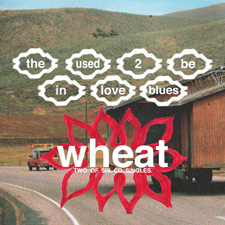
Amy Steele: You’ve released some new singles on your website. What’s the plan behind that?
Brendan Harney: Well, we’re working on our 6th full length (Can’t Stop the Addiction), and we just didn’t wanna have this huge gap between the last record and the next in terms of output. So, we figured this would be a cool project to do. Three double a-side singles that have a similar look and feel. Similar spirit hopefully. It’s always good to just finish songs, and not have a bunch of stuff in the “to do” box. This gets us in the zone, and makes us finish things up and get those kids out the door! Once those songs have gotten their legs, and can stand up on their own, it’s – “you go now and have a great life – don’t get yourself into any trouble now!”
Amy Steele: When do you expect to have a complete album finished? Do you record yourself or work with someone?
Brendan Harney: probably next fall or something. Never quite sure ’cause the process becomes its own beast. We might need to visit another planet or something before we get our heads on straight to fight the good fight. We do a bunch of work ourselves, and we also have been working with Citizen Kane as well.
Scott Levesque: we have always done both [ways of recording] we like the “one takes” and unique sounds that come from necessity and haste to remember but also like the wrench and sometimes “Band-Aid” other folks can throw into the mix, so BOTH, always!
More info at Wheat website
Share this:

STEELE INTERVIEWS: author Tom Perrotta
Posted by Amy Steele in Books, Interview on September 3, 2011
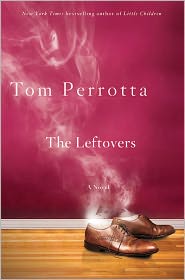
Tom Perrotta’s latest book examines the aftermath of a Rapture-like event for a small suburban town. I interviewed him for
The L Magazine.
Share this:

STEELE INTERVIEWS: singer/songwriter Yael Naim
Posted by Amy Steele in Interview, Music on June 9, 2011

Israeli/French singer/songwriter Yael Naim blends many different genres into her music—from jazz to classical to pop to swing. She shifts easily back and forth between jazz chanteuse and sweet pop singer. Her current record, She Was a Boy, is out now.
I recently asked her a few questions via email.
Amy Steele: How did you get your start singing?
Yael Naim: I was already playing classical piano for 2 years when at 12 years old I discovered the Beatles and started singing their songs and at the same time composing and writing my first songs.
Amy Steele: You have an impressive vocal range on your songs—did you take lessons?
Yael Naim: No. But I did work on my voice alone for many years imitating and trying to learn other singers ‘texture’ and techniques. Sometimes we can do something in jazz music or even in classical when we study many other composers’ style of music in order to learn a large ‘vocabulary’ or musical colors. Also working the classical piano for 10 years gave me tools to work my voice and other instruments.
Amy Steele: When did you decide to focus on a music career?
Yael Naim: I think that music was something i wanted to do seriously since I was 10 years old. It was clear to me even more over the years that I wanted to do music, no matter if it’s classical, jazz or pop music. I just wanted to express my true self and my own true music even if it might be a simple life with not much recognition.
Amy Steele: You grew up in Israel and now live in France, how does that affect your music?
Yael Naim: the fact to leave one place to go to another country made me feel like I’ve got two worlds and that fed my music emotionally. Also the music in Israel and France is very different and the sound of the production is very different too so i think it makes me curious about learning different approaches of sound and arrangement because each culture has something interesting to teach you. It made me want to open up even more and be curious about everything i don’t know in life and in music.
Amy Steele: What was it like to serve in the Israeli Defense force?
Yael Naim: I was 18 and not very conscious and also I was lucky to be the singer for the air force big band so I didn’t really feel I was doing my military service. I was only touring and singing every day.
Amy Steele: You’ve been writing and recording music for a decade. How have you changed as an artist?
Yael Naim: My most important change happened when I had a “defeat” after doing my first album in 2001 and also in my personal life. then I think I had no choice but to become more humble and in the same period I met David Donatien who encouraged me to produce (and not only make just demos) and record my music at home. So we started to record, arrange and produce my songs together. Then I think the everyday work with David for seven years is what changed me the most as an artist. Our work together made me open up to more creativity in the arrangements and not to be afraid to mix different styles of music and also learn to share my ideas with other musicians.
Amy Steele: What do you do different now that you didn’t do when you began?
Yael Naim: Now I feel free and independent in my music. David and I record our albums at my home and we don’t depend on anything in order to create and finish an album.
Amy Steele: What do you most like to write about?
Yael Naim: Writing and composing is a way for me to evacuate everything that happens to me or to express my ideas and thoughts. So it changes depending on the time period and what is happening in my life. The first album spoke a lot about things I lived through in my personal life and maybe the second album opened up more and speaks about the complexity we are made of and also about tolerance to the complexity and differences in other people and other different cultures.
Amy Steele: What is your writing process?
Yael Naim: Nothing is fixed. It can happen anytime and anywhere, it can start with a melody and have the lyrics follow or the opposite, it can start with any instrument i have around me … no real precise process then.
Amy Steele: Your parents are from Tunisia. Do you go there at all to visit? (My high school friend has lived there for 20 years)
Yael Naim: I’ve never visited Tunisia although would love to one day though
Amy Steele: What makes a good song to you?
Yael Naim: It’s like magic for me because it’s not like there’s a technical thing that you can do and be sure you’ll get a good song. Of course it’s important to be inspired but also to have something to say in the lyrics, music and to interpret in with the right emotion and have sensitive arrangement…. anyway, it’s really hard to define.
purchase album at Amazon: She Was a Boy

more information on Yael Naim
Share this:

STEELE INTERVIEWS: author Jill Edmondson
Posted by Amy Steele in Books, Interview on June 5, 2011
If you’ve been reading my reviews, you know that I adore The Sasha Jackson mysteries– Blood and Groom and Dead Light District— by Toronto author Jill Edmondson. I met Jill via Twitter and we have quite a bit in common. We’re both single, childless, writers (though she’s published books and I’m in-progress) and strong feminists who like good music. Sasha Jackson is liberal, savvy, strong, daring and a fascinating private detective character.
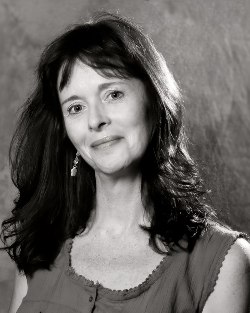
Recently, Jill agreed to answer a few questions.
Amy Steele: Why did you decide to write mysteries?
Jill Edmondson: The short answer is because I’ve read so many of them, and I eventually began to read them with an analytical and critical eye. I did a fair bit of work on women in Crime Fiction when I was doing my MA. As well, for many years I ran a mystery book club, and a few years ago, I was a judge for the Arthur Ellis awards… in which I had to read over 50 mystery novels in four months! After reading as many as I had, I thought to myself “Hey, I can do this…”
Amy Steele: Is there some sort of fellowship of mystery writers?
Jill Edmondson: Yes, indeed there is. We trade-off tips about poisons, bullet wounds, and which cops are on the take. You must know the secret handshake to join the inner circle.
Amy Steele: How important is place to a mystery story?
Jill Edmondson: In my opinion, it’s very important. I believe that setting becomes a character (and I don’t think this applies exclusively to crime fiction). Each city has its own personality, its own vibe. Agatha Christie’s works wouldn’t be the same if they were set in Vancouver, and Raymond Chandler’s books wouldn’t be the same if they were set in Des Moines.
Amy Steele: I read an interview you did with another author on your blog. You mentioned that setting a story in Canada and its appeal to American audiences. Can you expound on that?
Jill Edmondson: The quick answer is that I like proving people wrong…
First of all, I live in Toronto (and have lived in Ottawa and Mexico as well). I have read tons of mysteries, and a high percentage of them are set in London, Boston, New York, Los Angeles, and I’ve never lived in any of those places; nevertheless, I enjoyed the books. I like taking a little escape to the hard-boiled streets of LA or to Spenser’s Boston.
There seems to be a belief among Canucks (or at least among Canadian writers, agents and publishers) that if a book is going to “make it” it can’t have a Canadian setting. We’re told to substitute New York or Chicago for Toronto, Dallas for Calgary, and Seattle for Vancouver.
Let’s face it: Canada’s population is too small for a writer to achieve much $ucce$$ (this applies to musicians, actors, artists, etc. as well) and we need to “break into” the American market. While I recognize that we do indeed need to create a presence south of the border, I think it’s short-sighted and a bit parochial to buy into the myth that Americans don’t like reading a story set outside the boundaries of the USA.
Amy Steele: Your descriptions of Toronto make me want to visit very soon. How do you decide what to include and how much to say so that the story’s not overwhelming with detail or lacking detail?
Jill Edmondson: Many of the places Sasha goes are places where I’ve hung out, or neighbourhoods that I’ve lived in, or restaurants that I frequent, or bar where I worked when I was a student. I worked at The Pilot when I was in university, I love Café Diplomatico on College Street. Once upon a time I lived about two blocks from where the bulk of Dead Light District takes place. Woody’s (where Todd does his drag show) is real, so is the Wheat Sheaf (I went there for wings and beer when I was writing Blood and Groom), “Chadwick’s” is loosely based on Holt Renfrew, “Pastiche” is loosely based on Adega, Sasha’s office in Blood and Groom is where I once rented an office (with equally shady fellow tenants!), Sasha’s new office near St. Lawrence Market is one of my favourite parts of the city.
Best writing advice EVER: Write what you know. Sasha’s impressions of places generally echo my own, and she notices the same things that I do. An author I once met said that writing is about observations, that writers are observers, and I couldn’t agree more.
Amy Steele: What do you like best about Sasha?
Jill Edmondson: I love the fact that she has the balls to do things I never would or could (no matter how much tequila I had to drink) And I really wish I could sing and/or play the drums! She’s fearless and confident. .. Attagirl!
Amy Steele: What do you and Sasha have in common?
Jill Edmondson: Attitudinally and philosophically we are the same. I share Sasha’s views on religion (!!!), politics, diversity, and her short fuse for assholes and idiots. We’re both pretty open-minded and both try to be non-judgmental. We’re also more or less the same in terms of men and relationships (commitment phobic!!!) Neither of us likes plaid or cinnamon or the letter V.
Amy Steele: What makes a good mystery?
Jill Edmondson: You probably expect me to say something here about plot, but as important as the puzzle is, it’s not the key to a good mystery, in my humble opinion.
I think a good, solid, likeable character is paramount. So many mystery writers do a series featuring a sleuth or a detecting duo and readers have to like them, whether it’s Holmes & Watson, Sam Spade, Miss Marple, the Hardy Boys, Scudder, Elvis Cole, or Stephanie Plum. Readers have to want to get together again and again with their old friends.
Amy Steele: How do you come up with your story ideas?
Jill Edmondson: The view from my (old) apartment was the inspiration for Blood and Groom.
An essay on human rights and the sex trade, which I wrote as part of my masters, was the inspiration for Dead Light District.
The crazy-assed fetish parties in the place above a bar where I worked while in university were the inspiration for The Lies Have It (coming in Fall 2011).




You gotta agree: in and among all those bushes – with the roadways & train tracks – would be a great place to kill someone… I’m just saying.
I lived on the 23rd floor of the last building in picture #3 and this was the view from there (facing west).
Amy Steele: You wrote these first two novels, Blood and Groom and Dead Light District, rather quickly it seems. How did you do it? What kind of pressure did you have?
Jill Edmondson: Blood and Groom took six months, Dead Light District took five months.
I’m single, I don’t have kids, I rarely watch TV and I am pretty high energy once I finally get moving. I’m also impatient. Once I decided to do it, I just zipped along until it was done. More or less.
On the other hand, The Lies Have It was started in 2005 and took until Christmas 2010 to finish (it still needs to be edited).
I had the hardest time making the plot work for this one, but the idea always struck me as good, so I never gave up on it, but it did spend a lot of time on the back burner.
I work somewhat flexible hours (teaching), so I take advantage of the breaks (summer, Christmas, Reading Week, etc.) to really crank it out. I like to write/edit in long stretches – I can plug away for twelve hours at a time. But then I may not even think about it for three weeks. My approach is similar to the way I tackled essays when I was a student: procrastinate and then do a marathon. It works for me, so far.
Amy Steele: What do you like best about being a writer?
Jill Edmondson: I love interacting with/hearing from readers. The writing process itself is a bit of everything – frustrating, exciting, tedious, creative, but the end result (however I manage to get there) really leads to a good feeling.
Authors write so that people will read what they’ve written. You’re putting something out there – whether it’s a poem, a novel, an article – for someone to read, and it’s essentially one-sided communication. So reactions (at a library Q & A, at a store signing, via Facebook or “fan letters” and such) are welcome, and important, and immensely satisfying.
This isn’t to say that all of the responses from readers have been positive, but I am glad to say that very few have been negative or even lukewarm reactions. The positive stuff makes me feel all warm and fuzzy (and maybe even a bit puffed up!), but I pay special attention to anything that’s lukewarm or negative; I learn from it and keep it in mind for the next book.
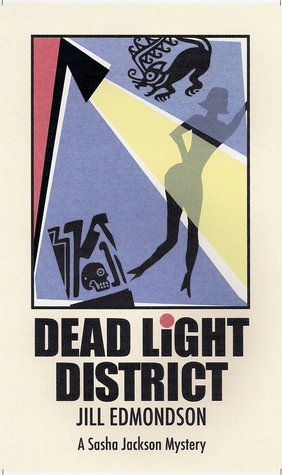
One fucking reviewer of Blood and Groom said there was too much fucking swearing in the fucking book, so I fucking toned it down for book fucking two. Actually, that’s a lie; in Dead Light District there’s probably just as much swearing as in book one, but I “cheated” and substituted a lot of Mexican slang/swearing for the F bombs. The same reviewer still said she’d like to wash the characters’ mouths out with soap… Guess she knows what pinche, pendejo and chinga mean.
buy the books: Dead Light District (A Sasha Jackson Mystery)

Blood and Groom: A Sasha Jackson Mystery (Castle Street Mysteries)

Share this:

sTEELE INTERVIEWS: singer-songwriter Lenka
Posted by Amy Steele in Interview, Music on June 3, 2011
Australian-born Lenka sings sweet and upbeat pop songs. She’s based in Los Angeles and her second solo album Two is currently available. Lenka tours this month.

I recently asked the singer-songwriter a few questions.
Amy Steele: How did you become a host of a television program in Australia?
Lenka: I had been an actor in Sydney for quite a few years but was studying at art college and starting to explore music. They asked me to audition and i thought it would be a fun, easy “bread-and-butter” job, which it was! We did comic skits in between the cartoons…
Amy Steele: Why did you leave acting to become a singer?
Lenka: I wanted to do something more creatively fulfilling, where i had more control over the content. And of course, i adore music and fell in love with the feeling of singing.
Amy Steele: What is different and similar about acting and performing as a singer?
Lenka: I feel like they’re fairly similar; both are performing, both are a heightened reality. But the big difference is, the character I’m now playing is myself!
Amy Steele: Who are you listening to?
Lenka: I’m loving Lykke Li’s new album and old $2 records we buy on the street.
Amy Steele: What kind of vocal training did you have if any?
Lenka: I took three lessons with an amazing vocal coach in LA to learn how to warm up and preserve my voice. I don’t like the sound of a trained voice though, so that’s all I’ve done.
Amy Steele: Did you get discovered in Australia or had you already moved to Los Angeles?
Lenka: I came to Los Angeles to tour with a band i was in, Decoder Ring, and then started doing solo music over here. So it’s really all happened in America for me.
Amy Steele: Who are your greatest musical influences?
Lenka: Old Jazz singers, Bjork, Fiona Apple, Goldfrapp.
Amy Steele: How do you like making videos? With your acting background how does that affect putting together a video?
Lenka: I love it! Gives me a chance to indulge in performing for cameras again. I’m glad to have had all that experience, I think it makes it a lot easier for me now…
Amy Steele: What do you like best about singing?
Lenka: The sensation of the release of emotion through melody and vibration.
Amy Steele: Do you find any challenges as a woman in the business?
Lenka: No not really, I’ve felt great respect and camaraderie as a woman.
Amy Steele: The music industry has changed quite a bit. How does that change the way that you write, record and perform?
Lenka: It’s become very internet-community based. Very immediate. That’s both good and bad I feel. Some of the mystique and anticipation has gone with this whole YouTube world, but then again, the way fans can be involved is absolutely amazing.

LENKA TOUR DATES:
6/10 New York, NY Bowery Ballroom
6/11 Philadelphia, PA North Star
6/12 Washington, DC DC9
6/14 Columbus, OH Basement
6/16 Pontiac, MI Crofoot Ballroom
6/17 Chicago, IL Subterranean
6/19 Minneapolis, MN 7th Street
6/29 BostonCafé 939
purchase album at Amazon: Two

Share this:

STEELE INTERVIEWS: singer/drummer Amanda Spring of Point Juncture, WA
Posted by Amy Steele in Interview, Music on May 24, 2011
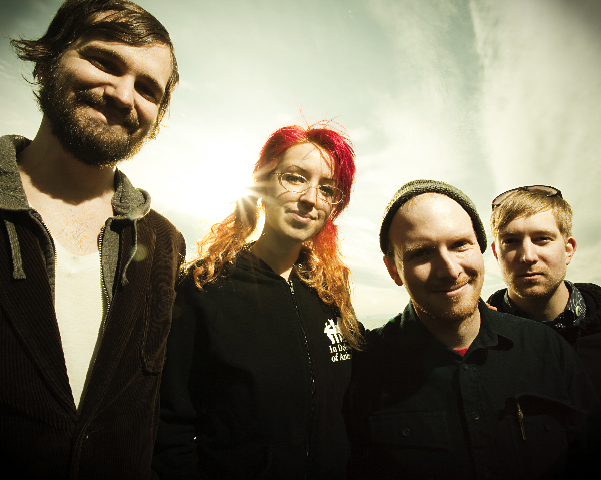
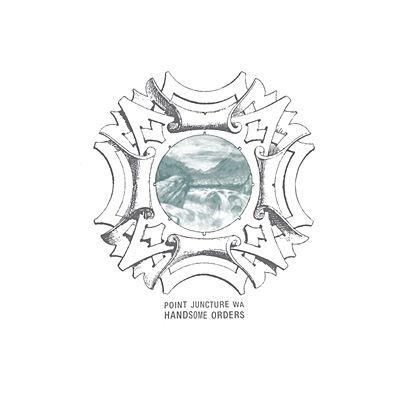
The Pacific Northwest has a thriving music scene these days with talented bands such as The Decemberists and Death Cab for Cutie, among others. Only recently, I’ve discovered the brilliant Point Juncture, WA. Intriguing arrangements, varied instrumentation, thoughtful lyrics, yearning and honeyed vocals, feverish melodies all combine to make Handsome Orders an album to play again and again.
Amanda Spring [vocals, drums], Victor Nash [keyboards, vocals], Skyler Norwood [drums, bass] and Wilson Vediner [guitar] comprise the Portland, Ore. band Point Juncture, WA. Amanda and Victor bought a house and built a recording studio in it so that the band can record and engineer their music. Handsome Orders is the band’s fourth release.
I recently spoke with Amanda Spring.
Amy Steele: How did you all meet and decide that being a band would work?
Amanda Spring: Victor and Wilson and I went to high school together in southern Oregon. Portland was the obvious destination for many of our musician friends and other creative types who wanted to remain Oregonians but also have a vibrant scene. Once in Portland, I met Skyler in a recording class and he made me laugh so we became fast friends. Then he recorded our first EP “Juxtapony” at his studio and we included his name among the members on the CD in jest. And what is written becomes true. We have had other members through the years but we are a four piece now.
Amy Steele: Not many women are drummers. What has been your experience as a female drummer?
Amanda Spring: I’ve had a great experience as both a female and a drummer. I think the “girls can’t rock” sentiment is confined to battle of the bands scenes in 80’s movies. Of course Portland is the “Girl’s Rock!” capitol. We even have camps for that sort of thing here. If there is criticism about my drumming behind my back then the joke’s on the hater because I can’t hear it! It’s not uncommon for at least one of the other bands on a bill we play to have a female drummer.
Amy Steele: how did you get into music yourself and learn to play drums and sing?
Amanda Spring: My parents were hippies and we always had a drum set on the school bus parked on the farm, so I dabbled over the years. Even now I wouldn’t say drummer if asked what I play because I have so many musical interests: Songwriting, singing, ukulele, bass, recording.
Amy Steele: what makes you work well together?
Amanda Spring: Point Juncture, WA works well together because we are all friends and we put in years of writing and recording and touring with each other and we’ve learned to let go: of expectations, of musical ideas not gelling, of grudges. People writing songs together (who are often from different backgrounds, music theory-wise) have to learn to communicate respectfully. For example, instead of saying “That part is so 90’s rock cliché” you might say “I could hear some more dissonance over that”. Moreover, if a song is not bringing us joy we just drop it and move on.
Amy Steele: The music industry has changed drastically, what have been your greatest challenges?
Amanda Spring: I am a successful musician because I am fulfilled artistically. I have a studio to record in 24-7. I get to play super fun shows with bands of my choosing and we produce albums that I think are good. It helps that I have side projects too. ioa is a 7 piece band that I lead on ukulele. Also, I play bass in a band called The Four Edge and I make hip-hop beats. I don’t know when it happened but I stopped caring about fame. If the shows are packed at a 300 capacity room I’m not pining over a 700. I’m through with that early 20’s itchy feeling of “when are we gonna get big”. Turning 30 in a few days. (Coincidence?)
Amy Steele: Being in Boston, I have to ask, what’s the story behind the song “Boston Gold?”
Amanda Spring: Unfortunately the title has no connection to the fair city. The lyrics “embossed in gold” just got misheard as “Boston Gold,” which sounds cooler!
Amy Steele: you grow your own food and camp on tour. How does this factor into touring?
Amanda Spring: Camping on tour is awesome if you build the extra time in for it. If there’s only time to sleep, a new friend’s couch is preferable. Camping or stopping to do a hike breaks up the monotony of driving and is a great time to either bond with your band mates OR get some space from them if they’re buggin. Also, beautiful landscapes + free time = song inspiration.
Amy Steele: What would you like to see changed for tours or at venues to make things more eco-friendly/ vegetarian/vegan-friendly?
Amanda Spring: If there was one change I could implore all venues to make in terms of vegan items it would be the milk. Lots of places already carry soy milk but there are such better alternatives. Rice! Almond! Just sayin’.
Amy Steele: Victor told me that you do all a lot the vegan cooking on the road. What are your fave things to cook or go-to recipes?
Amanda Spring: If a tour takes us through the Midwest I bring a grill and a cooler with some homemade sauces. Fall tours have a bonus of being harvest time, so I just pick everything from the garden which besides being delicious makes good gifts for the people we stay with. When we do go out to eat we usually opt for a grocery store, which is cheap and has something for everyone. Sitting in a van for hours a day is not great on the stomach, so eating fast food would just be adding insult to injury. It gets easier to be on tour as a vegan. Partly you learn what to have stocked up in the cooler and partly you learn to lose the feeling of entitlement that you should get a well-rounded vegan meal at every restaurant. After all, entitlement is what makes the SAD (standard American diet) prevail. It does heighten my emotions when I see the lack of options that pervade most of the country. It’s probably good to leave the vegan bubble of Portland to see what it’s like for most of the population. If my example (or BBQ tempeh) inspires anyone, then it’s good for the cause.
My favorite things to grill are veggies with teriyaki BBQ sauce: broccoli, zucchini, yellow squash, onion, mushroom. These are good choices because they don’t need steaming first. Tempeh is good too and couscous is easy on the road because it doesn’t take much cooking. I usually bring a big container of marinated tempeh from home in the cooler. Anything that you can make camping you can make in a parking lot. If you’ve got time to stop at a friend’s and use their kitchen before load-in the possibilities are endless. We also make a lot of hummus and veggie “vanwiches” and salads. Just stop to picnic at a rest stop that has running water to wash the dishes.
Amy Steele: What cities have the best vegan options?
Amanda Spring: The best cities for vegan food are what you’d expect: large metropolitan areas. Portland, Seattle, New York, Chicago, Denver, etc. The exciting thing is I’ve noticed vegan options sprouting up everywhere over the years. I think some of that is because people are really starting to look into allergies (thanks dairy-allergic people!) and because of college campuses. Students are the fastest growing sector of vegans. Let’s hope they stick to it after graduation.
purchase album: Handsome Orders

Share this:

STEELE INTERVIEWS: author Jennifer Haigh
Posted by Amy Steele in Books, Interview on May 16, 2011
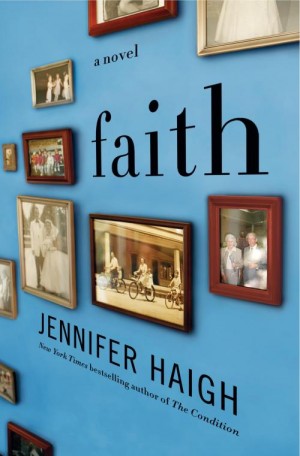
Faith engulfs the reader in its examination of religion and familial bonds. The fourth novel from Boston-based writer Jennifer Haigh delves into the personal fallout when a priest gets accused of a horrific act against a child. Questions arise, lines get drawn.
Jennifer Haigh kindly took the time to answer my questions.
Amy Steele: What interested you in writing about Boston’s Catholic Church scandal?
Jennifer Haigh: When I moved to Boston from Iowa in 2002, the city was reeling from revelations that Catholic priests had molested children, and that the Archdiocese had covered up the abuse. I was raised in a Catholic family, spent twelve years in parochial schools and had extremely fond memories of my interactions with Catholic clergy. It’s no exaggeration to say that nuns and priests were the heroes of my childhood. Like many people, I was horrified by what had happened in Boston – and, as later became clear, in Catholic dioceses across the country. Faith was my attempt to explain the inexplicable, to understand what I couldn’t make sense of in any other way.
Amy Steele: You have great details about seminary life. How did you research the book?
Jennifer Haigh: Priests were a fixture of my childhood, and yet when I began writing Faith, I realized that I understood very little about what their daily lives were like. I read a terrific memoir, The Other Side of the Altar, written by a former priest named Paul Dinter. Later I contacted the writer and told him about the novel I was writing. He very generously agreed to answer my questions about life in the priesthood. Paul taught me a lot about the education and training seminarians receive as well as the day-to-day duties of an ordained priest.
Amy Steele: Why did you decide to narrate the story in the way you did—sort of first person/ kind of third person piecing everything together?
Jennifer Haigh: It was an accident, really. I’d never written a novel in the first person. It seemed unnecessarily limiting, since it’s rare for a single character to know all the interesting parts of any story. But as I read about priests accused of abusing children, I was struck by the difficulty of proving or disproving such charges. There are never any witnesses; the only people who know the truth of the story are the priest and the child, and often neither will talk about it. The rest of us can only speculate about what went on behind closed doors, and that’s exactly what the narrator does in Faith. The novel is Sheila’s attempt to arrive at the truth, not merely the facts of the case but the reasons behind them. In that sense, it mirrors the way we all try to parse these stories: with very little evidence one way or the other, it’s hard to know what to believe.
Amy Steele: I think a lot of people forget that priests have family. Why were you attracted to this aspect of a clergy’s life?
Jennifer Haigh: Priests have an unusual relationship to family: they live very isolated lives, and choose not to marry or have families of their own. And yet they are always somebody’s son, somebody’s brother. That interests me.
Amy Steele: All your novels have been about complex family dynamics. In Faith you focus on the three siblings. How did you decide on characters and how they’d interact?
Jennifer Haigh: There’s no good answer to this question. It’s a series of very small decisions made over several years. I’m a slow writer and discover the characters incrementally, one small bit at a time.
Amy Steele: When you come up with an idea, do characters come to you first or the story?
Jennifer Haigh: Characters always come first. Before I write a single chapter, I spend about six months ruminating about who these people are, where they came from, how they feel about each other. By the time I sit down to write, they are as real to me as anyone in my own life, and I have a real sense of how they’d react in any given situation.
Amy Steele: What is most important to you when writing a novel?
Jennifer Haigh: To use the language well, and to tell the truth as I see it. Though the characters and situations are invented, I think novels can be truer than journalism, tell larger truths about what it means to be human. At least, that’s the hope.
Amy Steele: What is your favorite thing about your novel Faith?
Jennifer Haigh: I am exceedingly fond of all these characters, and of the landscape of the South Shore.
Amy Steele: Having written three well-received books, did you feel pressure in writing this one?
Jennifer Haigh: No more or less than usual. As always, the first year was extraordinarily difficult. It’s hard to make something out of nothing, and I always wonder periodically if I’m fooling myself. In that respect, the fourth book isn’t any harder than the first one, or any easier.
Amy Steele: How has your writing process changed over the years?
Jennifer Haigh: It’s changed very little. I still work slowly and consistently, and am quite secretive about what I’m writing. I spend the first year or so drafting the story and a couple more years revising. The only significant difference is that I now work outside my home, at a little writing studio with no telephone, no internet access and absolutely no distractions. I can’t work in cafes or parks or on airplanes, because there’s simply too much too look at. I need the imaginary world in my head to be more vivid that the one in front of me.
Jennifer Haigh website

purchase at Amazon: Faith: A Novel

Share this:

STEELE INTERVIEWS: author Molly Jong-Fast
Posted by Amy Steele in Books, Interview on May 1, 2011

Molly Jong-Fast pierces reality by projecting her own obsessions throughout the pages of The Social Climber’s Handbook, a sharp look into the lives of Upper East Side denizens. She’s dichotomously self-defeating and confident. She’s smart and hysterical. I feel like she’s the sister I never had [or even wanted]. Molly is charming, caring and real. She loves Edith Wharton [me too!], fears flying [insert joke about her mother Erica Jong’s groundbreaking feminist tome Fear of Flying], has an MFA from Bennington, adores a good mystery and when she’s not taking care of her 3-year-old twins or their older brother, is reading a classic novel. Molly’s currently working her way through The Sacred Fount by Henry James.
Molly and I had a two-part conversation by phone on Friday.
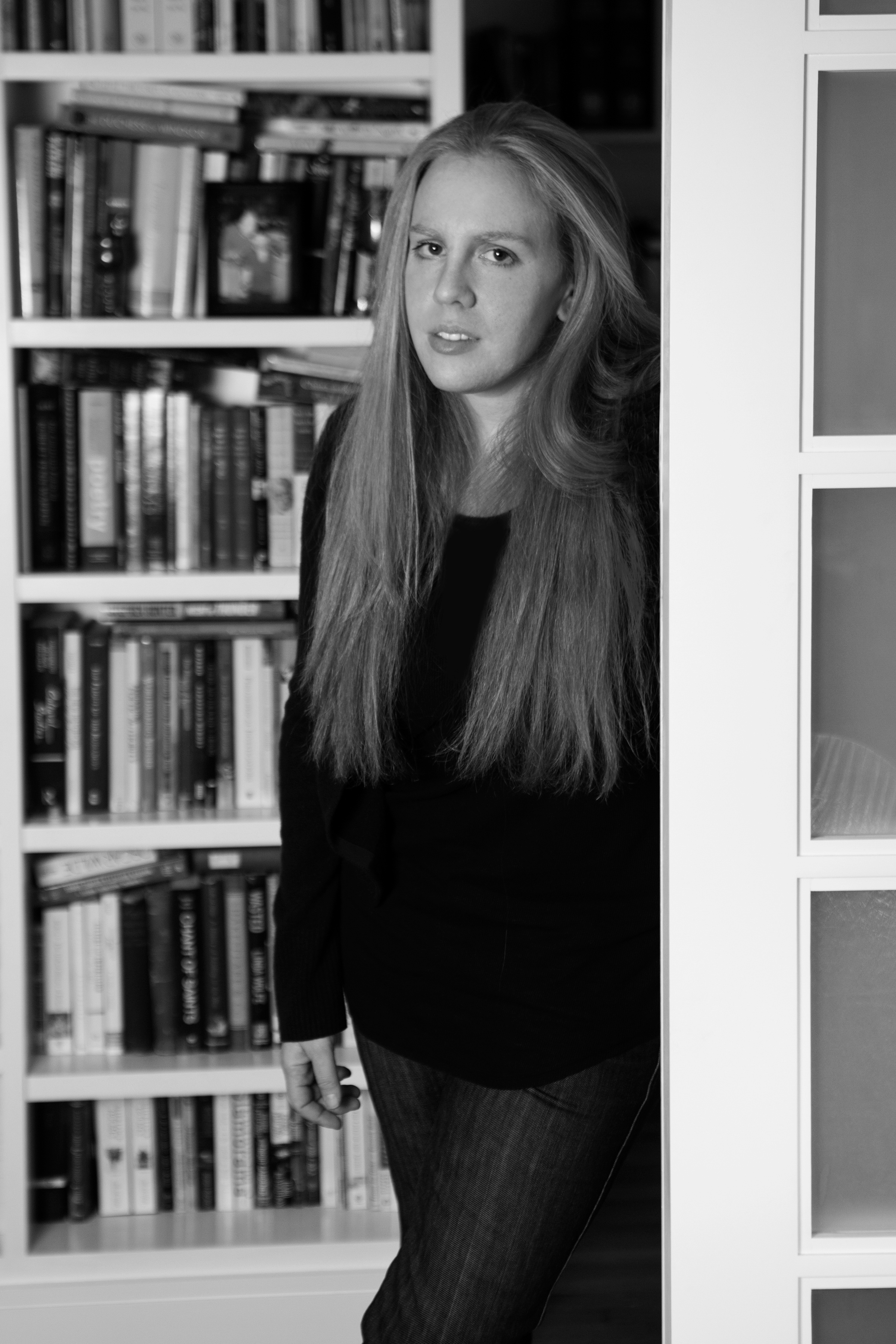
photo by Ben Ritter
Amy Steele: How did you come up with the idea to write The Social Climber’s Handbook?
Molly Jong-Fast: I wanted to do something like The Talented Mr. Ripley. That’s what I sat down to do. That’s a book about an outsider. He’s an outsider trying to make it. Daisy’s an outsider too but it’s not the same kind of alienation. There were two things I wanted to happen. I read an interview with Bret Easton Ellis. I think he’s a really great writer. I love that book Glamorama. He was saying, “There’s no such thing as a female serial killer.” And that’s not really true. There was Eileen Wuornos… that prostitute serial killer and there are a lot of women who kill all the time, especially lately. So that kind of annoyed me. And the other thing is that I walk around not that well dressed and, relatively speaking to my peer group, I look homeless. I really stand out. People say, “You’re so down to earth.” I say, “I’m not down to earth. I’m just a mess.” But even I could probably get away with a really serious crime because people just don’t look at white people as critically. They just don’t.
I read a lot of books. Much of what I read is classics. But I was going through a spate of reading mysteries. Readers are willing to suspend their beliefs when they really like something. In some ways what makes me a bad writer is that I’m really stuck on whether something can happen. I get nihilistic—“Nobody reads. Nobody’s going to buy it.”
I’m a huge Edith Wharton fan. Huge. The truth is that people like to read about that world and it’s interesting. It’s interesting to all of us and it’s interesting to me.
Amy Steele: You said Daisy was kind of powerless.
Molly Jong-Fast: I have this interest in people being powerless and how you get to a position where you are so powerless and then how one could conceivably get out of it. How do you get out of something like that when you’re stuck?
Amy Steele: I see that in The Social Climber’s Handbook but then also that her husband thinks she’s powerless but doesn’t know everything about her.
Molly Jong-Fast: My obsession has always been the secret life of the American housewife. Having grown up with parents who were divorcing and divorced, I didn’t know that marriage is its own thing. It’s not necessarily a good thing– marriage as an institution. Our parents didn’t really explain to us that it’s actually quite a lot of work. It requires an enormous amount of sacrifice of things you might normally not want to sacrifice. I was surprised when I got married. And a lot of women really make the ultimate sacrifice by just totally sacrificing themselves to the institution. Some of that is sacrificing the larger part of who you are. I was always feeling bad about myself. And what happened when I had kids, which was really great, was that I didn’t have much time to feel bad because I had the physical labor of childcare.
Amy Steele: I was the same way. My parents divorced when I was young and my mother re-married when I was about 12. I see commercials and things with women saying, “This is the day I’ve dreamed about.” And I never dreamed about a wedding or getting or being married. Who dreams about a wedding? Particularly thinking about the Royal Wedding today.
Molly Jong-Fast: It’s the whole institution that we don’t get great information on. We don’t have a great sense of what it really is. The compromises and sacrifices that one makes when one gets married aren’t that different from what every American woman makes when she gets married.
I never particularly thought I’d get married. I just sort of wandered into the situation that I’m in. I’m lucky because I really like my husband a lot. I never thought, “I’m going to get married and I’m going to have five kids.”
Amy Steele: I guess I’m just not the marrying type as Dorothy Parker or Mae West would say.
Molly Jong-Fast: The world has changed so much. In some ways, the worst of the feminist movement was saying that you could have it all because you can’t have it all. I’m so ineffective it’s a joke. I write one book every seven years. I don’t have it all. If I had to support my family we’d be on the street. I have a little bit. You have to make compromises all the time. I think that’s just a function of life too.
Amy Steele: What makes the Upper East Side stand out from all the other neighborhoods of Manhattan?
Molly Jong-Fast: When I lived up here as a kid it was not very fancy. It was basically like Brooklyn Heights. I grew up in a townhouse. It was constantly getting broken into. It wasn’t a particularly glamorous place to live. My parents had a terrible divorce and everything like that but I didn’t think we were rich. I thought we were lower-middle-class and then I went to college and I met people who had grown up on food stamps. They really had hardship. No one in my family had any idea about money because we were all artists. If anyone made any money, it would quickly be frittered away. It was an extremely terrifying childhood because I always felt like there was no stability.
Now my husband works in finance and we’re fine. It’s also that I can’t think about it too much. I’m not much but I’m all I think about. [Molly jokes]
What is good about the financial crisis was that people stopped looking at bankers as super heroes. That was really a bad thing.
I did what I set out to do. I wrote a satirical novel. If you pick this book up on a beach, you’re going to really enjoy it and it’s not going to make you any stupider. There’s a lot of interesting writing in there and there are a lot of big words. And I think when you take a topic, like rich people on the Upper East Side, back to Edith Wharton, it’s an interesting world and it’s not being written about terribly well. Certainly there are subject matters that will get you more sympathy from your reading public. I think it’s still a very valid and interesting thing.
Amy Steele: What makes you want to write mysteries?
Molly Jong-Fast: I really like mysteries. A lot. Very smart people read mysteries. I’d really like to do a big generational novel that you’d need to have a spread sheet to keep track of everything that’s happening. I love those kinds of books but I’m not sure I’m there yet as a writer. I’m not sure with all these children [three] I’m organized enough. You really have to keep track of everything. But I can’t imagine I’m going to get smarter as I get older so maybe I should.
Amy Steele: Why did you decide to become a writer?
Molly Jong-Fast: I sort of happened into it and I think that’s why children of writers do become writers. You sort of think that this is what people do. Who doesn’t write books? I got into it and I couldn’t get out of it. I love the writing. I like getting into something and going back and forth with it and making it work. I find myself really interested in it. I love the process of it.
Amy Steele: What do you like about the process?
Molly Jong-Fast: I like coming up with something. The problem I always have is that I can’t think of a plot. So it takes me three years to think of a plot and then I’ll write out-takes of other plots and then I’ll have to throw them out. A lot of times I’ll write something and think, “This is really brilliant.” Then I’ll give it to my husband [Yale PhD] and then I’ll read it again and say, “This is the worst thing I’ve ever written,” and I’ll throw it out.
I don’t have a great sense of perspective of my work. The one thing about writing a novel is that you just need to do it and you can’t worry about whether it will sell or whether people will like it. You just have to do it. It’s really hard. It’s a hard question. Do you matter? Does anyone matter in such a fast-paced world?
Amy Steele: What kind of education did you have that has shaped you as a writer?
Molly Jong-Fast: Basically my education has been my PhD husband telling me to read this, read that. He edits my work. He’s a very big part to why I’ve gotten to be a better writer. I don’t think by any stretch of the imagination I’m where I’d like to be when I die which is hopefully not tomorrow. I’m also dyslexic and that has given me a lot of trouble. Being dyslexic made me a much more compelling human being. I feel like I grew up in relatively privileged circumstances but I definitely felt in my mind I wasn’t doing well in school. I couldn’t get a handle on it.
Read my review of The Social Climber’s Handbook.
The Social Climber’s Handbook: A Novel

Share this:

STEELE INTERVIEWS: singer/songwriter Amy Speace
Posted by Amy Steele in Interview, Music on April 22, 2011

Singer/songwriter Amy Speace released her third album, Land Like a Bird, in March. In 2009, she released The Killer in Me and in 2006, Songs for Bright Street. Speace brings passion and depth to her folksy songs. There’s the haunting “Drive All Night”, the inquisitive “Change for Me” and lovely “Vertigo.” She recently moved from New Jersey to Nashville.
She graciously took the time to answer my questions.
Amy Steele: You were a stage actor for the National Shakespeare Company. What did you bring from that experience to your songwriting?
Amy Speace: Definitely a really clear sense of story and focus of the story. I think I draw from my life as a playwright in the writing, when I make choices about the song/story, and I draw from my work as a theater director similarly, like what is the focus of the moment I’m writing about. And then, all those years as an actor, living inside another character, especially HUGE characters like the ones Shakespeare wrote, who live in BIG passion, BIG decisions, life and death and war and love and grief, I don’t necessarily utilize the tools I have as an actor when I’m onstage singing, because I’m not playing the part of anyone but myself, but when I’m writing, I’m able to easily creep inside a character, imagine the ‘what if’ of their life, their moment, their choice, what the air feels like, etc. It’s not something I do consciously at all. When I write, I’m just writing, sometimes losing myself in the phrase or the feeling of the song, but I know that I have those tools inside me from all the years in theater, so I’m sure they inform my choices as a writer.
Amy Steele: When did you decide to focus on singing and songwriting instead of acting?
Amy Speace: At the risk of being insensitive, I know that 9/11 changed my direction in life. I watched the World Trade Center fall with a songwriter friend from the Hoboken side of the Hudson River and honestly, although we were across the river and safe, none of us knew it at the time. I’d seen the 2nd plane hit the tower from a park overlooking the river while walking my dogs, ran inside to my apartment, got my friend, a battery powered radio and a camera and we ran to the river and with a small crowd watched in awe and shock and terror as the buildings collapsed and I can honestly say, we all thought that the end of it all was about to come, that more planes would be coming and we just stood there watching, because we were stuck. I think the experience of that and the rest of that day, waiting to find news of friends, watching the zombie-like survivors who’d been ferried to Hoboken from lower Manhattan, dusted with ash, wet from being hosed off from the National Guard in white Tyvek suits, all the bars along Washington Street in Hoboken were full of silent survivors, waiting for rides to get back to their homes… it was such a quietly terrible day and it was one of those moments where it becomes crystal clear how short life is. And I booked my first tour soon thereafter, turned down a theater job. I didn’t realize I was making a long-term choice, but somewhere in me I was. It was where my heart wanted to go. It became urgent for me to pursue the craft where I was expressing my experience directly, through my own words and my own voice, without the filter of the fourth wall. I wasn’t good then. But I was willing to put the time in to figure it out and knew I couldn’t focus on that while also pursuing life as an actor.
Amy Steele: You must be very comfortable onstage due to your training as an actor. How does that translate in a live show?
Amy Speace: I’m just used to it and I went to school to develop a craft to being comfortable and finding (or creating) home onstage, to having a direct conversation with the audience. It’s not unlike a soliloquy where you have to directly address the audience and step out of the realm of the Play. In the end, a set of music has an arc like a Play, you have a rhythm to the show, and you can control the timing by how you put the songs together, where you talk and tell stories, etc. Well, somewhat…or make an attempt to control and then know when to let go… There’s crafting it and then there’s the beautiful letting go of the improv moment where what you planned doesn’t go right and you have to figure it out on the fly.
Amy Steele: What do you like best about being a performing artist?
Amy Speace: The conversation between me and the audience and that it’s a different thing each night, no matter if I’m playing the same exact songs. I never get bored.
Amy Steele: How did you end up moving from New York to Nashville?
Amy Speace: I started working with a Nashville-based management company, started coming here more often, and the close-knit community of musicians really appealed to me. I was ready for a change. I’d been in NYC area for 18 years. Disbanded my band, so I was working more solo and looking to collaborate with different musicians and looking for a bit of a change musically, and my personal life had changed. I’d gotten a divorce. I kindly and gently burnt the house down and was ready to rebuild it on different turf.
Amy Steele: What has changed since that move?
Amy Speace: Well, everything. Career wise: different manager; different label; different producer; different band; different side-guys. I live in a house with a front porch and a swing and a large backyard, not a tiny, claustrophobic studio. I don’t hear taxi horns and garbage trucks and the yelling of neighbors in different languages. I hear birds and lawn mowers. Nashville is a more affordable place to live for a singer-songwriter. I have loads of new friends and I still see my old ones, because most of them are touring and everyone comes through here. I feel a bit like I shed a lot of old skin by coming south, and at my age, I feel like I’m just discovering myself again.
Amy Steele: What’s the difference between the NYC music scene and the Nashville scene?
Amy Speace: Both scenes are little scenes within a greater context. You can’t really talk about the scene as a singular entity in either place. But both seem to have these little ‘scenes’ that form around a club. In NYC I was a part of the Living Room scene, I guess. Kind of the singer-songwriter world, but I was also really in touch with the alt-country/Americana gang that played at Banjo Jim’s or The Lakeside Lounge. In NYC, you’ve got the Williamsburg indie-rockers, the Brooklyn folkies, the Hoboken rock scene, the lower east side clubs, the jazz, the classical, and there’s a whole lot of cross-pollination. Side players play with a ton of different people and bands and come from a variety of backgrounds. Songwriters tend to not collaborate as much – that’s the big difference. In Nashville, as far as I’ve seen (and I spend a fair amount of time on the road so I wouldn’t say I’m in the Nashville ‘scene’ at all, I dip in and out), there’s the country world, the songwriters who have staff deals and write for the commercial market and come out and play The Bluebird, and there’s the 20 something scene of indie-popsters who are all extraordinary and play places like The Basement. And the Americana gang, who live in on the road, Jim Lauderdale, Mary Gauthier, Abby Washburn. I’m kind of hovering… I don’t play that much in Nashville, a few gigs here and there at The Basement or The Bluebird, but I’m finding that the collaborative nature of this town is a bit more open than NYC. I loved NYC. But it’s a harsh town and it will separate the weak from the strong fairly quickly. I’m glad I moved here to Nashville with a career already in place, because I’ll bet this town can also be daunting when you’re just starting out. I came here with a support system in place, so that was really helpful.
Amy Steele: Many of your songs are about place and relation. What inspired you on this album?
Amy Speace: Love. Falling in. Falling out. Figuring it out. Letting it go. Desperation and passion and urgency and complete confusion.
Amy Steele: Where is your favorite place to write a song?
Amy Speace: Currently in my music room in my house – where I have my piano and keyboard and guitars and a small love seat couch that’s super comfy to curl up on with a book. It’s the room Neilson and I wrote many of the songs for this record.
Amy Steele: Can you tell me about the recording process? What was it like to work with Neilson Hubbard? What approach did he bring to the production/ what did he add that other producers may have not?
Amy Speace: Neilson was really interested in getting the honesty, the real truth out, whether that means in the songwriting, the vocals, the arrangements… He’s all about integrity. He’d say, “yeah, but does it COST?” and that was our touchstone. Making it cost something. You know? He’d push me in my writing. He’d hear a song that I was working on and he’d say, ‘make it cost something to you” and then the bridge would do that in 2 words and the song would come together. He was amazing and he pushed me to a deeper place. But a place that was also more pared down and simple. And the recording process was a breeze, to be honest. We’d write the song, call the guys and get into the studio a few days later and just build the arrangement around me just singing and playing what I’d written. It wasn’t much more complicated than that. We didn’t say ‘Oh this song NEEDS strings or it NEEDS horn’, Neilson has Kris Donegan on guitar and Evan Hutchings on drums and Dan Mitchell on keys and horns and we just brought those guys in and let them do their magic and voila. And as for the difference between this and my other records, I think vocally, I got to a place I hadn’t before. We really worked on what key worked for the song. Not what key made me sing the song the BEST, but what key brought out the truth in my voice. And for the most part, I didn’t stand up in an iso booth with headphones and sing the song over and over. I recorded it at a desk as if I was just whispering the song to a lover or a friend. That was really inspiring…
Amy Steele: What do you feel are the greatest challenges as a female singer-songwriter?
Amy Speace: Whether to wear jeans or a gold lame dress and if you should shave your eyebrows and wear a mask.
That’s flippant. But I’d say that the challenges are the same for men as for women. Except that at this stage in my life, I think what is striking is if you aren’t hugely famous with enough money to tour by bus with a nanny, there’s definitely a tough choice to make in terms of whether or not you want to have children. I remember reading an interview with Jonatha Brooke about this about 10 years ago and I don’t think I was ready to even hear what she was saying, but now I am. But as the industry breaks apart and so many artists are going out independently without the tour support of a major label, but going back to touring 180 dates a year out of their van, smaller clubs, support for larger acts, we’re all eking out a living on the road, and, as a woman, if you’re at the point where you want to have a baby, that’s taking time out of this whole ride and quite possibly takes you out of it completely. I do know some that have done it successfully (Deb Talan of the Weepies, Catie Curtis) but they had to (and wanted to) pare down their touring to just weekend jaunts. And I know some great singer-songwriters that once they became mothers they quit. Happily. It’s kind of this hush hush thing that’s not talked about in those industry seminars at SXSW and CMJ and I think it’s a really valid conversation to have. What are you willing to personally sacrifice, because the pursuit of this thing is really all encompassing? For me, it’s worth it, or at least I hope it is, and I love my life but I also know that it’s been really hard to have a relationship, and I don’t have children. Yet. And I’m not sure that’s something that my male cohorts think about as much as my female singer-songwriter friends do. I could be wrong. And this could smack of anti-feminism from a very definitely third wave feminist.
Amy Steele: How have the changes in the music industry influenced you?
Amy Speace: I came into this as the whole industry was fracturing, and I was working a day job at EMI Music Publishing while starting out playing the NYC clubs, so I saw it all go to pieces. So I never expected to be a ‘major label’ artist and since I knew that going in, I tempered my expectations and that led me to a kind of freedom. Nobody was going to sign me so I signed myself and took my time figuring it out on my own from how to tour to how to write a song to how to put a record out on my own. And once I was able to partner with an indie label, I
Amy Steele: How do define a good song?
Amy Speace: One that moves me somehow emotionally
Amy Steele: How did you become involved with the Big Star documentary Nothing Can Hurt Me?
Amy Speace: Jody Stephens and I met a few years back during the North American Folk Alliance Festival/Convention in Memphis when I was doing a concert at Ardent Studios. I was a Big Star fan and he heard me and we just hit it off. He’s a really amazing human being, just the nicest man and so interested in all kinds of music. Big Star was to do a concert last year during the 2010 SXSW Conference in Austin at Antone’s, but Alex Chilton died on Wednesday night of that week and the concert became a tribute and I was invited to participate and had the privilege of performing with The Posies and Evan Dando and being a part of that emotional show. I was also invited to be a part of a similar tribute at the Levitt Bandshell in Overton Park in Memphis later that year.

Label: Thirty Tigers
Release date: March 29, 2011
PR: Conqueroo
purchase at Amazon: Land Like a Bird

Share this:

STEELE INTERVIEWS: singer/songwriter Thomas Dolby
Posted by Amy Steele in Interview, Music on March 30, 2011
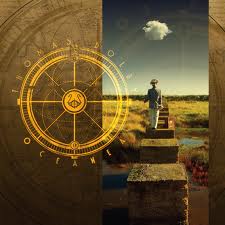
This summer, Thomas Dolby [perhaps best-known for 80s hit “She Blinded Me with Science”] will release his first full-length album, A Map of the Floating City, in 20 years. In the garden of his East Anglia beach house, Dolby writes and records aboard a solar and wind-powered 1930s lifeboat. The three-track EP called Oceanea came out on March 28.
Dolby broke onto the music scene in 1982 with his synthpop style with The Golden Age of Wireless. After releasing several more albums, Dolby quit music in the early 90s. He moved to Silicon Valley and founded the tech company Beatnik Inc. He co-invented the polyphonic ringtone synthesizer which Nokia embeds in its mobile phones. In 2001 he became Musical Director of the TED Conference, an annual event in Long Beach, California.
Fans can access Dolby’s music early through a social network-based game, The Floating City, to be launched this spring via Facebook, Twitter, and The Flat Earth Society.
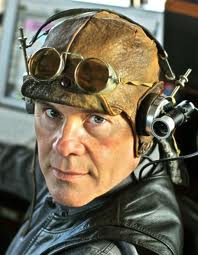
I recently had the opportunity to interview Thomas Dolby.
Amy Steele: Why have you decided to release an album after a twenty-year hiatus?
Thomas Dolby:I like the way the music business is heading. Technology has finally stripped away the bogus marketeering, and it’s becoming a meritocracy. And the Industry is no longer there to force musicians into an unnatural cycle of singles, albums and tours. We can make music at our own pace and release it directly to the audience, without first having to win favour with roomful of executives in satin tour jackets.
Amy Steele: What effect has being the musical director of TED had on you?
Thomas Dolby:It’s made me realize what an appetite there is in the world for entertainment that is also thought-provoking, eclectic, against the grain. And I’ve met some fantastic musicians that also really care about the state of the planet: people like Tracy Chapman, Natalie MacMaster, Paul Simon, Jason Mraz, and Jake Shimabukuro.
Amy Steele: You write and record on a solar and wind-powered 1930s lifeboat. How did you choose that?
Thomas Dolby:I live on the beach in East Anglia [Eastern coast of England] and my garden floods from time to time. It was not an option to build the proverbial garden shed studio. So I looked for something that would float. Now when the waters come I will rise up like Noah. (Well actually that’s not quite the case as I punched a 5-foot doorway in the hull.)
Amy Steele: Your current EP, Oceanea, is relatively simple in style and mellow. How has your songwriting process changed over the years?
Thomas Dolby:Mellow, yes. Simple, no… though I take it as a compliment that you thought so. ‘Simone’ has the most complicated chord sequence I have ever written. It covered 5 sides of large scale manuscript paper. I guess since I have returned to music I am focused on the essence of the song, not the frills. I have no desire to wow the audience with my production technique. There’s plenty of that out there. But there’s a dearth of real songwriting talent, lyrics and structure and storytelling, and that’s something I actually do rather well.
Amy Steele: How are the songs on Oceanea different than what someone might expect from you?
Thomas Dolby: Well, when I look back at the first chapter of my career I certainly touched the largest number of people with my quirky synthpop persona as in ‘She Blinded Me With Science’ and ‘Hyperactive’. But I touched people the most deeply with my more intimate, atmospheric stuff, like ‘Screen Kiss’ and ‘I Love You Goodbye.’ Those are the songs that people kept listening to over the years I was away. They endured. Whereas the more poppy stuff has been supplanted and overwritten a thousand times. Now I have little patience. And I have no record company to demand I keep feeding them pop fluff. So I’m not going to waste any time, I’m just getting to the heart of the matter.
Amy Steele: Can you explain to me your system where fans can access your new material through a social-networking game?
Thomas Dolby: Yes. It will launch in a few weeks, and run for three month up to the release of my album A Map Of The Floating City in the summer. You can access the game for free through your web browser. It’s set in a kind of 1930s that might have come to be had the strange experimental weapons of that time come to fruition. There were sonic cannons and Tesla death rays. In the game, tribes of players collaborate to explore what’s left of the planet following an event of mass destruction. Survivors take to the oceans in the hulls of abandoned vessels, and eventually they raft up, like the merchants’ barges in Tokyo harbor in the 17th century. A strange kind of barter culture emerges, a form of ‘maker’ society where players cobble together inventions using relics from the past. Most of this is done in text form, you understand, it’s a kind of collaborative fiction, not a 3d shoot em up. And as you explore the game, you will discover new songs from the 3rd and final EP from my album, ‘Urbanoia’.
Amy Steele: I think social networking is extremely important for today’s music artists. If you agree, why do you think it is or what role does social networking play for the musicians?
Thomas Dolby: It gets you close to the fans and involves them in the creative process. Gives them a stake in what you’re doing. Take Imogen Heap. She involved her fans right from the period where she was writing songs for ‘Ellipse.’ She would put up Version A and Version B of a bassline and get their input. When she was ready to think about the album cover she asked for artists to submit ideas. She could call for a flashmob and with 3 hours notice, fill a Borders or a Starbucks for an impromptu listening party. And in between she tweeted about what she crumbled on her salad at lunchtime. The Record Industry hates that, because they want everything to be geared to a single, rigid release date. But we don’t make music that way, never did!
Amy Steele: When you left the music business and worked in Silicon Valley, what were the greatest challenges to you and what was the best aspect of it?
Thomas Dolby: It seemed like a very grown-up industry. Creative flair is highly prized. Then when it’s hard to turn into a product, people tackle problems, get round a whiteboard, come up with a solution, implement it, test it. And the money people fund all of this, so we got to play all day like kids in a futuristic playground. I liked that approach! The challenge was for me that, as an entrepreneur, the clock is always ticking. The longer it takes you to hit ‘pay dirt’ the more diluted you become, and you end up owning only a small fraction of your own company. You lose not just equity, but also control, as the VCs and engineers and accountants start to smell money. In a way I’m totally ill-suited to being a businessman, because right at the point where the money starts to flow, I lose interest.
Amy Steele: How did you come up with the idea for the polyphonic ringtone synthesizer?
Thomas Dolby: Oh, that was anything but an act of inventive genius. And it was not my idea. Not solely, at least. My company Beatnik had some brilliant engineers and we had made a very small, efficient software synth. Nokia, the biggest cell phone maker in the world, was starting to see Japanese cell phones with a polyphonic MIDI chip. Nokia didn’t want to pay the money per unit for a dedicated chip, so they looked for a small synth. Bingo. They asked us to send engineers to Finland and come up with a format for doing ringtones. They encouraged us to publish it as an industry standard, so that their competitors would be forced to fall into line. And it worked like a charm. They shipped billions of phones with Beatnik embedded. The rest of the industry came to us to license the engine. But it was short-lived, because as MP3 and WAV ringtones became possible, there was no longer a need for a synth. So now it’s doomed to be a question on a Trivial Pursuits card: Thomas Dolby invented A. Liquid paper? B. Ringtones? C. The Internet?
Amy Steele: What do you envision to be the greatest change in the music industry in the next five years?
Thomas Dolby: More and more sophisticated tools for doing targeted marketing of music to fans. Highly targeted advertising, detecting trends early on and focusing marketing dollars where there is already a germ of interest. These will slash the cost of releasing music. However, they will be beyond the grasp of the musicians, so a new kind of management/label/promotions company will emerge, and bands will choose one to help release their songs. However instead of relinquishing rights, bands will retain the rights and the power, and just give up single-figure percentages to those that can work the tools.
Amy Steele: What can listeners expect from your full-length release, A Map of the Floating City, coming out this summer?
Thomas Dolby: It will be my best album! A wide spectrum of music idioms, and some great storytelling, I hope. It will probably upset a few people who have preconceptions about their, or my musical tastes. But I’ve never been scared to upset a few people! The apple cart needs tipping over from time to time.
Thomas Dolby’s twitter
Share this:

About Me

covering mostly music and books. focus on alternative/indie and women in music, literature and the arts. feminist. vegan. mostly alternative, a bit bohemian. Masters in journalism from Boston University. BA from Simmons College.



Entertainment Realm by Amy Steele is licensed under a Creative Commons Attribution-Noncommercial-No Derivative Works 3.0 United States License.
Based on a work at entertainmentrealm.comCopyright © 2009. All writing, unless otherwise noted, by Amy Steele.
 ENTERTAINMENT REALM
You must be logged in to post a comment.