Archive for category Interview
STEELE INTERVIEWS: Esthema
Posted by Amy Steele in Interview, Music on January 25, 2015
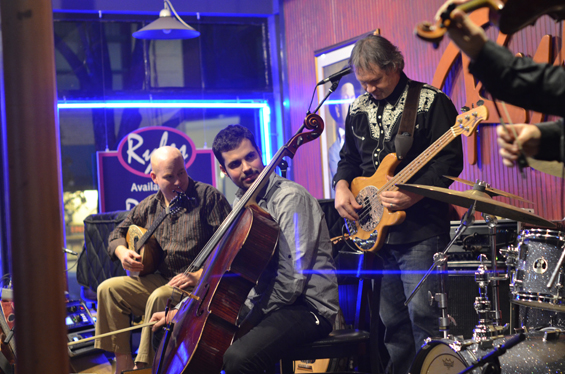
Esthema (source: band website)
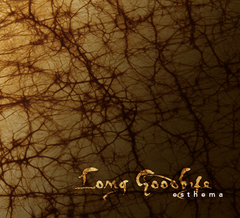
On June 3, 2014 Esthema released their third CD, Long Goodbye–beautiful, layered, semi-dark with unusual instrumentation and Middle Eastern elements. I don’t listen to a ton of jazz or progressive instrumental music [I do love Bee vs. Moth.] but when I do it must grab me in some manner. With Long Goodbye, I become engulfed in its sad prettiness.
Esthema are: Andy Milas [guitar]; Onur Dilisen [violin]; Mac Ritchey [oud and bouzouki]; Naseem Alatrash [cello]; Tom Martin [bass] and George Lernis [drums and percussion].
With the goal to compose songs on his own, Andy Milas formed the band in 2006. He’s first-generation Greek, born in Boston. He loves Greek music and wanted to incorporate that into other styles of music. He said he wanted to include elements of jazz, rock and classical. Onur, a native of Turkey, has been with Andy from the start. His mom was a music teacher. Onur is a classically trained violinist and graduate of Boston Conservatory. He started learning Turkish music.
WMBR has played songs from the latest release on a program called “New Edge.” The band hopes to put together a video soon to attract more varied attention. The band dislikes Spotify. If you’re into the 90s site MySpace, they’re there. First band in the past seven years I’ve seen on MySpace. I wonder how much money they make when you listen to a song on MySpace. Esthema is a Greek name that means feeling/emotion.
I sat down with Andy and Onur recently at Diesel Café in Somerville.
Amy Steele: What do you think attracts people to instrumental music?
Andy: People have to interpret the music. Lyrics sometimes make it obvious. [There’s an] attraction to instrumental music. This sets a mood that music with lyrics doesn’t.
I played them a few songs from Bee vs. Moth and they weren’t impressed. I think Bee vs. Moth is superb in soundtracks, memorable music, emotive instrumental music. Bee vs. Moth possess an enviable swagger. Maybe the use of horns, which they noted, makes it less serious compared to their compositions. Bee vs. Moth are successful in what they do and tour across the United States. I’m just a music critic. I am not classically trained nor can I play any instruments.
Amy Steele: What are the challenges in establishing a fan base in Boston area?
Andy: Boston is not inviting to instrumental music, world fusion, acoustic in this area and we need to keep up with the bar crowd.
Amy Steele: What makes Esthema stand out?
Onur: Sincerity. We play honestly and with pure intentions. Gentlemen and with a good heart.
Andy: Everyone comes from different backgrounds but we always connect with music. Esthema is a microcosm of the world.
Amy Steele: What’s the live show like?
Andy: There are improvisational moments—we’re always working with arrangements and will take liberties live. It’s an organic experience.
Amy Steele: What makes a good song?
Andy: We have compositions not songs. It’s about satisfaction for the player and the audience. Whenever we think we like it a lot when we play it live it works.
Onur: We have a good idea of what we do and what we like.
Amy Steele: What are your goals for Esthema?
Andy: We need to find an audience where enough people take us seriously.
Onur: This music deserves it. There are very cinematic elements.
Andy: We take ourselves seriously so it’s hard to be considered fun.
[And that’s in the light sense for video or marketing purposes. But serious bands need not be penalized and expected to do things, create something that doesn’t represent them.]
Esthema will perform January 29, 2015 at Ryles in Inman Square Cambridge. 8:00pm and 18+. Tickets are $10.00.
Share this:

STEELE INTERVIEWS: Sallie Ford
Posted by Amy Steele in Interview, Music on November 5, 2014
Several years ago I saw Sallie Ford and The Sound Machine (her then-band) at the Newport Folk Festival. Energetic, fun and eclectic. She’s got a cool way to combine retro with present mingling in jazz, folk, rockabilly and rock. On this new album, Slap Black, Ford’s steering away from the retro and charging forward with the altrock vibe. She also split with The Sound Machine and has a new all-girl backing band. Sallie Ford grew up in Asheville, NC always playing music. In 2006, she relocated to Portland, Ore. where she met her band The Sound Outside. Together they released three albums and an EP then parted ways in 2013.
I recently interviewed Sallie Ford via email, the worst possible way to conduct an interview because there’s an inability to connect, to ask follow-up questions or clarify one’s questions. But that’s the only choice I had. The result: some rather prickly answers.

Amy Steele: Absolutely fantastic that you have an all-girl band.
Rare these days. I did see the Retro Futura Tour
recently and Tom Bailey [Thompson Twins] had an all-girl band. I was
impressed. What effect has an all-girl band had on your music, on
touring?
Sallie Ford: I love my new band. The new effect they have on my music and touring
has nothing to do with how they are women, it’s ’cause they are awesome people and hard working!
[AS: I find this answer interesting and evasive. It’s clear women are still having issues as women in the music business. It’s rare to have an all-girl band. And I’d read that Ford intentionally formed an all-girl band. in fact here’s a quote from her publicist: “The beginning of this year Sallie fulfilled her dream of starting an all-girl rock n’ roll band and in February of 2014, the band went into the studio with producer Chris Funk to begin recording Slap Back.” ]
It worked out well that they are into being healthy on tour which I think is extremely important. We eat very well (lots of veggies and no junk food), and today we are gonna stop in
Theodore Roosevelt National park and do some hiking. Staying healthy on tour is so important, ’cause touring is an extremely difficult job. It’s very annoying to hear how most people romanticize touring. I know I’m lucky to do it and I love playing music, but I just don’t think
people have any idea how hard it is. As far as the music, it’s great to play with new musicians and learn from them.
Amy Steele: You say that this album is an “ode to all the babe
rockers.” Who do you admire and who has influenced your music over the
years?
Sallie Ford: I have been influenced by sooo many different things over the years.
When I first started writing music, I loved Tom Waits, Regina Spektor,
Fiona Apple and more. Then, I remember I played with this band called Basemint from Tacoma,
like four years ago. They were a high energy garage rock band and I was
smitten. My guitar player at the time said “Well if you like that, you
should listen to The Sonics”. I did and discovered a bunch of other
music from the ’60s that I hadn’t heard before. So the second record I
made was more influenced by surf and garage rock. Same as the “Summer” EP I made with The Sound Outside.
The new record has lots of influences, like Skeeter Davis, The Monks,
Link Wray, T Rex, PJ Harvey, X, Heart, The breeders, The Pixies, Joan
Jett and I’m sure I’m forgetting some others.
It’s just _______ rock. Fill in the blank. It all has cross-over.
Amy Steele: Do you feel like a solo artist now with a new backing band
or as someone in a new band? What is your writing process and how does
the new band participate in songwriting?
Sallie Ford: Definitely feels like I’m in a band. [AS: yet going by your name like a solo artist would and not calling the band a band.] That’s why I’ve always gravitated
towards playing music as an art form, because it’s collaborative. This album was different ’cause we brought in Chris Funk to produce. I wrote all the lyrics, guitar chords and melodies, and the band
figured out their parts and Chris helped with the arrangements and
style of the record.
Amy Steele: Your sound was definitely retro and you can hear it on
some songs on your new album but you’ve brought in many other
elements. What made you decide to mix it up?
Sallie Ford: I will forever want to mix things up. That’s the point of creating
music. Challenging yourself to do something different and learn. I didn’t really like being stuck in the retro box either. Most bands are retro anyway, ’cause I bet a lot of their influences are from the past. I make my music, and that can be whatever I want it to be.
Amy Steele: How is your live show different from your album?
Sallie Ford: We play some of my old songs and the energy is different I guess. We
blend the old sound and the new I guess you could say.
Amy Steele: What makes a good song?
Sallie Ford: Honest lyrics and a catchy melody
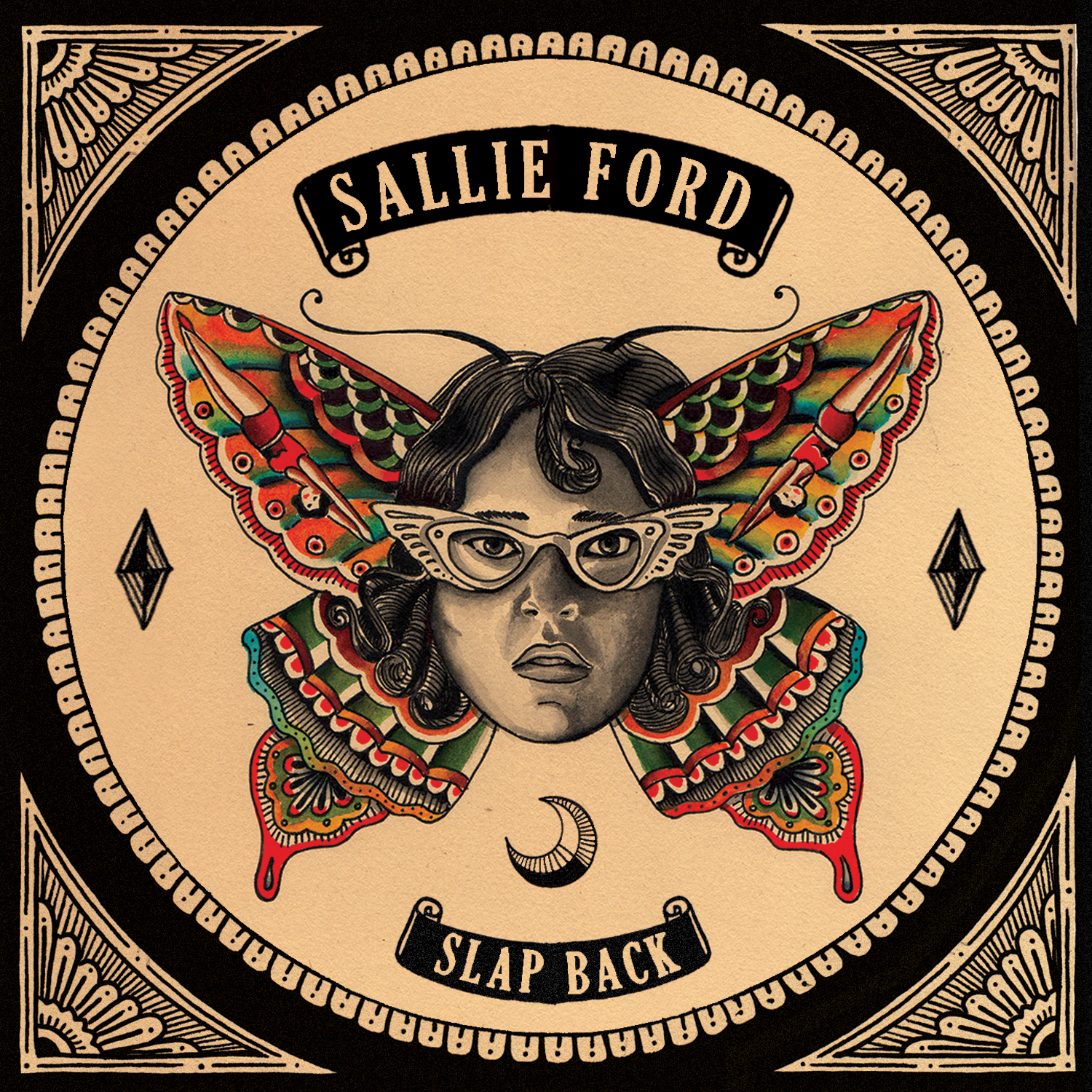
Amy Steele: Let’s talk about some songs on the new album, Slap Back. Tell me how you came up with
the following:
Sallie Ford: I’m guessing you mean lyrically? [AS: not necessarily. it’s whatever you want to tell me about the songs but it was email and I couldn’t explain that.]
“Coulda Been”
Sallie Ford: Is about games people play in new relationships.
“Workin’ the Job”
Sallie Ford: Is about being funemployed.
“Oregon”
Sallie Ford: Is about the crush I have on the state I live in.
“Hey Girl”
Sallie Ford: Is a song for my best friend.
“Let Go”
Sallie Ford: Is about lettin’ loose and partying.
purchase at Amazon: Slap Back

Sallie Ford kicks off a North American tour tomorrow, November 5, in St. Louis and will be in Boston on November 12 at Great Scott.
TOUR DATES:
11.05.14 – St. Paul, MN – Turf Club*
11.06.14 – Chicago, IL – Empty Bottle*
11.07.14 – Grand Rapids, MI – Pyramid Scheme*
11.08.14 – Toronto, ON – The Great Hall*
11.09.14 – Montreal, QC – La Sala Rossa**
11.11.14 – Northampton, MA – The Parlor Room*
11.12.14 – Allston, MA – Great Scott**
11.14.14 – Brooklyn, NY – Rough Trade**
11.15.14 – Philadelphia, PA – Milkboy**
11.16.14 – Washington, DC – Rock and Roll Hotel**
11.18.14 – Asheville, NC – Grey Eagle**
11.19.14 – Nashville, TN – Exit/In**
11.20.14 – St. Louis, MO – Off Broadway**
11.21.14 – Kansas City, MO – Record Bar**
11.23.14 – Denver, CO – Larimer Lounge*
11.24.14 – Salt Lake City, UT – Urban Lounge
11.25.14 – Boise, ID – Neurolux
12.02.14 – Arcata, CA – Humboldt Brews
12.03.14 – Felton, CA – Don Quixote’s International Music Hall
12.04.14 – San Francisco, CA – Bottom of the Hill
12.05.14 – Los Angeles, CA – Satellite Club
12.06.14 – Santa Barbara, CA – Velvet Jones
12.09.14 – Eugene, OR – Cosmic Pizza
12.10.14 – Seattle, WA – Tractor Tavern
12.11.14 – Bellingham, WA – The Wild Buffalo
12.12.14 – Vancouver, BC – Media Club
12.13.14 – Portland, OR – Wonder Ballroom
* with Crooked Fingers
** with Crooked Fingers & And The Kids
Share this:

STEELE INTERVIEWS: author Alyson Richman
Posted by Amy Steele in Books, Interview on October 27, 2014
“Elodie couldn’t get what Lena told her out of her mind. Par ot her was impressed with Lena’s courage, while another part was concerned for her friend’s safety. It was no secret what the Fascist police would do to her should she get caught. Their beatings and torture were a well-known threat to everyone in the city. Many people had simply vanished after being arrested, while others were sent back to their homes severely beaten, their scars a visible reminder of who was in charge of Italy. It was reason enough to stay away. That, and the fact that Elodie could only imagine how devastated her parents would be if anything happened to her.”
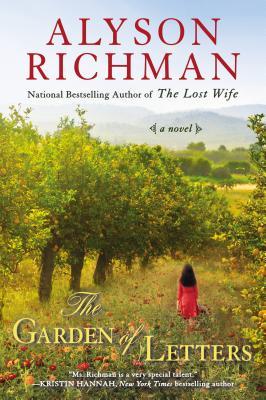
Think you’ve heard all the stories about WWII. Think again. The Garden of Letters by Alyson Richman focuses on the Italian Resistance. Elodie, a young student and cello player, becomes involved in the Italian Resistance when artists and teachers at her school become targets for Mussolini’s Fascist regime. Her own father gets taken away and beaten while he’s questioned. Elodie starts attending clandestine meetings and carrying out missions through her music for the resistance. She plays codes through her music. She falls in love with bookseller Luca, a Resistance leader. When Luca is killed and she finds herself pregnant, Elodie escapes to the coastal town of Portofino. A widowed doctor (his wife and child died during childbirth) still in mourning and longing to care for someone takes her in and they slowly open up to each other.
“There was also something about the smell of bookshops that was strangely comforting to her. She wondered if it was the scent of ink and paper, or the perfume of binding, string, and glue. Maybe it was the scent of knowledge. Information. Thoughts and ideas. Poetry and love. All of it bound into one perfect, calm place.”
I savored this novel and learned much about the Italian resistance movement and its use of codes and the arts. The Garden of Letters truly delighted me. Choosing to have her main character, Elodie, be a music prodigy and able to contribute to the movement through something she’s passionate about propels the novel in magnificent ways. Richman writes superbly and with splendid detail. Elodie is a charming, smart, intense woman and from the start you root for her and want her to success and find her bliss.
“Elodie has something that is completely her own. Her music is the root of her sorcery. She fills the air with it. She uses every part of her body when she plays: her fingers, her arms, her neck, and her legs. He simply cannot take his eyes off her.”
The Garden of Letters
Berkley Trade [September]
RATING: *****/5*
Alyson graciously took the time to speak with me about the novel and her writing process.
Amy Steele: I can’t believe this is the first novel of yours I’ve read. I will remedy that soon. And finally I’m getting questions to you. Apologies again about the rescheduling. You went to Wellesley College. I went to Simmons College in Boston. I loved the experience at an all-women’s college. What did you take away from your years at Wellesley?
Alyson Richman: I loved my years at Wellesley. Because it was a woman’s college, my social and academic life was kept completely separate. This helped me to maintain a sense of focus that I might not have had if I went to a co-ed college. The intimate, yet challenging, atmosphere also enabled me to build a sense of self-confidence and to believe a career in the arts was even possible.
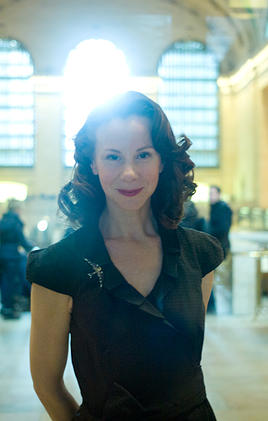
author Alyson Richman
Amy Steele: How did you become a novelist?
Alyson Richman: Actually, I first started thinking about becoming a novelist during my senior year at Wellesley. One of my art-history professors told me that I had a particular gift for telling the story “behind the painting.” As graduation approached, I remember thinking to myself: “If I could do anything in the world, what would I do?” And I told myself that what I’d really love to do was write stories that centered around the lives of artists. I had spent a year in Kyoto as an apprentice to a Noh mask carver, where it took me over a year to carve a single mask. [AS: amazing.] I remember thinking to myself during that time, here I was a Western woman studying a traditional Japanese art form, when did the reverse occur? When did the first Japanese artists start studying Western-style art? When I asked my art-history professors upon my return, no one knew the answer. I immediately thought this would be wonderful backdrop for a novel. I then applied for a grant upon my graduation, which enabled me to research the first Japanese artists who left there at the turn-of-the-century to study painting under the French Impressionists. I began writing my first novel The Mask Carver’s Son about the son of a Japanese mask carver who forsakes his family’s artistic traditions to study in Paris under the Impressionists.
Amy Steele: You write historical fiction. What appeals to you about the genre?
Alyson Richman: I love learning about something new with each book I write. The research part is truly one of the best aspects of my career. I love traveling to the countries I’m writing about, learning about a foreign culture, the food and traditions, and observing the landscape. When writing historical fiction, I also use photo archives and, in the case of my novels that take place during WWII, I try to locate people who were alive during that time who might be able to share their stories. I learn so much from the research part, and I love weaving that into my novels so my readers learn alongside the narrative.
Amy Steele: The Garden of Letters focuses on the Italian Resistance during WWII. Where you got the initial idea for the story is interesting. How did you come up with it?
Alyson Richman: I was at a dinner party when someone shared with me a story about how her father escaped from Hungry through Italy during WWII with forged papers. When this friend’s father arrived in Portofino, German guards were scrutinizing everyone’s papers so carefully, he was sure he was going to be arrested. Suddenly, out from the crowd, a big barrel-chested Italian man cried: “Cousin, cousin, I’ve been waiting for you all week. Thank heaven’s you’ve come!” He seemed to know the German guards, and was able to whisk my friend’s father away and take him back to his home on the cliffs of Portofino. When my friend’s father asked this man why he saved him, as he clearly wasn’t his cousin, the man replied: “I try and come to the port every month. I try to save the person who looks the most afraid.” When I heard that story, I immediately thought it would make an amazing beginning to a novel. I imagined the two people who meet at this port. One fleeing and in need of shelter, the other person who senses his fear. Two lives intersecting without either of them uttering a single word between them.
My novel prior to The Garden of Letters was called The Lost Wife. It took place in the Czech concentration camp, Terezin, so I knew I didn’t want to do another Holocaust novel. I began to research women in WWII Italy and learned about these female messengers who risked their lives working for the Resistance by transmitting important information during the war, many times the information was not written down, and if it was, it was done in code. I decided to make my main character a cellist, because I wanted the codes she transmits to be done through her music playing. In The Lost Wife I explored how art was used as a form of resistance during WWII. In The Garden of Letters, I focus on how music was used.
Amy Steele: Your descriptions are beautiful and you’ve done impeccable research. Can you explain your research process?
Alyson Richman: I made three trips to Italy. The first was purely a visual trip, where I visited the northern cities that the book takes place in: Verona, Mantua and Venice. I also tried to make new contacts that would be helpful for my research. I was able to connect with people who introduced me to their more elderly relatives who shared their memories of life during wartime. The second trip, I hired a translator who helped me with my interviews of messengers in the Italian Resistance, partisans who had fought in the mountains, and people who were connected somehow to the material. The third trip I went to Liguria to see the coastal villages of Portofino and San Fruttuoso, which also are settings in the book. You can actually see many of the photos from my research on my website: Alysonrichman.com
Amy Steele: You said that you’ve always added art and painting to your novels and this is the first time you’ve written about music. What drew you to make Elodie a musician?
Alyson Richman:Almost all my previous novels deal with painters. I’m the daughter of an abstract painter, who always taught me to see the world with an artistic lens. I even considered a career as an artist myself right around the time I began applying for college. But in The Garden of Letters I wanted to challenge myself with something new. I wanted to see if I could write through the eyes of a musician and explore how she might be able to use her talents to do something original and help those who are resisting German occupation.
Amy Steele: What do you like best about Elodie?
Alyson Richman: I love her memory. I love that her mind and her ability to remember everything with such razor precision is what sets her apart from her peers. When I visited Venice, I was told that Venetians have a particularly strong visual memory because they live within a labyrinth, where it’s difficult to remember all the street names but one can give directions that are grounded in a visual sight. I love connecting Elodie’s natural ability with her maternal bloodline.
Amy Steele: Were Elodie’s actions and interest in the resistance unusual for the time or were a lot of students getting involved? She risked a lot.
Alyson Richman: It’s hard to say exactly how many students were involved at the time because so much of the Resistance occurred underground and with great secrecy. There was, however, a lot of recruiting done from the university campuses amongst students who felt impassioned to fight against the looming threat of German occupation.
Amy Steele: You add in some real-life characters to the novel—Rita Rosani, Brigitte Lowenthal, Berto Zampieri and Darno Maffini. Why did you choose to do that and what were the challenges?
Alyson Richman: I decided to set the novel in Verona, Italy because years ago, on a family vacation, I saw a plaque on the outside wall of the synagogue there honoring the fallen partisan, Rita Rosani. I had never heard her name before and our guide told us that she was one of Verona’s most beloved partisans who died in battle on the Monte Comune in the nearby mountains. Little is known about this woman who was only 23 when she died, other than that she was a former school teacher who died bravely in battle and that she was Jewish. When I began researching other members in the Italian Resistance in Verona, I learned about Brigitte Lowenthal, Berto Zampieri and Darno Maffini. I love interweaving into my stories little-known historical figures. Many of these people have done incredible and heroic acts that required great risk and sacrifice and I love shedding light on them and sharing their accomplishments with my readers.
Amy Steele: What is your favorite thing about The Garden of Letters?
Alyson Richman: My favorite part of the novel is the scene in which Dalia constructs the room in Angelo’s house that contains the garden of letters. I think it’s one of the most poetic and visual chapters in the novel. I’m particularly biased about this scene because it was one of those unscripted, magical moments in writing when the characters start doing something you hadn’t planned. It sprang from an image I had of Dalia kneeling on the floor, cutting the paper, preparing the glue, and it just began to grew from there. The character literally took over and created something artistic within the pages of the novel, and I just love when that happens.
Amy Steele: Thank you SO much Alyson! I look forward to speaking again soon.
if you enjoy my interviews please consider donating so I can keep doing what I’m doing. Every dollar helps. Make a Donation button at right on my site.
purchase at Amazon: The Garden of Letters


Share this:

Throwback Thursday: FUZZY interviews [playing WMBR Pipeline! Anniversary show #8]
Posted by Amy Steele in Interview, Music on October 2, 2014
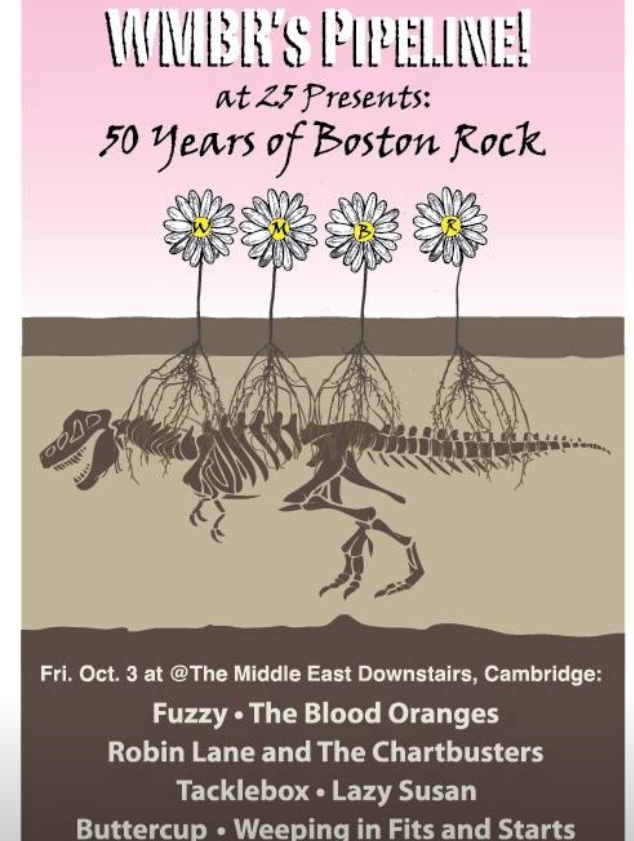
interviews with Fuzzy in 1996 and 1999 for INSTANT magazine.
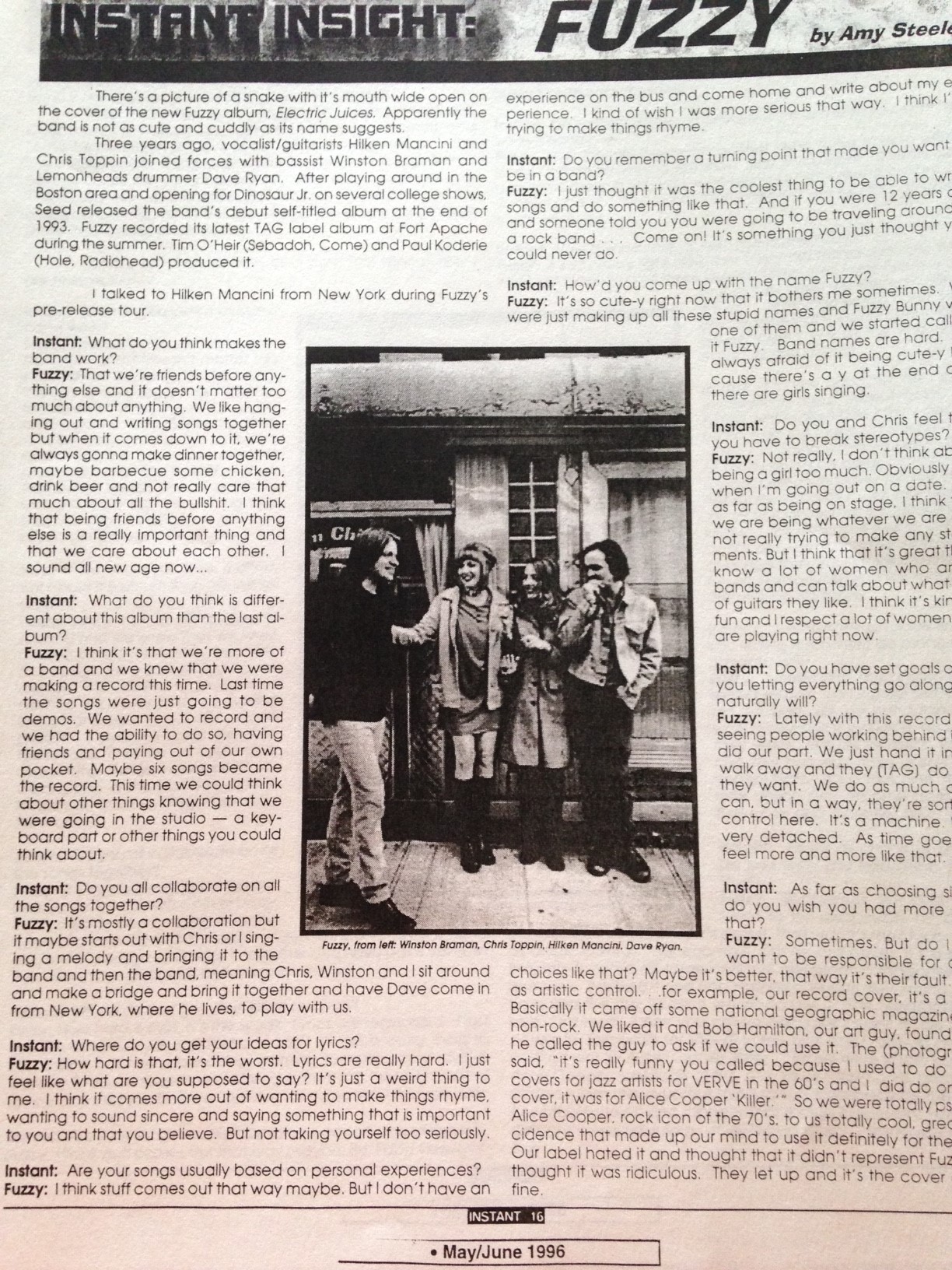
Here’s are a few excerpts from my 1996 interview with singer/guitarist Hilken Mancini:
Amy Steele: What do you think makes the band work?
Hilken Mancini: That we’re friends before anything else and it doesn’t matter much about anything. We like hanging out and writing songs together but when it comes down to it, we’re always gonna make dinner together, maybe barbecue some chicken, drink beer and not really care that much about all the bullshit. I think that being friends before anything else is a really important thing and that we care about each other. I sound all new age now . . .
Amy Steele: Do you all collaborate on all the songs together?
Hilken Mancini: It’s mostly a collaboration but it maybe starts out with Chris or me singing a melody and bringing it to the band and the then the band, meaning, Chris, Winston and I sit around and make a bridge and bring it together.
Amy Steele: Do you remember a turning point that made you want to be in a band?
Hilken Mancini: I just thought it was the coolest thing to be able to write songs and do something like that. If you were 12 years old and someone told you you were going to be traveling all around in a rock band . . . Come on! It’s something you just thought you would never do.
Amy Steele: Do you and Chris feel like you have to break stereotypes?
Hilken Mancini: Not really. I don’t think about being a girl too much. Obviously I do when I’m going on a date. But as far as being on stage, I think that we are being whatever we are and not really trying to make any statements. But I think that it’s great that I know a lot of women who are in bands and can talk about what kind of guitars they like. I think it’s kind of fun and I respect a lot of women that are playing right now.
NOTE: Hilken has been running Girls Rock Band Camp Boston for years now.

Hilken in her band Shepherdess
from a 1999 profile:
on lyrics, writing songs:
Chris Toppin: I don’t analyze ideas. I do it subconsciously and it’s almost like therapy. When I look back on it and think that’s what I was thinking, it’s scary.
Hilken Mancini: There is a driving sense that I want to say something or need to do this. I have to explain things to myself through songwriting. We’re coming from a more personal place than before.”
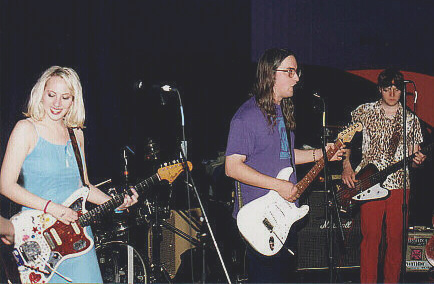
Fuzzy at record release party in 1999
on touring:
Hilken Mancini: The fact that you can write songs and share them with people is great. It’s amazing because that’s something I can do. I like going on tour and figuring out what to wear and what make-up to put on.
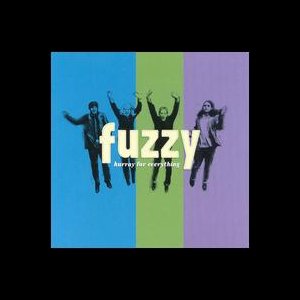
on album Hurray for Everything:
Chris Toppin: Hurray for Everything is a documentation of us and how we feel about each other and how we work together. It’s now more rhythm oriented. We have a better idea of what we want to hear.
on the band:
Winston Braman: We try to have a good time and hope it is infectious for the audience. We hope everybody is on the same wavelength and enjoys it. You wan that idea that ‘I want to have what they’re having’ when you see a band.
Hilken Mancini: We’re honest with each other, like friends would be instead of egos butting heads. It is not about anything but maintaining the relationship.
purchase Fuzzy at AMAZON: Electric Juices


FUZZY will be performing at WMBR Pipeline! Anniversary Show #8 at Middle East Downstairs on Friday, October 3.
Share this:

STEELE INTERVIEWS: singer/songwriter Lilla
Posted by Amy Steele in Interview, Music, Women/ feminism on September 29, 2014

Recent Berklee College of Music graduate Lilla possesses a powerhouse, enthralling voice. She blends blues/soul with gorgeous, moving results. Lovely melodies and thoughtful lyrics. Her upbeat and rather mindful impassioned album, The Awakening, is out now. Lilla self-produced the album and she recorded at several studios including Bob Marley’s studio, Tuff Gong, in Kingston, Jamaica and in her hometown of Portland, Oregon. She’s a poised, sweet-tempered and fascinating woman. Fantastic spirit. Smart. Centered. In October she’s opening on some West Coast dates for Mos Def and reggae artist Hollie Cooke [daughter of the Sex Pistols’ drummer].
We sat down at Pavement Coffee recently to chat. We spoke for well over an hour and if I didn’t have to go somewhere, we could have talked for longer. Candid conversation about all sorts of subjects ranging from her Berklee education to women in music.
Amy Steele: What drew you to the soul/ R&B music?
Lilla: I can thank my mother for that. I grew up listening to all Motown. The Supremes, Stevie Wonder, Smokey Robinson. a lot of Jimi Hendrix too. People associate Jimmy with rock but before that he was raised on the blues circuit. He’s definitely got a lot of soul and blues in his music. My mother always had something playing. That’s what she grew up listening to and I can see why. I appreciate the Motown music more than a lot of what’s out there.
Amy Steele: Before you came to Berklee, you played piano at a young age. Did you teach yourself to play piano?
Lilla: I grew up with a piano in my house and I used to always go and mess around on it. I tried to take lessons at age 8 or so and the teacher told my mom, ‘she doesn’t need to take lessons. She can figure it out by ear.’ Which is good to an extent but I wonder how I would’ve turned out if I had had lessons since the age of 8 versus learning to read when I got to Berklee. I never knew how to read until then. It’s definitely good to have an ear for stuff to figure it out and play it but it’s also good to be a good reader and know your music theory. I feel confident now that I know it but I didn’t know it until I studied it in school.
Amy Steele: You also sang in a choir. Is that when you realized you could sing and liked to sing?
Lilla: I thought it wasn’t until high school that I got serious about singing and knew I wanted to be a singer. Before that I was really into dance—modern, tap, ballet. Little kids have dreams that are valid but they’re also all over the place. In high school I joined a gospel choir. And that just really got me. The power of the music and all the harmonies. Strong singers. I don’t practice a particular religion but the spirit of the music moved me so much, I became really passionate about it.
Amy Steele: What did you study at Berklee?
Lilla: I went to Cal State Long Beach for two years before attending Berklee because I got a pretty good scholarship there. I planned to get all my liberal arts [requirements] out of the way and then just go take the music classes somewhere else. Berklee only accepted part of those so I almost had to start over.
I studied professional music. That was my degree. So basically you get to tailor your own degree with professional music and you get to dip into the other degrees. If you know what you want to do, know what classes you want to take and what you want to learn to do then it’s good. I took some jazz composition because I have always been in love with jazz singing and writing and composing. I took some production and engineering so I could be more self-sufficient.
Before I came to Berklee I got very frustrated working in the industry with producers and having to depend on someone else without a huge budget to entice them. Your projects get put on the back burner. Ideas get forfeited. It was something I wanted to learn. If I have a project I want to do, if I have to, I want to do it all on my own and not depend on anyone else.
I took some piano classes, a lot of jazz techniques. I thought that would help the music I wanted to play. I took a couple of songwriting classes. I got some good things from them. I took a lyric writing class which helps when you’re writing and you get stuck so they showed me ideas to get out of that. But the songwriting department wasn’t really for me. I took a cool performance class with a professor named Lawrence Watson called “Foundations of Singing with Soul.” So we did all kinds of really awesome music.
Amy Steele: How do you think studying at Berklee has helped you now?
Lilla: I feel more confident when I’m having to see a project through or having to communicate with other musicians. The thing that made me want to go to Berklee was when I had an idea in my head and wasn’t able to bring it to life. Now I feel like I’m much more confident in bringing a song in my head to the world and making it real. It’s not as easy as I thought it would be. They say music is a language and the better you can communicate your ideas, the better your art will be. I really think it helped me to do that.
Amy Steele: How do you write your songs? What’s your process?
Lilla: Sometimes I’ll hear a melody or a melody with words in my head. Sometimes I hear them in dreams. Other times I’ll just be messing around on the piano and come up with a cool melody or progression and I keep playing through that and some lyrics will come. Sometimes someone will bring a composition to the table and I’ll be inspired by that. Or I’ll be on the guitar strumming some chords. It’s never one way. It’s usually the music inspires the lyrics and the melodies.
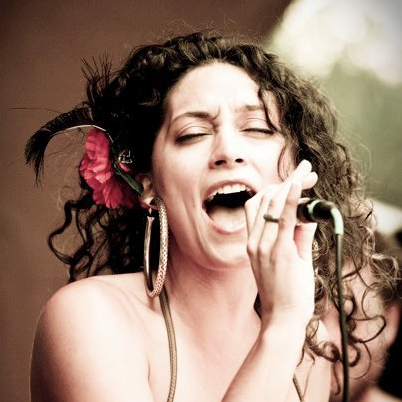
Amy Steele: What do you think makes a good song?
Lilla: Something that people sing along to and I’m speaking as a singer. When I say sing along to, they can hum the melody. Something that sticks it in your head. Also something people can connect with.
Amy Steele: You have a lovely voice and you have so much range in all the songs how did you develop the range that you have?
Lilla: I think I always had the range and I account that to swimming. I used to be a competitive swimmer. One of the things I would work on that we worked on while I was swimming– we would try to breathe the littlest amount possible as you can. So I would swim the length of the pool and breathe once down and back. A lot of times the way I look at being able to sing dynamically and having a good range is using your body. It is not just your voice that does this thing. you’re using your diaphragm, your abdominal muscles, your lungs to project the notes.
Part-time I teach voice lessons and everybody wants to expand their range. it is a pretty common thing to develop further range. I really work on developing these muscles around here [indicates her abdominal region]. So they’re not really singing from here [gestures to throat] they’re using their whole body. But I did study in college. Berklee makes you take voice lessons and I had some great teachers.
Amy Steele: How do you maintain your voice?
Lilla: I try to keep my cardio in good shape. It is really amazing I could show you what I show my students. When you realize how much of your body you can use, your lungs go all the way back here. When you think about singing from there it gives you so much power. I try to either swim or jog or do something to keep my cardio strong to keep that power.
Amy Steele: You hear a lot about singers losing their voice or having to drink a lot of tea. But you are using your whole abdominal and lung area.
Lilla: It takes a lot of strain off the voice– not that I’ve never gotten hoarse. but for me it is very important to not stress your voice out. There are times you are singing every day for weeks and you can’t afford to lose your voice. The things I always tell my students are: 1) warm your voice up before you sing. Your voice is a tender thing it’s like any type of muscle; 2) to maintain a healthy lifestyle not drinking or smoking a lot; and 3) rest.
Amy Steele: It seems like a lot of singers smoke.
Lilla: Even if I’m in a room with smokers, before they outlawed smoking indoors, my voice would be gone if I were playing around smokers or people were smoking. Some people sing through the smoking. Adele smokes but then she had nodes on her vocal cords and had to come off tour. Also another thing is not screaming over the band, making sure you can hear yourself over the band. A lot of time on stage it is really hard to hear. Our ears the louder things get the harder it is to hear. After a while your ears get used to it.
Amy Steele: What is different when someone sees you live?
Lilla: I would hope that live it is more dynamic. they can feel more emotion, more connection. but also I love it when you go to a live show and wow it’s just like the record or when you go and it’s wow look what they did with that. That’s so cool and it takes another dimension. I love being able to connect with people and being able to meet and talk with people after the show.
Amy Steele: Someone suggested that I do a podcast. I’d love to do something just focused on women in music.
Lilla: That’d be cool. I’ll help support that any way I can. I know tons of amazing women in music.
Amy Steele: I don’t always cover women of course but I’ve been a feminist since fifth grade and always have that feminist viewpoint. Of course there are men that are feminists. That would exclude a lot of bands if I just covered women.
Lilla: Women need the support. Even at Berklee it was 80/20: the percentage of men versus women. The amount of women in the industry it’s hard. I would love to have some women in my band. It’s the ratio of women in the industry vs. men in the industry. If you look at statistics, I’m more likely to end up with men in my band.
One of my goals is to set a good example for women and try to let them know that you can do your thing and not have to depend on other people and you also don’t have to sell your body, your soul and yourself. If that’s what you believe then it can be done. When I first started I was a little naïve. I was 19 or 20 in L.A. thinking I’m going to meet some producer and after so many people saying they’d do things and it would fall through, I realized I have to do this. No one is going to do this for me. If I want my career to happen I’m the one who has to push it.
Women go through a bit of a power struggle. I’ve even dealt with musicians who because I was younger than them and a girl would try to push me. Now I get more respect.
Amy Steele: Do you think those are the biggest challenges being a woman in the industry?
Lilla: The biggest is I think people not taking me very seriously. Or also people having ulterior motives but I’ve learned to spot those upfront. You get one chance with me. If you don’t come through and you’re not professional, I’m moving on.
Amy Steele: As a music journalist I deal with some of the same issues. It’s definitely 80/20 men to women. I get tired of hearing the opinions of 30- or 40-something white guys.
Lilla: I know. Even with managers and producers. I would love a woman manager. They’re rare. I would love someone on my management team to be a woman. They understand more.

Amy Steele: Why did you call the album The Awakening?
Lilla: One of the first songs and the one I get a reaction to most is “Wake Up.” It’s kind of the title track and the other title track is called “Sunrise.” The point of my life when I was releasing it and I was finishing school and there were a lot of changes. I was realizing a lot of things about music and the industry and the work we’re creating and putting out into the world. Music will last forever. How I want to contribute. I was doing a lot of touring and doing a lot of new age, conscious festivals. Getting into yoga and meditation. If I have a choice on how I can affect the listeners I want to have a choice. It’s the transition between the last few years and now. Growing up, maturing and seeing things through new eyes.
Amy Steele: Let’s talk about how you developed some of the songs.
“Wake Up”
That song literally wrote itself. I hit record and pretty much sang the whole song. I changed some lyrics later to make it clear about what I wanted to say. I was going through a phase where there was a lot happening. There were a lot of bombings in the Middle East and we were supposed to be out of Iraq but we weren’t. I was angry about that. It’s is this a dream or was that a dream. All these things happening. Good and bad. Positive and negative.
“Sunrise”
I wrote after I went to New Orleans which was after Katrina and I was dealing with how to find a way to musically help me. I didn’t know anything about how to get your music out there and how to get a following. So I went to New Orleans and I was shocked about what the musicians were doing despite that. Through all the darkness there was this light. This Amazing music, history, culture, vibrance. Sunrise is after the dark night there’s always going to be a sun.
Talkin’
When I was living in L.A. I started recording with friends who did hip hop. It was conscious hip hop talking about real things. Society and culture and things that need to be addressed. (She’s done a track with Talib Kweli!) when I was in L.A. I did a track with Daz who was one of the members of the Dog Pound, one of Snoop’s group. We did this song together. A couple years later in Portland I saw him backstage. So I was backstage with Snoop Dogg and all them and people probably thought “she’s hanging out with all these guys backstage.” Some guy started telling people rumours about me. He said I went back to their hotel. I never went to their hotel. So you can tell how this got started. He said/she said. Who cares anyway. You’re not my man. You’re a friend. If we’re leaving somewhere together we’re not going home together. It was kind of a tongue in cheek way of responding.
“Memoirs”
Memoirs I wrote with my friend Lisa who is a good friend of mine. You know when you find those people who can finish your sentences for you. The minute we started working together we wrote songs and songs and songs. Someone gave us an instrumental and one night we came up with this song. Kinda the idea of having a crush on somebody and not being able to tell him how you feel. Whether you’re afraid of rejection or you like having a crush on him because it’s simpler. Being afraid to put your feelings on the table, that’s what that’s about. And I recorded that with a sweet sweet Jamaican rhythm section.
“I Changed My Mind”
Getting to that place where you’ve given to someone and they’re not giving anything in return. And putting energy into a black hole and saying I’m going to give that energy back to myself. A lot of times when you meet someone you don’t really know how things are going to go and after awhile it becomes not a two-way street. It’s a lot about yourself. You have to be sure number one is okay or you have nothing to give. You have to be sure your dreams are met or you’ll have nothing to give away.
if you enjoy my music criticism/interviews please consider donating so I can keep doing what I’m doing. Every dollar helps. Make a Donation button at right on my site.
purchase at Amazon: The Awakening

Share this:

STEELE INTERVIEWS: filmmaker Jordan Brady [I AM ROAD COMIC]
Posted by Amy Steele in DVD, Film, Interview on September 18, 2014
“A real road comic works in cities that even mapquest doesn’t know.” —Oni Perez
“I should call myself four market Norton. I’m great in Boston and Cleveland. I do good in Phillie, New Jersey.” –Jim Norton
“I’ve been living out of a suitcase for over a decade.” –Nikki Glaser
“There’s something about drunk women. They love me.” –Alonzo Bodden
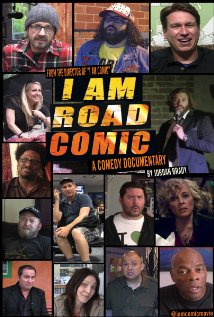
Several years ago, filmmaker Jordan Brady put out the documentary I Am Comic which illuminated the realities of being a stand-up comic.After being offered an out-of-state stand-up gig, he decided to make I Am Road Comic in order to document the costs of doing a road gig. He teamed up with his friend Wayne Federman and they traveled to the site. Interspersed throughout Federman and Brady’s experience on this stand-up gig are interviews with a variety of comics about life on the road. The success of I Am Comic allowed Brady a larger pool of comedians from which to cull interviews this time around. Since making I Am Comic, Brady’s met a lot more comics and could bring different voices and representation from the comedy world to the screen in I Am Road Comic.
I spoke with Jordan Brady by phone last week. We’ve been twitter friends for a while since I watched/discovered I Am Comic. We started the conversation by talking about interviews by phone vs. Skype. I said I was hesitant to interview a band on Skype because I didn’t want anyone to see me and the delight that Jordan is, he replied: “I’ve seen your avatar, you’re a pretty woman. Why don’t you show it off.” Very sweet.
Amy Steele: After doing I Am Comic what made you decide to do I Am Road Comic?
Jordan Brady: The success of I Am Comic led comedians that book shows—there’s this new trend that comedians often book their own nights at bars especially—they brand their own show. They mistakenly thought I was an active stand-up comedian because of I Am Comic. When I was asked to do a show. At first I said “no, no, no I’m a filmmaker now.” They said, “just come and do a set.” Finally I said yes. They booked me and I said I don’t have 45 minutes. I figured it would be a great documentary.

Amy Steele: So you were a stand-up a long time ago.
Jordan Brady: 20-something years ago I stopped but I’d started as a stand-up comic when I was 18 and did the road for 14 years. Colleges. Even though I knew this would be a good story of being on the road and I would take my good friend Wayne Federman with me, I knew it wouldn’t be the crux of the documentary. The meat of it would be the newer guys like TJ Miller, Marc Maron. The people that have rose to prominence in the last five years. People like Doug Benson and Marc Maron I’ve know for 30 years but TJ Miller, Maria Bamford, Jen Kirkman I met by going to clubs and they said they loved the movie. I Am Comic paved the way for these interviews in I Am Road Comic.
Amy Steele: What was your goal in making this? What’s the difference between I Am Road Comic and I Am Comic?
Jordan Brady: Economics was the difference. I was squeezing 80 comedians into 80 minutes. This time I wanted to approach it gorilla-style, as just me and a camera. Me on the road. I had to film it and also remember my comedy material.
With I Am Road Comic I wanted to specifically point out low-level road comedians and how you have to be so cost-effective. The only thing I knew was I was going to keep a tally of the expenses. For a gig you get a couple hundred bucks per show which is decent money for a bar gig. As soon as I had to buy a plane ticket I would only break even.
Amy Steele: How did you decide who to interview and how did you get people involved?
Jordan Brady: Less people because I realized if I had less people they’d get more screen time. I wanted to get more in-depth. There were a lot of old white guys in I Am Comic and I think the world has seen its share of old white comedians. I tried to get more females and I tried to get more minorities. A comic is a comic whether they’re a man, a woman, straight, gay, black, white, Puerto Rican. I don’t delve into that.
But I wanted younger hipper guys who are more relevant. Doug Benson and Marc Maron put out a couple of podcasts every week. I wanted to talk to comedians who were more personal in their material rather than jokey jokers. I wanted comedians that were honest in their material and their comedy was based on life experiences and based in reality. Some guys are road warriors like Alonzo Bodden. I think he works 45 weeks a year. Nikki Glaser is kind of a throw-back to the old-school road comics. There are only two guys who are famous for being comedians—Louis C.K.—but it took a television show to make him famous. Jerry Seinfeld played himself on Seinfeld. But until they had a scripted vehicle on television it’s hard to make it as a comedian.
It takes a series– and of late podcasts– to put people on the map. And radio is still big in the Midwest. If I had a thesis it was how relevant was the road to being a comedian today. The fact that Seth Milstein took a bus for 16 hours to perform his first road gig—and he wanted to be in a documentary—the answer was yes.
if you enjoy my interviews please consider donating so I can keep doing what I’m doing. Every dollar helps. Make a Donation button at right on my site.
Share this:

STEELE INTERVIEWS: author Laura Lane McNeal [Dollbaby]
Posted by Amy Steele in Books, Interview on September 11, 2014

Dollbaby by Laura Lane McNeal. Publisher: Pamela Dorman Books/Viking. Historical fiction. Hardcover. 337 pages.
“New Orleans was like that. A live-and-let-live attitude was ingrained into the fabric of the city; no one cared who you were or what you looked like—you had a place and everyone respected that.”
Laura Lane McNeal’s debut novel focuses on several generations of women looking out for one another and learning about each other in 1964 in New Orleans. Ibby grew up in Portland, Oregon. After her father dies in an accident, her mother drops her off at her grandmother Fannie’s grand old house in New Orleans. A bit of culture shock for this girl. Ibby expects her mother to return for her but it soon becomes clear her mother never planned to return for her daughter. Ibby settles in with Fannie and her black caretakers Queenie and Dollbaby. Queenie cooks and her daughter Dollbaby cleans and sews clothes for Fannie and many others. They also watch over Fannie as she’s prone to suffering breakdowns. Ibby’s never seen black people before moving in with her grandmother and she learns to adapt to this new, diverse environment as best she can. She comes to live with Fannie in 1964 as a wide-eyed twelve-year-old and by 1972 she’s seen and experienced enormous changes and grown into a smart, confident teenager.
“Ibby put her hand on the gate to Fannie’s house and wiped the sweet from her forehead. She remembered when her mother had dropped her off for the first time. The house had seemed so ominous and uninviting. It gave her a much different feeling now, like that of an old tattered blanket: it wasn’t much to look at, but it made you feel safe just the same.”
Fannie’s bottled up her past and every so often it bubbles over and causes her to need institutional tune-ups. Her long kept secrets slowly unfold among the walls of this old mansion with its locked rooms and mysterious history. Actively involved in civil rights protests along with her brother, Dollbaby envisions a brighter future for her daughter Birdelia. Ibby grows up under the care of these women. At first she’s unsure about her living situation but grows to care deeply for all these women and their unique perspectives on life’s challenges. Told from the perspectives of Dollbaby and Ibby—an insider and outsider point-of-view, it’s a wonderful, meticulously researched novel about creating your own family and support systems wherever you end up. McNeal includes details about eccentric and curious elements that make New Orleans such a vibrant, unusual city.
McNeal grew up in New Orleans where she received degrees in marketing and journalism. She ended up working in banking, later earned her MBA and worked in advertising and as a freelance writer. After Hurricane Katrina, McNeal decided to reinvent herself and focus on something she’d always wanted to do: writer fiction. For three months, eight hours a day while her son was at school she wrote the novel’s first draft. She work-shopped the novel at literary festivals with several editors. When her agent sent out the full novel to five or six publishing houses she received offers from all of them.
I recently spoke to Laura Lane McNeal from her home in New Orleans.
Amy Steele: I read that Hurricane Katrina inspired you to write a novel. How?
Laura Lane McNeal: I had gone to a small school in New Orleans that was very art oriented. They had this shelf of books of authors who’d gone to that school. I studied journalism but I always wanted to (write a book). Life got in the way. I got married, had kids. Katrina hit and the first time in our life we had mandatory evacuation. Someone called us and said your whole house is flooded, the whole city is flooded you can’t come back to the city. We drove up to North Carolina because my parents were there in a small town. We got an email from my kids’ school that schools were closed indefinitely and enroll in school wherever you are now. We stayed up there for five months.
My life had been ripped out from under me. My husband had to return to New Orleans because he’s a lawyer and was working with the oil companies. I didn’t know where he was half the time. I’m sitting in a foreign place watching the news of what’s going on down here. There’s talk of the rebuilding the city or that you can never go back. It was a strange feeling. I decided if I was going to start my life over I was going to do what I always wanted to do and that was writing fiction. I was going to write about New Orleans as my way of preserving the city basically. Once our house was redone, I started taking writing classes at Loyola. Everyone who lives in New Orleans knows it never changed. For hundreds of years. Well now everything had changed.

author Laura Lane McNeal
Amy Steele: Why did you want to write about the 60s in New Orleans?
Laura Lane McNeal: I decided to go back to the 60s which was a changing time in the United States to capture what was there. It was kind of my love song to the city. To put it down on paper for eternity.
Amy Steele: What kind of research did you do?
Laura Lane McNeal: I researched the novel for two years and I was taking writing workshops. I’d written another book, a political thriller, and that’s how I got my agent. I decided I better hurry up and write this novel.
Amy Steele: How did you get the idea for Dollbaby?
Laura Lane McNeal: I wanted to write a classic novel. Southern gothic. Gothic meaning that there’s some kind of eerie aspect to the story. I wanted to write in third-person I wanted to write a classic novel that wasn’t vampires or Dystopian that was based on human relationships. I went back and read a lot of classics from the 30s. It started out as a story with the old house and the cuckoo grandmother and secrets in locked rooms. I don’t know how I can up with the dolls. I think I had just read PD James’ book Children of Men where these women had dolls in baby carriages because they couldn’t have children of their own.
I just picked 1964 at random because I remember the 60s were a very turbulent time. LBJ was getting ready to sign the Civil rights act. It was Freedom Summer in Mississippi. There were sit-ins at the counters and there was a lot of tension. I decided it had to incorporate everything socially that was going on at the time. That’s when I decided I was going to write from two different perspectives. From Ibby’s perspective and from Dollbaby’s or it would’ve been one-sided if I hadn’t done that. I wanted to include the five women’s different views and that’s how I chose to write from two different views.
Amy Steele: The voices of Ibby and Dollbaby sound like who you imagine them to be. How did you develop their voices?
Laura Lane McNeal: When my editor bought this book she said ‘I hate the name Dollbaby. It sounds tawdry and it’s not marketable.’ But you come down here and go to the grocery store and it’s “here’s your change baby.” Whatcha doin’ doll? It’s normal everyday life. New Orleans is 70-80% black. It’s just a way of life. When my editor came down for a conference last September when she got off the airplane the first thing someone said to her was ‘welcome to New Orleans baby.’ There are lots of different accents down here. This has always been a port city. There’s so many different cultures here—what I call a gumbo culture. It’s just all mixed up and together. After Katrina everybody wanted to talk about what it was like growing up and I listened. When I was developing the characters I was trying to incorporate all those different voices.
Queenie is the status quo, not wanting things to change. Dollbaby and her brother are fighting for change. Birdelia is expecting change. Ibby is an outsider and not knowing what to make of it. Fannie you think she doesn’t know what’s going on but she does and she does what she can. And Ibby not knowing what was going on around her and learning about it along the way. That’s why I wanted to make the character that way. New Orleans is a live and let live city.
Amy Steele: It’s really women-focused. You have all these women taking care of each other with no men around. Queenie’s husband is around but not that much.
Laura Lane McNeal: You can find family where you least expect it. Really the heroine of the novel is Queenie because of everything she undertakes and goes through. She says “you always gotta dance even when there’s no music.” Even after Katrina everyone has their joie de vivre. The French settled here around 1722 and around 1750 instead of giving over this territory to Canada they did a secret treaty with Spain. The French didn’t even know they had taken over. When the Spanish came in they tried to put a ban on all the French. Said we’re outlawing dancing but the French were screw you we’re going to dance even if there isn’t any music. The point is you have to celebrate life no matter what comes your way.
Amy Steele: What do you hope people take away from the novel about New Orleans?
Laura Lane McNeal: A lot of times when people write about New Orleans it takes over the story. I tried to stay away from the clichés. I wanted to stay away from The French Quarter. The wanted me to write about the French Quarter so that’s why I wrote that scene where Fannie takes Ibby to get the perfume. New Orleans is basically a character in itself and I didn’t want it to overshadow the story. I wanted to tell a side of the city that people didn’t know. That’s why I had it set up that way.
if you enjoy my interviews, please consider making a contribution so I can keep going. Every dollar appreciated. Make a Donation button at right side of website.
purchase at Amazon: Dollbaby: A Novel


meet Laura at book reading/event:
Thursday, September 11 – 6:00 PM
San Francisco, CA
Liquake Benefit: Viva La France
Dolby Chadwick Gallery
210 Post St., Suite 205 San Francisco, CA 94108
Saturday September 13 – Noon
Baton Rouge, La
Barnes & Noble at LSU
100 Raphael Semmes, Baton Rouge, La
Tailgating Book Signing at Barnes & Noble LSU
Wednesday, September 17 – 7:00 PM
Houston, TX
Blue Willow Bookshop
14532 Memorial Drive
281/497-8675
Friday September 19 – 12:00-2:00 PM
New Orleans, LA
Tulane University Book Store
Talk and Signing
Wednesday, September 24 – 7:00 PM
New Orleans, LA
E. Cordes Book Club
Sunday, September 28 – 4:00-6:00 PM
New Orleans, LA
Pirates Alley Faulkner Society Juleps Party
Wednesday October 1 – 7:00 PM
Metairie, LA
Jefferson Parish Library
4747 West Napoleon, Metairie, LA
Talk and signing
(504) 889-8143
Thursday, October 9 – 7:00 PM
Sausalito, CA
Why There Are Words
Literary Reading Series
Saturday, October 18 – 10:00 AM-5:00 PM
New Orleans, LA
New Orleans Museum of Art Book Club Day in association with the Women’s National Book Association
1 Diboll Circle, New Orleans, LA (City Park)
Monday, October 20 – 7:00 PM
New Orleans, LA
Tricia Hall Book Club
Tuesday, October 21 – 6:00 PM
Destrehan, LA
St. Charles Parish Library in association with the Friends of the Library Author Program
Talk and Signing
Wednesday, October 22 – 7:00 PM
Portland, OR
Annie Bloom’s Books
7834 SW Capitol Hwy, Portland OR 97219
Thursday, October 23 – 11:00 AM
Metairie, LA
Metairie Literary Guild
Saturday, November 1 – 10:00 AM-5:00 PM
Baton Rouge, LA
Louisiana Book Festival
Wednesday, November 5 – Time TBD
New Orleans
Stewart Clan Book Club
Friday, November 14 – 7:00 PM
New Orleans, LA
Patron Party
New Orleans Book Festival
Saturday, November 15 – 10:00 AM-5:00 PM
New Orleans, LA
New Orleans Book Festival
City Park, New Orleans
Wednesday, November 19 – Noon
New Orleans, LA
Margo Phelps Book Club
Saturday November 22- Sunday November 23 – Time TBA
New Orleans, LA
Pirates Alley Faulkner Society
Words & Music Festival
Thursday, December 4 – 11:00 AM
New Orleans, LA
Le Petit Salon (Private)
Monday, December 8 – 1:15 PM
New Orleans, LA
Sally Suthon Book Club
Share this:

STEELE INTERVIEWS: singer/ songwriter Jadea Kelly
Posted by Amy Steele in Interview, Music on May 29, 2014

Clover is the new album from Canadian singer/songwriter Jadea Kelly. The album’s filled with achingly beautiful, sharply crafted alt-folk songs. Bittersweet. Haunting. Melancholy. Kelly has a mesmerizing, expressive voice.
I recently spoke to Jadea Kelly while she was on a train en route to visit her parents. We had to finish up by email due to a poor connection.
Amy Steele: How did you decide you wanted to be a singer? What attracted you to singing?
Jadea Kelly: My mother tells me I was singing before I was talking. For whatever reason, I’ve always found singing natural and incredibly therapeutic.

Amy Steele: You said that you took music lessons and singing lessons. How old were you when you started?
Jadea Kelly: I began with fiddle lessons and competitions at the age of 11 and took up guitar lessons at 15. Alongside high school vocal and instrumental class, I sang in a number of choirs and talent shows.
Amy Steele: What do you like about performing? What do you bring to music that differentiates you from others?
Jadea Kelly: Performing provides a beautiful escape for me. I enjoy the recording and writing process, but when I’m on stage I am my truest self. When I’m on stage I put myself back in the emotion, and sing from that vulnerable place. It gets the message across to the audience and engages them for longer. If anything, I suppose that differentiates me.
Amy Steele: Why did you want to be a singer/songwriter, write your own songs? Have you always liked to write and create?
Jadea Kelly: Singing and writing has always come naturally. I honestly don’t know if I would do anything other than this. I think it’s incredibly important to write and extend a creative work into the public. It touches everyone around you, and changes them. If anything, the job of the artist is to help others look within themselves.
Amy Steele: You majored in English in college and then worked in various aspects of the music industry. What was the club scene like and how did you build up a fan base as you were working a day job and writing songs to get an album together?
Jadea Kelly: At that time, I had four jobs! During the day I worked for a music publicity company, by night I worked as an usher at the Toronto symphony and during the AM I galloped around town from show to show on my bicycle. For the first time in my life, I was surrounded by other songwriters…all of whom taught me how to perform and are now my friends. Somehow, in the midst of all this, and 2 internships at record labels….I wrote and recorded my first record [Eastbound Platform].
Amy Steele: Were you living in Toronto? What is the music scene like up there?
Jadea Kelly: I have been living in Toronto for seven years now. Our music scene is busy, vibrant and filled with insanely undiscovered talent.
Amy Steele: What challenges have you faced as a women in the music business?
Jadea Kelly: Often times, as a female performer, your kindness is seen as a weakness. This happens in any business. I have learned to stay grounded, firm and work with like-minded individuals.
Amy Steele: Is blues a major influence and have there been other influences to you? [AS note: think I read that somewhere]
Jadea Kelly: I did work for a blues artist named Skaura S’Aida. She taught me a lot about confidence on stage – and in life. Very grateful for her lessons. Musically, my major influences would come from the country and folk spectrum. Huge fan of Patti Griffin, Emmy lou Harris and St Vincent [not as country and more experimental]
Amy Steele: This album Clover was inspired by time spent on your grandfather’s farm. What is the significance of that?
Jadea Kelly: When I was making that, my grandpa was retiring and my dad was taking over the farm. He’s been there four years now. Seeing my grandfather that happy was how happy I want to be. You don’t want to retire if you’re doing something you love. I wanted to remind people we’re only here for a short period of time and you should do something you love.
Amy Steele: What about “Lone Wolf?”
Jadea Kelly: I wrote that while I was on tour in Europe. Everything went wrong. It was an eye-opening experience. I was going through all these changes. I was feeling a bit bullied. I know a lot of female songwriters in this industry feel the same way. But you need to stand up for yourself and let your kindness take over.
Amy Steele: How about “You Had Me?”
Jadea Kelly: It’s a love song. They’re all such sad songs. It’s about a friend who suddenly passed away, a Portugese singer. And my partner who helped me through that time.
Amy Steele: Can you explain the impetus for the song “Clover?”
Jadea Kelly: “Clover” was named after my grandfather’s farm. When I began writing this, he was forcibly retiring from farming for health reasons. As my Dad returned to farming, to assist my Grandpa, I began to recognize the relationship between farming and working as a musician. Both professions require an immense amount of passion – and zero stability – zero guarantee of retirement and zero financial guarantees. Despite this, we both pursue it with open arms. And THAT is the message of “Clover.” To follow your passion, and live for it wholeheartedly.
Amy Steele: What inspires you?
Jadea Kelly: The songwriters around me in Toronto and around Canada.
Jadea will be performing at The Middle East Upstairs, Cambridge, Mass. on May 30.
purchase at Amazon: Clover

Share this:

PROFILE: singer/songwriter Kristen Ford
Posted by Amy Steele in Interview, Music on May 21, 2014
Boston-based singer/songwriter Kristen Ford has a plan. After Saturday’s show celebrating the release of her new album, Dinosaur, she’s packing up a van and heading out onto the road for an extensive and open-ended U.S. tour. Currently she plays an impressive 100 shows every year. She funded Dinosaurthrough a grant she received from Club Passim and money she raised via Kickstarter.
Completed in four days in what Ford described as a cohesive manner—“all in one studio, same group of people play guitar and sing at some time and give it live feel and keep it from being overproduced. Digital music can be too perfect.” Propelled by energetic guitar arrangements the power-punk-pop songs blend many elements. Folk, jazz, blues. Quite bold. It’s an organic, magnificently emotional and insightful collection of songs.

photo by Menelik Puryear
“I feel strong about a lot of things politically and socially. There are so many things I want to say. I try to sneak it in here and there.”
While she’ll be touring solo (her girlfriend will be traveling with her), Ford said she’d try to put together bands to perform in the cities that she’s able. “My passion is definitely playing in an ensemble with a band,” Ford told me when we spoke recently sitting outside at the Starbucks in Watertown.
Last fall she decided to take this leap and started applying to music festivals. She applied to 350 festivals and will be playing six including the National Women’s Music Festival in Wisconsin in August. She’ll spend July in the Midwest. She’ll travel to a dude ranch in Wyoming where she wrote a lot of the songs on this album. She worked at the ranch, entertained guests and received room and board. She’ll then swing to Utah and the Grand Canyon and to Texas.
Nothing can replace the connections and following an artist develops through extensive touring. In this digital world, social media plays an essential role in marketing and building a fan place these days. Like many musicians Ford’s built a presence on Facebook, twitter and Soundcloud. “Soundcloud is great. People are listening from all over the world. There are 300 million people in America—not everybody has to like my music but if a few people like my music and then we can connect on the internet, that’s great.”
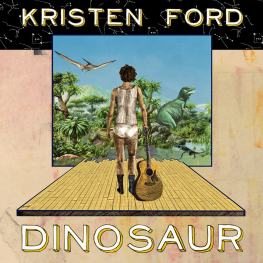
We discussed a few of the songs on Dinosaur
“Internet”
Ford: “It’s so distracting that bands are spending all their time promoting themselves.”
“Bulletproof”
Ford: “It’s about a bad decision and the fallout from that in relationships when you allow yourself to get exposed and it’s shocking how hurt you can get.”
“Sky is Falling”
Ford: “About the feeling that everything is fucked and you can’t buy your way out or drink your way out. In showbiz you have a lot of acquaintances, there’s constant chatter and no one gives a shit and no one listens. It’s loosely based on Less Than Zero. On the line ‘disappear here.’ It’s easy to disappear in plain sight. Keep it together on the outside and fall apart on the inside.”
“Pretty Little Mind”
Ford: “Sonically people really like this song. It feels epic after this recording. It’s about dealing with flaws but not bringing down the people around you. It’s about a one-night-stand and a DUI and wanting to protect someone from you.”
Kristen Ford performs at Middle East Club Upstairs Saturday, May 24 at 7 pm.
Share this:

STEELE INTERVIEWS: Gwen Florio [Dakota]
Posted by Amy Steele in Books, Interview on May 13, 2014
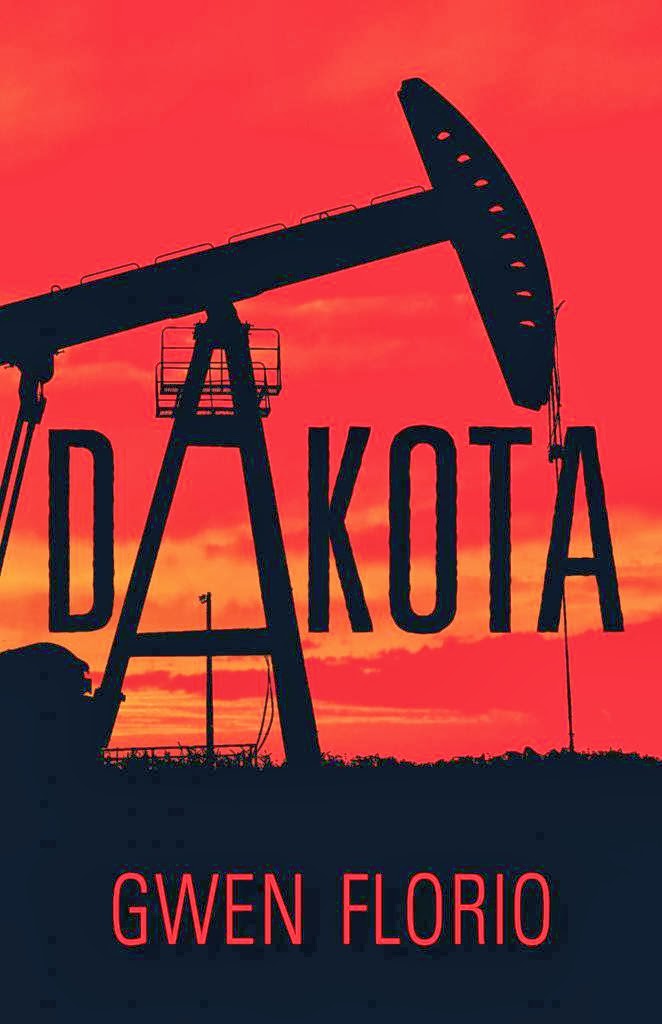
Former foreign correspondent Lola Wicks is back. The independent, outspoken, brassy reporter took a position at a small-time newspaper in Magpie, Montana. After being downsized from her job in Kabul, she left her post Baltimore to find some bliss with local sheriff Charlie [“When it came to Charlie, Lola considered herself a realist about the temporary nature of most relationships.”]. When a local Blackfeet girl, missing for months, is found dead with a strange brand on her forearm, Wicks uncovers a larger story connecting other missing girls from the reservation. Turns out she’s right but it might be more dangerous than she assumed as sex trafficking, drugs and the big money in the oil fields of North Dakota factor into the disappearance. Another thoughtful page-turner with magnificent sense of place and descriptive scenery by Gwen Florio.
Gwen and I spoke by phone recently.
Amy Steele: How did you make the jump from journalist to fiction writer?
Gwen Florio: I started writing seriously about 20 years ago. I was working for the Philadelphia Inquirer and there was a wonderful writing workshop in Philadelphia. I joined that and started working seriously on writing fiction. I read almost exclusively fiction. Joining this group gave me some guidance.
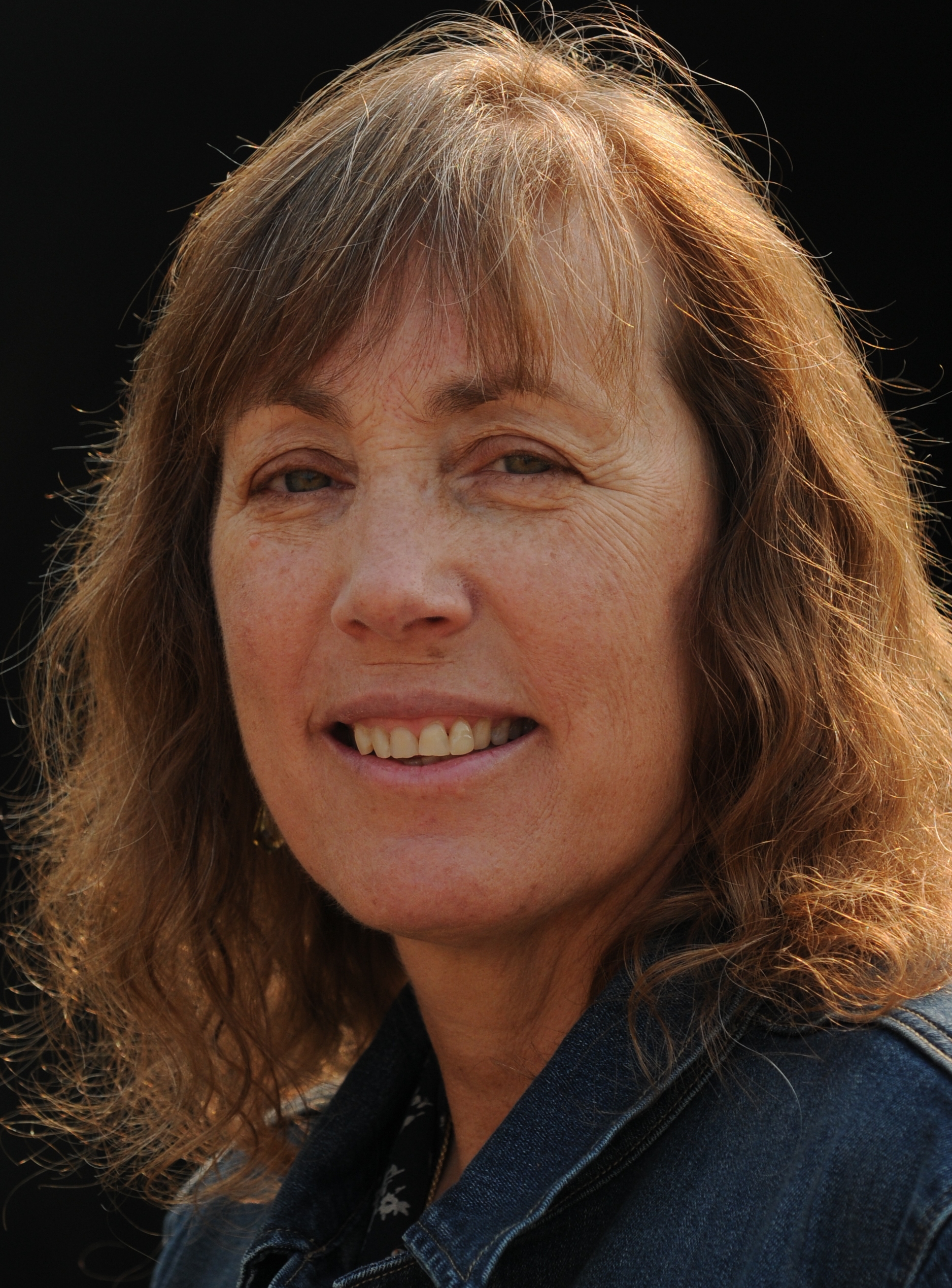
Amy Steele: What made you write the thrillers that you’ve done?
Gwen Florio: I did not set out to write thrillers. I read a lot of literary fiction and thought that’s what I would write. I wrote some previous novels and they could easily translate to thrillers. One of them was just dreadful and just shouldn’t see the light of day. The second one was better and that one got me an agent. She couldn’t sell it and she just said “write another book.” So I had something intact which was the prologue to Montana. I googled how to write mysteries and read a lot about the genre. I really stumbled into it. I’m really glad I did.
Amy Steele: It sounds like you had to do a lot of research and there’s a particular structure.
Gwen Florio: There is a particular structure and coming across that made it really familiar to me like writing a long newspaper series or big magazine piece. Those are all really structured to keep the reader plodding along. I kinda relaxed once I had those guidelines. I rearranged some of what I’d written. It took some of the fear factor out. I could relate it back to journalism in a way that felt familiar.
Amy Steele: How has your journalism career influenced your novel writing?
Gwen Florio: It demystifies writing. I don’t sit around and wait for inspiration. I’m so used to deadlines that I just sit down and write. That’s the great gift of journalism. Writing is a job. You really tune your ear into how people talk. You’re listening for great quotes. The rhythm in that quote or anything which gives you a sense of who they are. It really helps you with dialogue. I feel like I know how to write believable dialogue. It gets you to a lot of different places and different experiences. It exposes you to things. When I was reporting my newspaper stories there was all this great information that just didn’t belong in the stories that was just so interesting. So now I can put that in my books. It wasn’t wasted.
Amy Steele: There are lots of twists in Dakota. How do you keep track of characters and plot?
Gwen Florio: Badly. I’m working on one right now. I forgot some names and I put in some lines. You’d think I would make a timeline. I’m getting better at that. I tend to go back and forth and see what I’ve written before. I don’t outline. I kind of outline as I go along. I make a little summary of each chapter so I can check back before I go on.
Amy Steele: Where did you come up with the idea for Lola Wicks?
Gwen Florio: I made her a reporter for a couple reasons. It’s the old ‘write what you know.’ Reporters in general tend not to have very exciting lives but I could make hers exciting. Also I feel bad about what’s happening in journalism so writing about her being downsized and dealing with that was my own way of saying “screw you” to the industry and highlighting what’s happening in the industry.
Amy Steele: How would you describe Lola?
Gwen Florio: She’s a person who struggles with being her better self. She’s so impatient and so focused on getting the story. I like putting her in situations where she’s actually forced to stop and pay attention. She does not like to accept help. But she has to. You can’t be a lone wolf in some of these situations especially the one I put her in and I like watching her struggle. She reluctantly accepts Jan, the other reporter, and they have a good partnership. But she’d rather not do that. She’s kind of a pain in the ass but a likeable pain in the ass.
Amy Steele: What do you like about her?
Gwen Florio: I like that she will not be deterred. She’s going to find out what happened no matter what. She does have that capacity for friendship, though she would rather not, she does yield to that. She’s never going to be a softie but some of her hard edges are sanded down.
Amy Steele: You tackle several issues in Dakota: sex trafficking and transient workers. What interests you in writing about these topics?
Gwen Florio: You see an influx of men from all over the country. Louisiana. People who worked in oil jobs that dried up. Anywhere that the housing market went bust people come to North Dakota to work. There’s been a massive change to an impoverished rural area. Flooded with men who don’t have ties to the area and flooded with money. People who live there are making a ton of money but they’re kind of trapped too. Pretty little farm towns. Isolated. Huge trucks are going by all the time or men are living next to you and coming and going at all hours. If you’re a woman there I hear it’s horrendous because you’re constantly harassed because there are so few women. I read that every woman is either packing or carrying pepper spray. I’m fascinated by that kind of social upheaval.
Amy Steele: What’s the Native American population out there?
Gwen Florio:In Montana it’s 7%. They are our largest minority group. The reservations are really isolated. For them to get jobs on the oil fields is huge. That’s why I set it up like that. I’ve done a lot of reporting from the reservations. The problems they face are so intense.
Amy Steele: I drove cross-country in my early twenties after college and my friend and I stayed on an Indian reservation in Utah. Near Bryce canyon and Zion. We felt very white.
Gwen Florio: Montana is very white. I will go for days and days without seeing a black person and it just blows my mind. Not like Philadelphia. It’s good to get in a situation again where you’re in the minority.

purchase at Amazon: Dakota

Share this:

-
You are currently browsing the archives for the Interview category.
About Me

covering mostly music and books. focus on alternative/indie and women in music, literature and the arts. feminist. vegan. mostly alternative, a bit bohemian. Masters in journalism from Boston University. BA from Simmons College.



Entertainment Realm by Amy Steele is licensed under a Creative Commons Attribution-Noncommercial-No Derivative Works 3.0 United States License.
Based on a work at entertainmentrealm.comCopyright © 2009. All writing, unless otherwise noted, by Amy Steele.
 ENTERTAINMENT REALM
You must be logged in to post a comment.